TRENDING

Tuesday, 6 October 2026
----------------------
25 Rabi' Al-Thani 1448 AH
A severe heatwave is crippling Europe's rivers, threatening the continent's transport, energy, and ecosystems. As the drought deepens, the human cost will only escalate, affecting the livelihoods of millions. The Ground Narrative examines the power mechanics behind this crisis and what's being downplayed by European leaders.
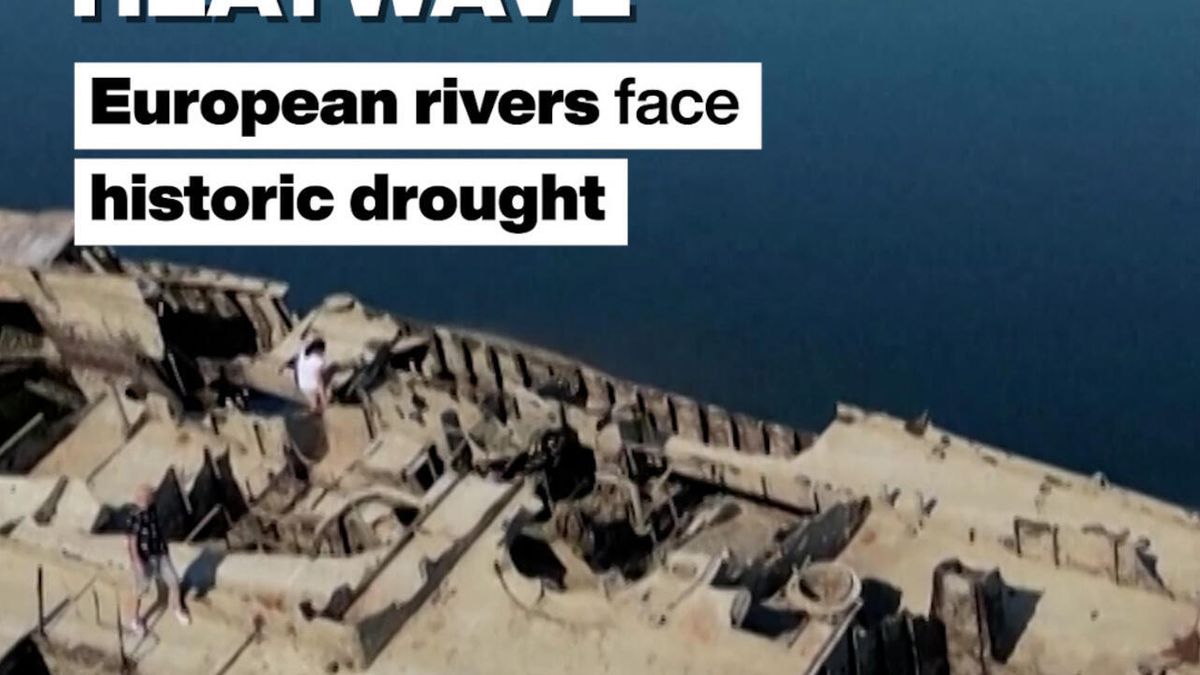
The unprecedented drought affecting Europe's rivers, from the Loire to the Danube, is not just an environmental issue but a stark reminder of the continent's vulnerability to climate change. Record temperatures have pushed water levels to historic lows, impacting river transport, energy production, and the delicate balance of ecosystems. The immediate consequences are far-reaching, from disrupted supply chains to potential food shortages, underscoring the intricate web of dependencies that define modern Europe.
At the heart of this crisis are the structural forces that have led to Europe's current predicament. Climate change, driven by decades of greenhouse gas emissions, has altered weather patterns, making extreme events like this heatwave more frequent and severe. The energy sector, heavily reliant on rivers for cooling and hydroelectric power, faces significant challenges, potentially leading to increased reliance on fossil fuels and exacerbating the climate crisis. Economic interests, particularly in the transport and agriculture sectors, are also at stake, as reduced river navigability and water scarcity threaten the livelihoods of millions.
The human cost of this drought is already being felt, from farmers struggling to irrigate their crops to communities facing water shortages. The impact on biodiversity is equally concerning, as ecosystems that depend on these rivers are pushed to the brink. The economic fallout will be widespread, affecting not just local economies but also having broader implications for European trade and stability. As the situation worsens, it's the most vulnerable populations that will bear the brunt, highlighting the need for immediate and effective action from European leaders.
What's being downplayed in the official discourse is the lack of preparedness and inadequate infrastructure to deal with such extreme weather events. Despite warnings from scientists and previous experiences, many European countries have not invested sufficiently in climate resilience measures, such as sustainable water management systems and green infrastructure. Furthermore, the political will to address the root causes of climate change, including a significant reduction in greenhouse gas emissions, remains insufficient. The focus on short-term economic gains over long-term sustainability has led to this crisis, and it's this very mindset that needs to change.
As Europe navigates this unprecedented drought, several factors will determine the trajectory of the crisis. Policy responses from European governments will be crucial, particularly in terms of emergency relief, investment in climate resilience, and commitment to reducing emissions. International cooperation will also play a key role, as the impacts of climate change know no borders. The ability of European societies to adapt and innovate in the face of this challenge will be a defining feature of the continent's future. As the situation evolves, it's essential to watch for signs of meaningful action, rather than just rhetoric, from European leaders and to hold them accountable for the well-being of their citizens and the planet.
Editor's Note: The analysis is based on current trends and available data. However, the exact outcomes of the drought and policy responses may vary as the situation develops.
Source referenced: FRANCE24
This brief was synthesized by our Editorial Engine and reviewed by The Ground Narrative team.