TRENDING

Monday, 5 October 2026
----------------------
24 Rabi' Al-Thani 1448 AH
A recent drone incident at Germany's Leipzig/Halle Airport has raised concerns about Europe's air defense capabilities, with many experts believing the drone was Russian and part of a larger hybrid warfare campaign. The incident has exposed weaknesses in Europe's defense systems and highlighted the need for a more effective response to drone threats.
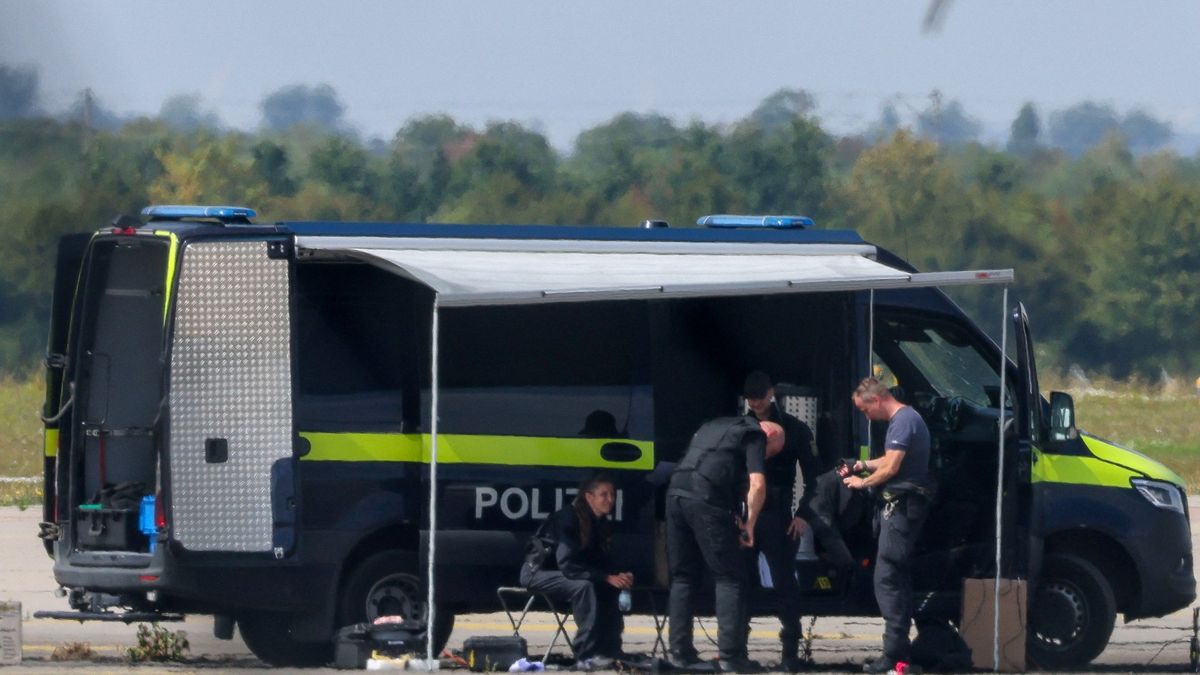
A quadcopter drone with plastic explosives attached to it flew past air defense installations at Germany's Leipzig/Halle Airport, a key NATO airlift hub, on August 4. The drone hit a Ukrainian cargo plane but failed to detonate, and was later found by a bus driver who stepped on it and called security. The incident has been described as a 'new level of danger' for Germany, with interior minister Alexander Dobrindt stating that the threats are not the work of amateurs, but rather require professional preparation and execution.
The drone incident is part of a larger hybrid warfare campaign designed by the Kremlin to test NATO's collective defensive resolve. Russian President Vladimir Putin has been using drones to unnerve European governments, sow panic among civilians, identify air defense vulnerabilities, and check the speed of their response. The campaign has been successful in exposing weaknesses in Europe's defense systems, with many experts believing that the systems are outdated by at least five years. The use of drones has also highlighted the gap between what European militaries can do and what their governments are prepared to authorize.
The drone incident has raised concerns about the safety of civilians and the potential for panic and disruption. The use of drones has already caused disruptions to logistical operations and has forced airports to halt operations. The human cost of the drone campaign is not just limited to the potential for physical harm, but also the psychological impact of living in a state of uncertainty and fear. The people who bear the human cost of this campaign are not just those directly affected by the drone incidents, but also the wider population who are affected by the disruption to daily life and the sense of insecurity that comes with it.
What is being downplayed by European governments is the extent to which their defense systems are outdated and ineffective against drone threats. The use of drones has exposed weaknesses in Europe's air defense capabilities, and the response to the drone incidents has been criticized as too slow and cautious. The fact that no NATO member state or European nation has swarms of drone interceptors at hand is a significant concern, and the lack of preparedness for a war is a major issue. The Kremlin's campaign has also exposed political fractures within NATO and has exploited the gap between what European militaries can do and what their governments are prepared to authorize.
Readers should watch for further drone incidents in Europe, as well as the response of European governments to these incidents. The development of more effective defense systems against drone threats will be crucial in preventing similar incidents in the future. The use of drones in hybrid warfare campaigns is likely to continue, and the ability of European governments to respond effectively will be a major test of their resolve and capabilities. The next few months will be critical in determining the trajectory of this campaign and the impact it will have on European security.
Editor's Note: The analysis is based on publicly available information and expert opinions, but the exact details of the drone incident and the response of European governments may not be fully known.
Source referenced: ALJAZEERA
This brief was synthesized by our Editorial Engine and reviewed by The Ground Narrative team.


