TRENDING

Saturday, 24 October 2026
----------------------
13 Jumada Al-Awwal 1448 AH
The European Union proposes a new sanctions package targeting Russian military personnel and the country's economy, including a ban on entry for those who have served in the Russian Armed Forces since the invasion of Ukraine.
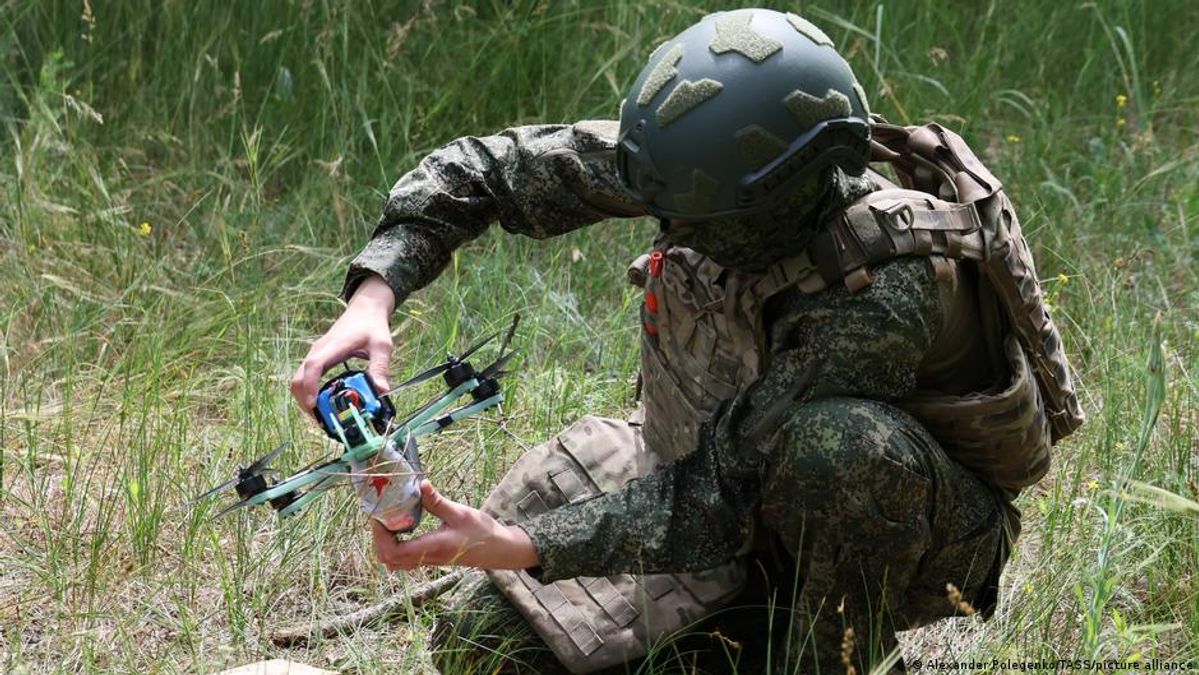
The European Union has proposed a new sanctions package aimed at further isolating Russia and its military personnel in response to the ongoing invasion of Ukraine. The package, which still requires approval from EU member states, includes a ban on entry for Russian military personnel who have served in the Russian Armed Forces since the beginning of the war in February 2022.
This move is a significant escalation of the EU's efforts to pressure Russia and its military leaders. The ban would apply to anyone who has served in the Russian Armed Forces since the invasion, effectively denying them entry into the EU. This measure is designed to further isolate Russia and its military leaders, making it more difficult for them to travel and conduct business within the EU.
The sanctions package also targets Russia's financial, energy, and fishery sectors. The EU plans to keep the current price cap on Russian oil fixed until January next year, despite recent increases in oil prices caused by the conflict in Iran and the wider Gulf region. The cap, which currently forbids purchases for prices above $44.10 per barrel, would rise along with global prices without this adjustment.
The EU is also targeting an additional 31 Russian banks and adding a further 30 ships to the 632 already listed as part of the Russian "shadow fleet." This move is designed to further restrict Russia's access to international finance and trade.
The EU's sanctions package has significant regional implications. The Nordic and Baltic states, which have been strong supporters of Ukraine, are likely to welcome the EU's efforts to further isolate Russia. The visit of Ukrainian President Volodymyr Zelenskyy to the Nordic-Baltic Eight (NB8) summit in Tallinn, Estonia, is a testament to the region's commitment to supporting Ukraine.
The EU's sanctions package also has implications for the global economy. The price cap on Russian oil and the restrictions on Russian banks and trade are likely to have a significant impact on global energy markets and trade flows.
The future consequences of the EU's sanctions package are uncertain. Russia has shown a willingness to adapt to sanctions and has developed strategies to circumvent them. However, the EU's efforts to further isolate Russia and its military leaders are likely to have a significant impact on the country's economy and military capabilities.
The ban on entry for Russian military personnel who have served in the Russian Armed Forces since the invasion is a significant escalation of the EU's efforts to pressure Russia. This move is likely to have a significant impact on Russia's ability to conduct business and travel within the EU.
Editor's Note: The future consequences of the EU's sanctions package are uncertain, and Russia has shown a willingness to adapt to sanctions and develop strategies to circumvent them.
Source referenced: DW
This brief was synthesized by our Editorial Engine and reviewed by The Ground Narrative team.