TRENDING

Monday, 5 October 2026
----------------------
24 Rabi' Al-Thani 1448 AH
The EU proposes more border support for Morocco after 50,000 migrants crossed into Spain's Ceuta enclave, revealing Europe's increasing reliance on external partners to manage migration flows. This strategy, while aimed at curbing arrivals, hands significant political leverage to transit countries like Morocco, with migrants caught in the middle.
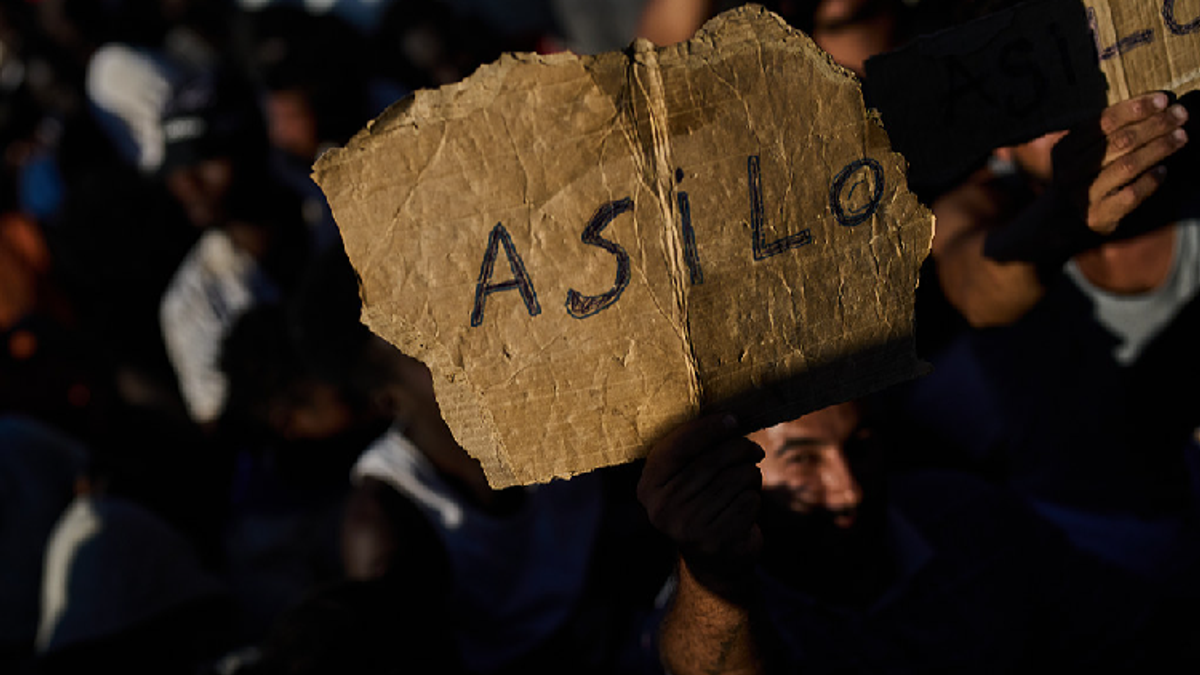
European Commission President Ursula von der Leyen recently proposed increased EU border support for Morocco. This announcement followed a significant event where approximately 50,000 migrants crossed from Morocco into the Spanish enclave of Ceuta within a week. The incident, occurring at one of the EU's two land borders with Africa, prompted alarm across the continent and highlighted the fragility of Europe's external migration controls.
This incident is a stark illustration of Europe's evolving migration strategy, which increasingly relies on externalizing border control. Since the 2015-16 migration crisis, the EU has faced immense internal political pressure, fueling the rise of anti-immigration and far-right parties. To mitigate this, the EU has shifted from a primary focus on internal solidarity and asylum processing to a policy of deterrence and outsourcing. Morocco, strategically positioned as a gateway to Europe, has become a critical partner in this new paradigm. The EU offers financial aid, technical support, and political concessions in exchange for Morocco's cooperation in stemming migration flows. This creates a transactional relationship where Morocco gains significant leverage. By periodically relaxing border controls, or appearing to do so, Rabat can signal its discontent or demand further concessions, knowing that a surge of migrants at the EU's borders triggers immediate political anxieties in European capitals. The recent Ceuta influx, whether orchestrated or simply allowed to happen, served as a powerful demonstration of this leverage, effectively forcing the EU's hand to offer more support. The EU's new Migration Pact, intended to create common rules and solidarity, appears to be struggling on its first major test, revealing the continued reliance on bilateral deals with transit countries rather than a unified European approach.
The most immediate and profound human cost falls upon the migrants themselves. Driven by desperation, conflict, or economic hardship, they embark on perilous journeys, often falling prey to human trafficking networks. The promise of a better life in Europe, amplified by social media misinformation, often culminates in a harsh reality: detention, forced return, or living in precarious conditions. In the Ceuta incident, many found no food or welcome and were quickly returned to Moroccan soil, their hopes dashed. Beyond the immediate crisis, the broader strategy of externalized border control traps countless individuals in transit countries. These individuals often live in legal limbo, vulnerable to exploitation, lacking basic rights, and unable to move forward or backward safely. Their journeys are not just about crossing a border, but about navigating a complex web of national interests, political maneuvering, and security agendas that prioritize state control over individual dignity. The communities in transit zones, particularly in Morocco, also bear a significant burden, often struggling with limited resources to accommodate large transient populations, leading to social tensions and humanitarian challenges.
What is consistently downplayed by both EU and Moroccan officials is the inherent instability and ethical compromise of this externalization strategy. While presented as a pragmatic solution to "illegal migration," it effectively transforms transit countries into Europe's de facto border guards, often with little oversight regarding human rights. The EU frames its support to Morocco as "combating migrant smuggling and illegal migration," but it implicitly acknowledges that Morocco's cooperation is not guaranteed and often comes with a political price. The underlying truth is that Europe's reliance on countries like Morocco creates a dependency that can be weaponized. When Morocco cites "misinformation on social media" or "human trafficking networks" as causes for surges, it deflects from the potential for its own strategic use of migration flows as a diplomatic tool. Furthermore, the long-term implications for democratic values within the EU itself are rarely discussed. The constant pressure to "secure borders" and the fear of uncontrolled migration empower populist and far-right narratives, eroding public trust in established political institutions and diverting attention from the root causes of migration, such as climate change, conflict, and economic inequality.
Watch for how the EU's new Migration Pact is truly implemented and if it can foster genuine "solidarity" among member states, or if it will continue to be overshadowed by ad-hoc bilateral agreements. Pay close attention to the nature and conditions of the "enhanced technical and financial support" offered to Morocco; this will reveal the extent of the political concessions Europe is willing to make. Any future surges at the Ceuta or Melilla borders will indicate Morocco's continued willingness to exert leverage, or a failure of the enhanced controls. Finally, observe the internal political landscape within the EU: continued migration pressures, even if externally managed, will likely continue to fuel anti-immigration sentiment and shape upcoming elections, further entrenching the current deterrence-focused policies.
Source referenced: CGTN
This brief was synthesized by our Editorial Engine and reviewed by The Ground Narrative team.


