TRENDING

Monday, 5 October 2026
----------------------
24 Rabi' Al-Thani 1448 AH
The unprecedented influx of migrants into the Spanish enclave of Ceuta has reignited immigration divisions in Europe, with Spain calling for a meeting of EU interior ministers to address the crisis. As the EU tightens its immigration legislation, the human cost of the crisis is becoming increasingly evident.
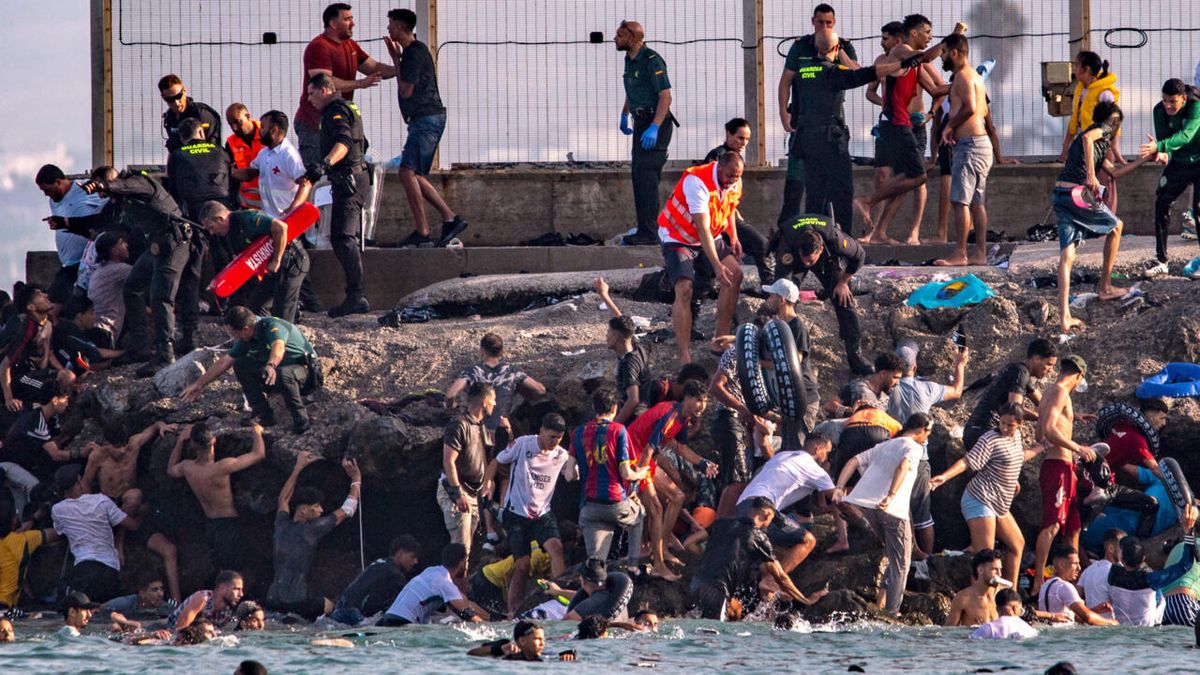
Last week, an unprecedented influx of 60,000 migrants crossed from Morocco into the Spanish enclave of Ceuta, creating tensions between Spain and its European partners. The crisis has led to a meeting of EU interior ministers, with some member states calling for Spain to be suspended from the Schengen Area.
The crisis in Ceuta has exposed the deep divisions within the EU on immigration policy. While some member states, such as Italy and Denmark, are calling for stricter measures to control migration, others, like Spain, are advocating for a more cooperative approach with countries like Morocco. The EU's New Pact on Migration and Asylum, which allows member states to send rejected asylum seekers to centers outside the EU's borders, has been criticized for being too restrictive.
The human cost of the crisis is significant, with at least 72 migrants reported to have lost their lives attempting to cross the border. The Moroccan Association for Human Rights has reported nearly 130 victims, with dozens more missing. The crisis has also had a significant impact on the local community, with many residents of Ceuta feeling overwhelmed by the influx of migrants.
What is being downplayed in the official statements is the role of social media in facilitating the migration crisis. The Moroccan government has blamed 'misleading information' on social media for the rush of migrants to Ceuta. Additionally, the EU's externalization of migration policy, which involves outsourcing border control to countries like Morocco, has been criticized for being ineffective and inhumane.
As the EU interior ministers meet to discuss the crisis, readers should watch for the outcome of the meeting and how it will impact the EU's migration policy. Will the EU adopt a more cooperative approach with countries like Morocco, or will it opt for stricter measures to control migration? The crisis in Ceuta has exposed the deep divisions within the EU on immigration policy, and it remains to be seen how the EU will address the crisis in the coming weeks and months.
Editor's Note: The analysis is based on publicly available information and may not reflect the full complexity of the crisis.
Source referenced: FRANCE24
This brief was synthesized by our Editorial Engine and reviewed by The Ground Narrative team.


