TRENDING

Monday, 5 October 2026
----------------------
24 Rabi' Al-Thani 1448 AH
Five EU states plan to open an “open‑air” deportation centre in Africa by late 2027, shifting the burden of rejected asylum cases onto a third‑country site. The move reshapes EU migration control while leaving migrants caught between distant politics and local hardships.
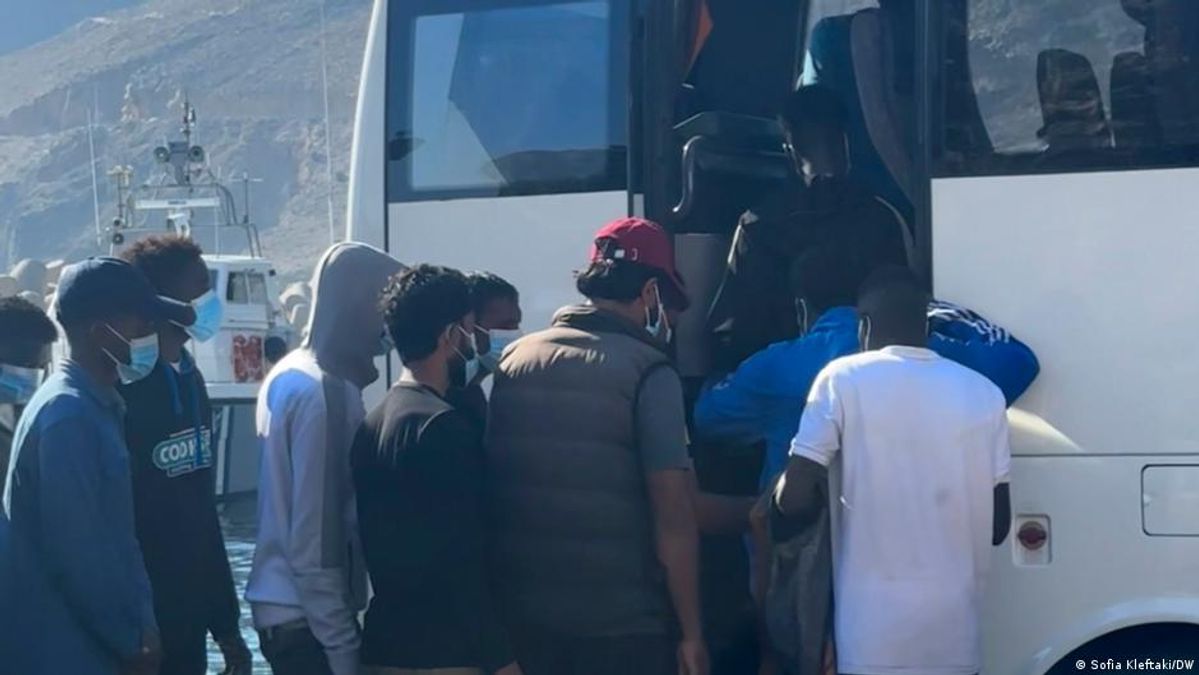
In a joint declaration, Greece, Germany, Austria, Denmark and the Netherlands announced that they will finance and operate the EU’s first "return hub" on African soil, slated to start in the second half of 2027. The host nation remains undisclosed, though media speculation points to Rwanda or Uganda. The hub will house migrants whose asylum claims have been rejected, serving as a transit point before they are sent back to their countries of origin. EU officials stress that the facilities will be "open" rather than sealed detention centres, and that responsibility for the detainees will stay with the five member states, not the African partner.
The initiative rests on three converging forces. First, the revised EU Return Regulation, adopted politically in June 2026, converts previous directives into a binding regulation, allowing transfers to "safe" third countries without a personal link. This legal shift removes a major judicial hurdle that previously blocked similar schemes. Second, domestic politics in the participating states drive the project: Greece, holding the EU Council Presidency in 2027, seeks to showcase a hard‑line migration solution that appeases right‑wing constituencies while deflecting pressure on its own borders. Germany and Denmark, both facing growing anti‑immigration sentiment, aim to demonstrate decisive action without bearing the full cost of on‑shore detention. Third, the financial calculus: by pooling resources, the five states avoid the massive per‑person costs of prolonged detention in Europe, while outsourcing logistics to a lower‑cost environment. The arrangement also limits legal exposure; by retaining formal responsibility, the EU sidesteps potential claims against the host nation for human‑rights violations.
The primary victims are the migrants themselves—often individuals who arrived via perilous sea routes to Greece, hoping for protection. Once their claims are denied, they face an uncertain limbo in a foreign land, far from legal counsel, family networks, or familiar support structures. Local communities in the host country may also feel the strain: the influx of a transient population can pressure already limited health services, water supplies, and employment opportunities, especially in regions with fragile economies. Moreover, NGOs and civil‑society groups in Europe lose a direct oversight channel; monitoring a distant hub complicates the provision of legal aid and medical care, increasing the risk of neglect or abuse.
Official statements emphasize "open" facilities and UN monitoring, yet they downplay the practical challenges of oversight. International bodies like UNHCR and IOM have limited mandates and resources, making real‑time inspection difficult. The legal fiction that the EU retains responsibility does not automatically translate into enforceable standards on the ground. Additionally, the secrecy around the host nation obscures the geopolitical bargain being struck—countries like Rwanda or Uganda may receive financial incentives, infrastructure investment, or political leverage in exchange for hosting the hub, benefits that are rarely disclosed to the public. Finally, the plan sidesteps the broader root causes of migration, such as conflict, climate stress, and economic disparity, framing the issue solely as a logistical problem to be outsourced.
Watch for the formal adoption of the EU Return Regulation by the Council; its entry into force will lock the legal framework in place. The identity of the host country will soon emerge, likely accompanied by a bilateral agreement outlining financial terms and security arrangements. Legal challenges are expected from European courts and human‑rights NGOs, especially concerning the definition of "safe" third countries. Finally, the upcoming Greek EU Council Presidency will be a litmus test: if the hub launches on schedule, it could set a precedent for other member states to follow, potentially expanding the network of overseas return centres across Africa or elsewhere.
Source referenced: DW
This brief was synthesized by our Editorial Engine and reviewed by The Ground Narrative team.


