TRENDING

Thursday, 22 October 2026
----------------------
11 Jumada Al-Awwal 1448 AH
The European Union has adopted its 21st sanctions package against Russia, focusing on its banking sector and freezing the oil price cap to limit war funding. This move underscores the EU's sustained economic pressure while navigating internal compromises on energy transit.
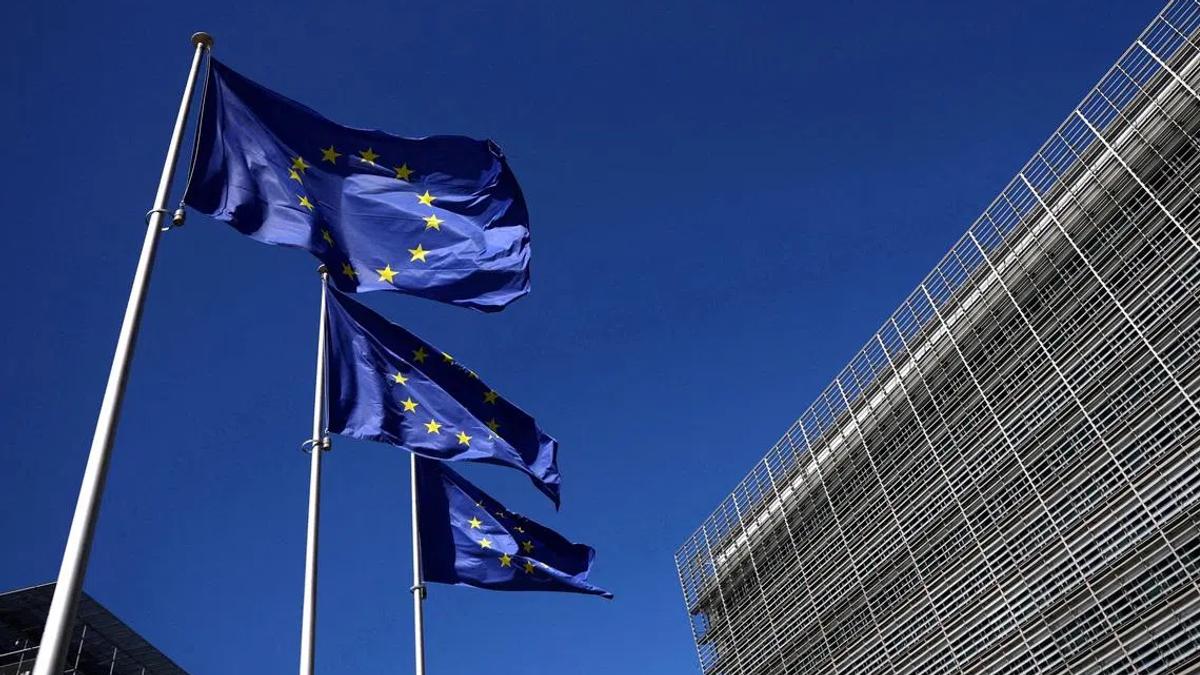
On July 23, 2026, European Union envoys in Brussels reached an agreement on the 21st package of sanctions against Russia, marking a continued effort to debilitate Moscow's financial capacity amidst the ongoing conflict in Ukraine. This latest round of measures, requiring unanimous consent from all member states, primarily targets Russia's banking sector and introduces a freeze on the oil price cap, while also incorporating a significant compromise regarding liquefied natural gas (LNG) transit.
The core of the new sanctions package is its direct assault on Russia's financial infrastructure. It designates 94 Russian financial institutions, predominantly banks, alongside the Moscow Stock Exchange. Once formally adopted, these entities will face the full spectrum of EU sanctions, including asset freezes, travel bans, and transaction prohibitions. This move is designed to further isolate Russia from the global financial system, making it more challenging for the Kremlin to fund its military operations and sustain its economy. The EU views this as a critical juncture, aiming to exploit what it perceives as vulnerabilities in the Russian economy.
Beyond traditional banking, the package also broadens its scope to address evolving methods of sanctions circumvention. For the first time, it targets vessels implicated in facilitating Russia's 'shadow fleet'—a clandestine network used to transport oil and other goods outside conventional shipping channels. Additionally, restrictions are being expanded to include more cryptocurrency platforms and oil trading companies, signaling a more sophisticated approach by the EU to close loopholes and prevent Russia from leveraging alternative financial avenues.
A pivotal element of the 21st package is the 12-month freeze on the Russian oil price cap at $44.10 per barrel. This decision is particularly significant given the geopolitical landscape. European Commission President Ursula von der Leyen explicitly stated that this measure aims to prevent the Russian war machine from benefiting from market shocks. The article notes that a scheduled review would have increased the price cap, potentially providing substantially higher earnings to Moscow, especially in the context of a hypothetical 'Iran war' that could drive up global oil prices. By freezing the cap, the EU seeks to insulate its sanctions regime from external geopolitical events that might otherwise inadvertently bolster Russia's revenues.
However, the package also highlights the complex interplay of collective EU strategy and individual member state interests, particularly concerning energy. A notable compromise was reached with Greece, granting a one-year exemption, with automatic renewal, that allows EU companies to transfer Russian LNG to third countries. While EU imports of Russian LNG will still be banned from January 1, this transit exemption addresses concerns raised by Athens, which argued that a full ban on transfer services would merely shift market share away from Europe without impacting Russian revenues. Given Greece's dominant position in Europe's LNG carrier market, this concession was crucial for securing the unanimous agreement required for the sanctions' adoption, underscoring the delicate balance between maintaining EU unity and accommodating national economic priorities.
The 21st sanctions package underscores the EU's enduring commitment to its strategy of economic attrition against Russia. By targeting key financial institutions, tightening the oil price cap, and addressing evasion tactics like the shadow fleet and crypto transactions, the EU aims to progressively diminish Russia's capacity to wage war. The inclusion of the LNG transit exemption, while a pragmatic compromise, also illustrates the inherent challenges in implementing comprehensive sanctions across a diverse bloc of nations, each with its own economic dependencies and strategic interests.
This latest package reflects an adaptive sanctions policy, continuously evolving to counter Russia's efforts to circumvent restrictions and to respond to broader geopolitical shifts, such as potential future conflicts impacting global energy markets. The EU's sustained pressure, now in its 21st iteration, signals a long-term commitment to leveraging economic tools as a primary instrument of foreign policy, with significant implications for global trade, energy security, and the future trajectory of international relations between major powers. The effectiveness of these measures will depend not only on their implementation but also on the EU's continued unity and its ability to anticipate and counter Russia's adaptive strategies. Technical work on the package is now being concluded, with a formal adoption procedure expected shortly.
Source referenced: STRAITSTIMES
This brief was synthesized by our Editorial Engine and reviewed by The Ground Narrative team.


