TRENDING

Wednesday, 21 October 2026
----------------------
10 Jumada Al-Awwal 1448 AH
US President Donald Trump warns Iran that the US is 'not finished' attacking, as Tehran widens strikes on Gulf states and Houthi allies threaten to blockade Saudi ports.
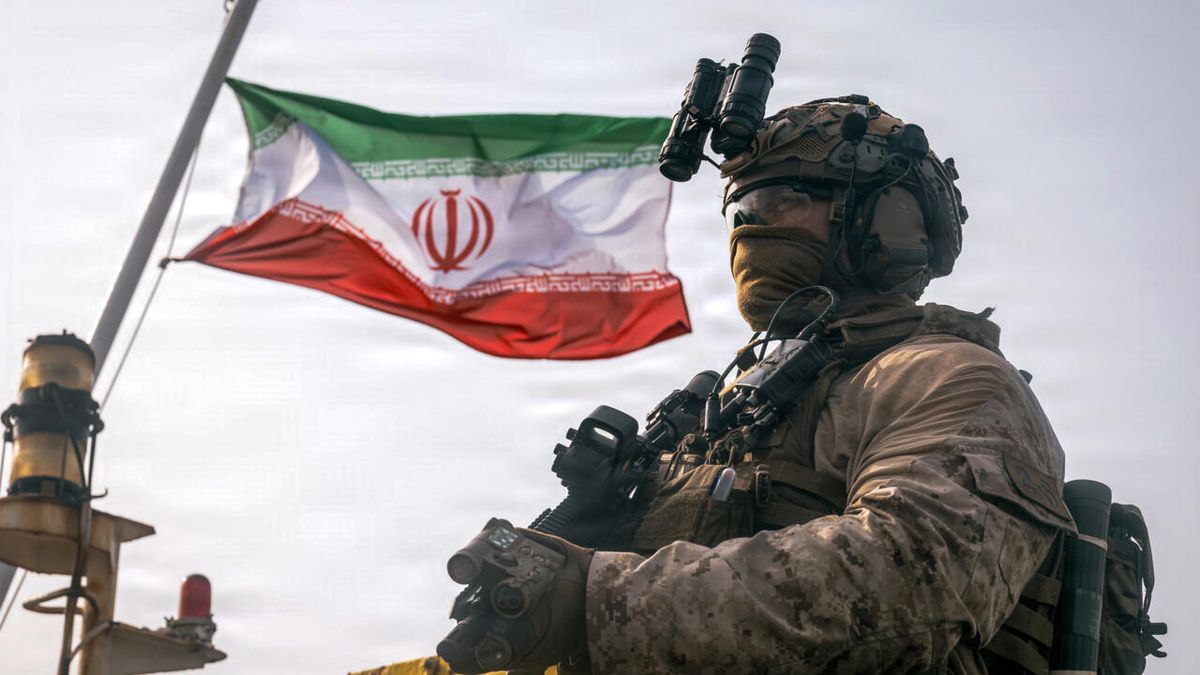
The ongoing conflict between the United States and Iran has taken a significant turn, with US President Donald Trump warning that the US is 'not finished' attacking Iran. This warning comes as Tehran widens its strikes on Gulf states, including Jordan, Kuwait, and Bahrain, and its Houthi allies threaten to blockade Saudi ports.
The conflict between the US and Iran has been ongoing for decades, with the two nations engaging in a series of proxy wars and diplomatic efforts. The current escalation began in late February, when the US and Israel launched airstrikes against Iranian targets in Syria. Since then, the conflict has spread to other parts of the Middle East, including Yemen and the Gulf states.
The US has several strategic motivations for its actions in the Middle East. One key goal is to prevent Iran from developing a nuclear capability, which the US sees as a threat to regional and global security. The US has also been seeking to counter Iranian influence in the region, particularly in countries such as Lebanon and Syria.
Iran, on the other hand, has its own set of strategic motivations. The country has been seeking to expand its influence in the region, particularly through its allies in the Houthi movement in Yemen. Iran has also been seeking to counter US influence in the region, particularly in countries such as Saudi Arabia and the United Arab Emirates.
The ongoing conflict in the Middle East has significant regional implications. The conflict has already led to a significant increase in military casualties, with at least 17 US service members killed and nearly 100 wounded since the conflict resumed in July. The conflict has also led to a significant increase in economic costs, with the US Defense Secretary estimating that the war has cost the US $37.5 billion so far.
The conflict has also had significant implications for regional stability. The Houthi threat to blockade Saudi ports has the potential to disrupt global oil supplies, which could have significant economic consequences. The conflict has also led to a significant increase in tensions between Iran and its regional rivals, including Saudi Arabia and the UAE.
The ongoing conflict in the Middle East has significant future consequences. The conflict has the potential to escalate further, particularly if the US and Iran are unable to reach a diplomatic solution. The conflict has also the potential to have significant regional and global implications, particularly if it leads to a significant increase in military casualties and economic costs.
Despite the ongoing conflict, diplomatic efforts are ongoing. The US and Iran have been engaging in diplomatic talks through mediators, including Pakistan's Prime Minister Shehbaz Sharif. The talks have focused on finding a solution to the conflict, including a possible ceasefire and a reduction in military tensions.
The ongoing conflict in the Middle East has significant implications for regional and global stability. The conflict has already led to a significant increase in military casualties and economic costs, and has the potential to escalate further. The conflict has also had significant implications for regional stability, particularly in countries such as Saudi Arabia and the UAE. Diplomatic efforts are ongoing, but a solution to the conflict remains elusive.
Editor's Note: The analysis is based on publicly available information and may not reflect the full range of strategic motivations and implications of the conflict.
Source referenced: FRANCE24
This brief was synthesized by our Editorial Engine and reviewed by The Ground Narrative team.