TRENDING

Thursday, 15 October 2026
----------------------
4 Jumada Al-Awwal 1448 AH
Israeli Prime Minister Benjamin Netanyahu's order to attack Hezbollah-controlled targets in Beirut's southern suburbs marks a significant escalation in the Lebanon conflict, complicating US-Iran diplomatic efforts and raising regional tensions.
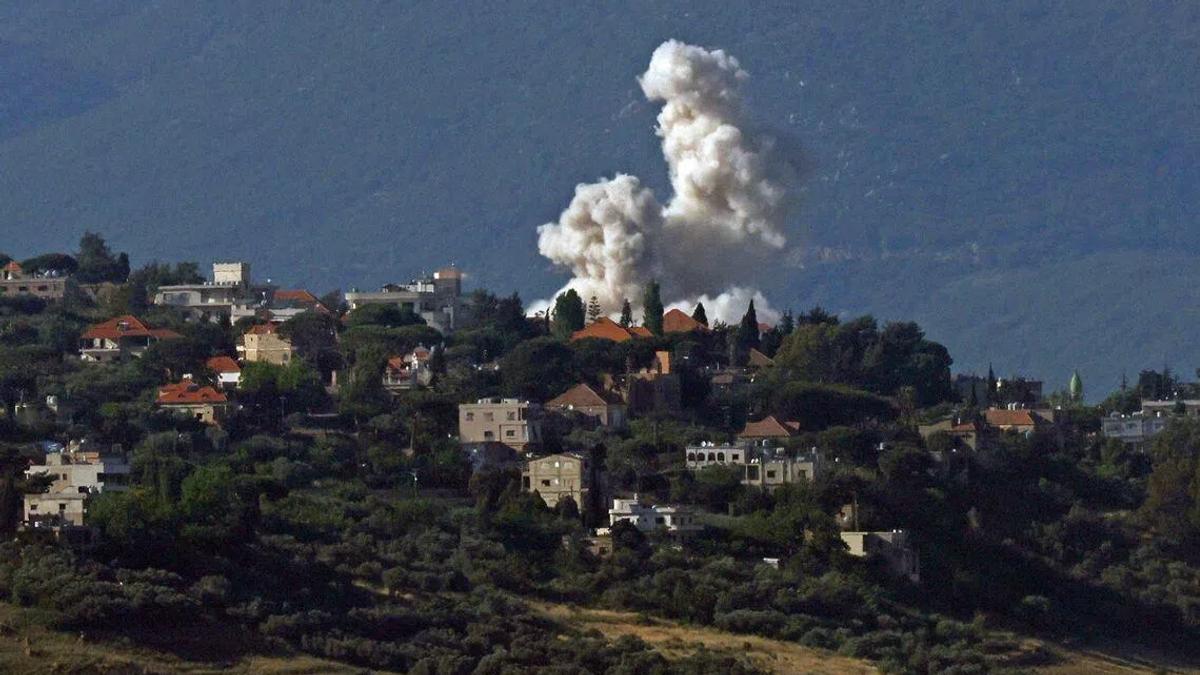
The recent order by Israeli Prime Minister Benjamin Netanyahu to attack Hezbollah-controlled targets in Beirut's southern suburbs marks a significant escalation in the Lebanon conflict. This development has far-reaching implications for regional stability, the ongoing US-Iran conflict, and the prospects for a diplomatic resolution.
The Lebanon conflict is a spillover of the US-Israeli conflict with Iran, which has been ongoing since March 2. The conflict has resulted in the deaths of over 3,370 people in Lebanon and 24 Israeli soldiers and four civilians. The conflict has also forced over 1 million people to flee their homes.
Netanyahu's order to attack Hezbollah-controlled targets in Beirut's southern suburbs is a response to the group's repeated violations of a ceasefire and attacks against Israeli cities and citizens. The Israeli government has carved out a self-declared security zone in southern Lebanon, where it has been razing villages to shield northern Israel from Hezbollah militants embedded in civilian areas.
The escalation of the conflict in Lebanon has significant regional implications. The conflict has complicated US-Iran diplomatic efforts, with Iran's foreign ministry spokesperson, Esmaeil Baghaei, stating that Israeli attacks in Lebanon were among the factors causing a delay to the diplomatic process. The conflict has also raised tensions between Israel and Hezbollah, with the latter accusing Israel of ceasefire violations and declaring the right to resist Israeli occupation.
The future consequences of the escalation of the conflict in Lebanon are uncertain. However, it is likely that the conflict will continue to destabilize the region, with potential spillover effects on neighboring countries. The conflict may also impact the prospects for a diplomatic resolution to the US-Iran conflict, with the US-led diplomatic track facing significant challenges.
The US has hosted a series of rare meetings between representatives of the governments of Israel and Lebanon since the hostilities erupted. However, a Lebanese source familiar with the diplomacy between Beirut and Washington said Netanyahu's announcement reflected the deterioration of the US-led diplomatic track in recent days. A US official said that Secretary of State Marco Rubio spoke with both Lebanese President Joseph Aoun and Israeli Prime Minister Benjamin Netanyahu on the diplomatic negotiations between Israel and Lebanon and proposed a plan to allow for gradual de-escalation.
The escalation of the conflict in Lebanon marks a significant turning point in the region. The conflict has far-reaching implications for regional stability, the ongoing US-Iran conflict, and the prospects for a diplomatic resolution. The future consequences of the conflict are uncertain, but it is likely that the conflict will continue to destabilize the region, with potential spillover effects on neighboring countries.
Editor's Note: The analysis is based on publicly available information and may not reflect the full complexity of the situation.
Source referenced: STRAITSTIMES
This brief was synthesized by our Editorial Engine and reviewed by The Ground Narrative team.


