TRENDING

Monday, 5 October 2026
----------------------
24 Rabi' Al-Thani 1448 AH
The England-Mexico World Cup match may be moved to an earlier time due to a risk of storms and flooding near Mexico City's Azteca stadium, highlighting the challenges of hosting a global event in a region prone to extreme weather.
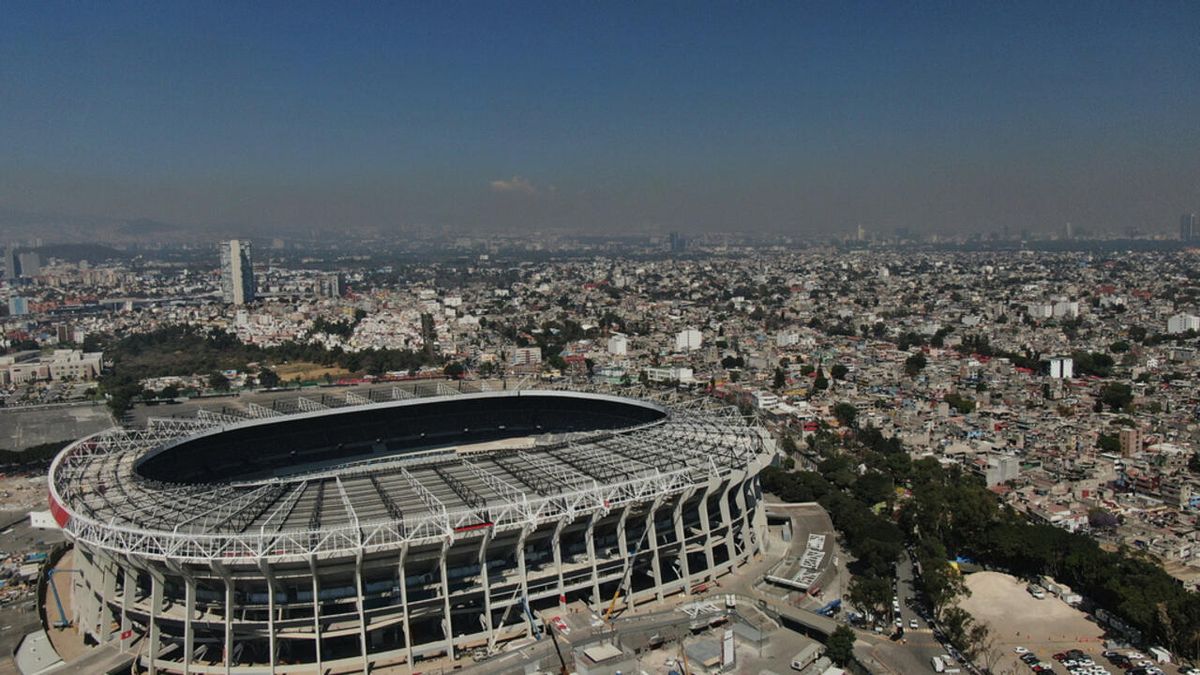
The recent decision by FIFA to consider moving the England-Mexico World Cup match to an earlier time due to a risk of storms and flooding near Mexico City's Azteca stadium has sparked concerns about the challenges of hosting a global event in a region prone to extreme weather. The match, originally scheduled for 6pm local time, may now take place at noon local time (1800 GMT) on Sunday.
The potential move highlights the complexities of hosting a major international event like the World Cup in a region with a history of extreme weather events. Mexico City, in particular, is known for its susceptibility to flooding and storms, which can have significant impacts on the safety and logistics of the event. The decision by FIFA to consider a time change underscores the importance of prioritizing the safety and well-being of players, officials, and spectators.
FIFA's decision to consider a time change is likely driven by a desire to minimize the risks associated with hosting the World Cup in a region prone to extreme weather. The organization may also be seeking to avoid the negative publicity that could result from a major weather-related incident during the event. Additionally, the decision may be influenced by the need to balance the interests of different stakeholders, including the host country, teams, and sponsors.
The World Cup has a long history of being affected by weather-related events. In 2014, the World Cup in Brazil was plagued by torrential rains and flooding, which forced several matches to be postponed or cancelled. Similarly, the 2018 World Cup in Russia was affected by extreme heat and humidity, which raised concerns about player safety and the impact on the game.
The potential move has significant implications for the region, particularly in terms of the impact on local infrastructure and logistics. The decision may also have broader implications for the region's ability to host major international events in the future. Additionally, the move may be seen as a test of FIFA's ability to adapt to changing circumstances and prioritize the safety and well-being of all stakeholders.
The potential move has significant consequences for the future of the World Cup in Mexico and beyond. If the match is moved to an earlier time, it may set a precedent for future World Cup events in regions prone to extreme weather. It may also raise questions about the long-term viability of hosting the World Cup in regions with a history of weather-related events.
The potential move of the England-Mexico World Cup match to an earlier time due to a risk of storms and flooding near Mexico City's Azteca stadium highlights the complexities of hosting a major international event in a region prone to extreme weather. The decision by FIFA underscores the importance of prioritizing the safety and well-being of all stakeholders and highlights the need for careful planning and adaptation in the face of changing circumstances.
Editor's Note: The decision by FIFA to consider a time change is likely driven by a desire to minimize the risks associated with hosting the World Cup in a region prone to extreme weather.
Source referenced: FRANCE24
This brief was synthesized by our Editorial Engine and reviewed by The Ground Narrative team.


