TRENDING

Wednesday, 23 September 2026
----------------------
12 Rabi' Al-Thani 1448 AH
A federal judge has ordered Elon Musk to testify under oath in two proposed class actions accusing him of defrauding voters in swing states before the 2024 election. The case raises questions about the intersection of politics, technology, and democracy.
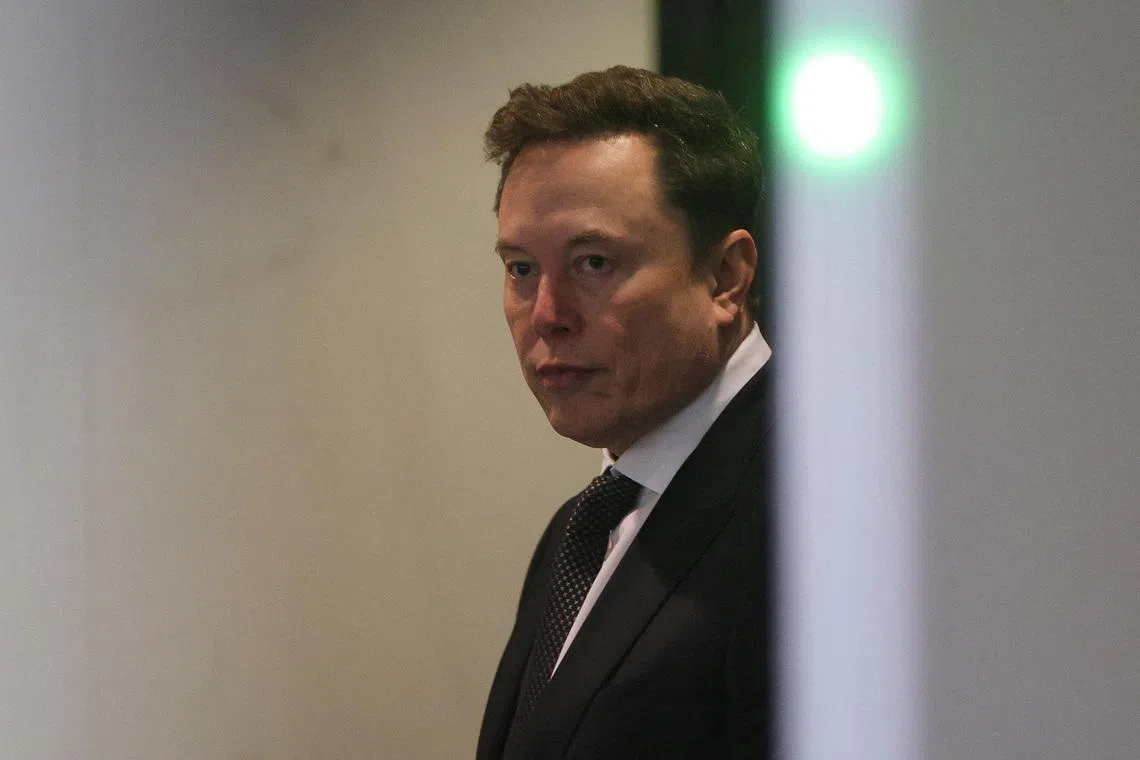
The recent decision by a federal judge to order Elon Musk to testify under oath in two proposed class actions has significant geopolitical implications. The case revolves around allegations that Musk defrauded voters in swing states before the 2024 election by promising a $1 million-a-day giveaway. This analysis will delve into the strategic motivations behind the lawsuit, the historical context, regional implications, and future consequences.
Elon Musk, the world's richest person, founded America PAC to support Republican Donald Trump's successful 2024 presidential run. In October 2024, Musk announced the giveaway at a Pennsylvania town hall, promising that the $1 million recipients would be chosen "randomly" as in a lottery. However, plaintiffs Joy Harvick and Jacqueline McAferty from Arizona claim that voters had no real chance of winning and that the 18 winners were chosen because they might be good spokespeople for America PAC.
The lawsuit against Musk and America PAC is likely driven by a desire to hold the billionaire accountable for his actions and to prevent similar tactics from being used in future elections. The plaintiffs are seeking to establish that Musk's promise of a random giveaway was a form of deception, designed to trick voters into providing personal identifying information. This has significant implications for the intersection of politics and technology, as it highlights the potential for wealthy individuals to use their resources to influence electoral outcomes.
The use of social media and other digital platforms to influence electoral outcomes is a relatively new phenomenon. However, the 2024 election saw a significant increase in the use of these platforms, with many candidates and campaigns using them to reach voters and mobilize support. The lawsuit against Musk is part of a broader trend of holding individuals and organizations accountable for their actions on these platforms.
The lawsuit has significant regional implications, particularly in the United States. The use of swing states in the 2024 election was a key factor in Trump's victory, and the allegations against Musk raise questions about the integrity of the electoral process in these states. The case also highlights the potential for foreign interference in the electoral process, as Musk's actions were seen as a form of "influence operation" by some observers.
The outcome of the lawsuit against Musk will have significant consequences for the future of politics and technology. If Musk is found liable, it could set a precedent for holding other individuals and organizations accountable for their actions on social media and other digital platforms. This could lead to a more transparent and accountable electoral process, but it could also have unintended consequences, such as chilling free speech and limiting the ability of candidates and campaigns to use digital platforms to reach voters.
The lawsuit against Elon Musk has significant geopolitical implications, raising questions about the intersection of politics, technology, and democracy. The case highlights the potential for wealthy individuals to use their resources to influence electoral outcomes and the need for greater transparency and accountability in the electoral process. The outcome of the lawsuit will have significant consequences for the future of politics and technology, and it is essential to monitor the situation closely to understand the implications for the global community.