TRENDING

Sunday, 8 November 2026
----------------------
28 Jumada Al-Awwal 1448 AH
The United States is expanding its economic pressure campaign against Iran, moving beyond naval blockades to target land-based supply routes. This escalation risks widespread human cost and regional instability.
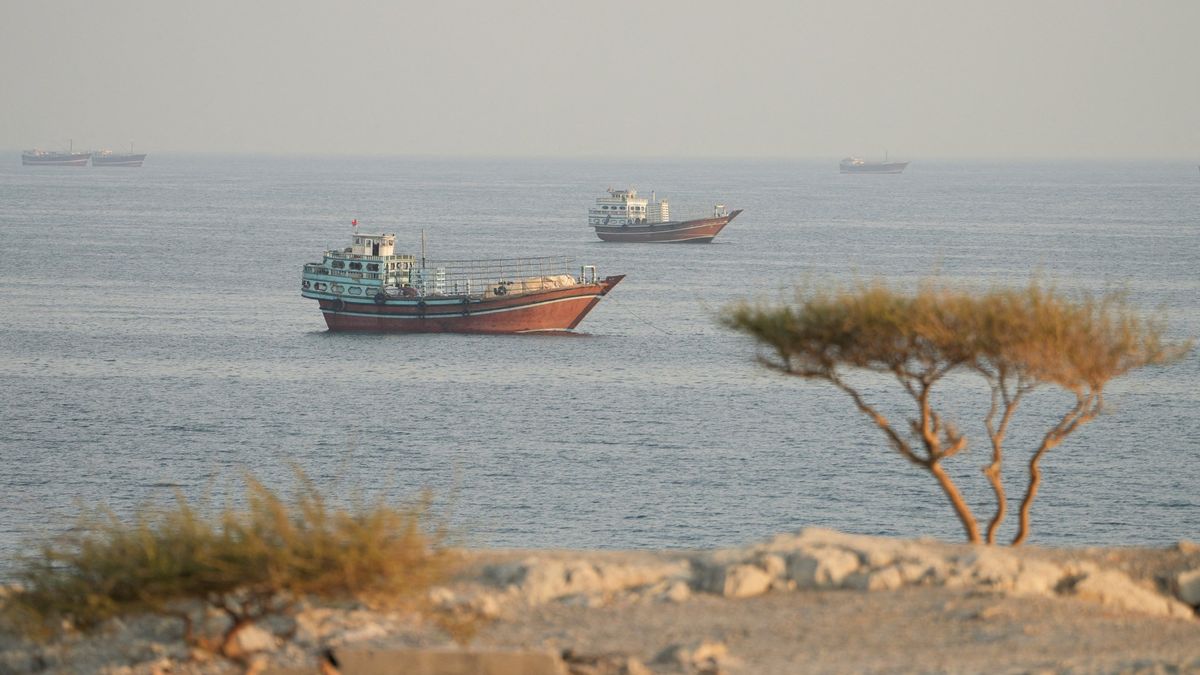
The United States military's Central Command (CENTCOM) has announced the formation of a new operational unit, Task Force Iron Gate, aimed at disrupting Iran's land-based supply routes. This initiative marks a significant expansion of an existing naval blockade in the Strait of Hormuz, which has been in place for months. The new task force, headquartered in Tampa, Florida, will coordinate with other US government agencies to prevent the movement of advanced weapons systems, dual-use technologies, sanctioned materials, and illegal revenue streams across Iran’s land borders and the Caspian Sea.
Simultaneously with this announcement, CENTCOM confirmed it had disabled a commercial cargo vessel, the St. Kitts-flagged M/V Huda, in the Gulf of Oman through precision munition strikes. This action follows previous incidents where US forces redirected 147 commercial vessels and disabled five merchant ships that refused to comply with the naval blockade. Reports from Iran's official news agency, IRNA, indicated multiple explosions on Qeshm Island and in coastal cities near the Strait of Hormuz, with US President Donald Trump confirming new, albeit
Task Force Iron Gate is a new US military initiative launched by CENTCOM to disrupt Iran's land-based supply routes. It expands on an existing naval blockade, targeting advanced weapons, dual-use technologies, sanctioned materials, and illegal revenue streams across Iran's borders and the Caspian Sea.
The expanded blockade, while targeting the Iranian regime, inevitably impacts ordinary citizens through economic hardship. It leads to increased inflation, scarcity of goods (including those with civilian 'dual-use' applications), and reduced access to essential services as the national economy struggles under pressure.
The strategy carries significant risks of escalating conflict through miscalculation or unintended consequences. It could destabilize regional countries like Iraq, disrupt global energy markets and trade, and potentially push Iran toward more aggressive retaliatory measures or deeper alliances with adversarial powers, rather than toward diplomatic resolution.
Source referenced: ALJAZEERA
This brief was synthesized by our Editorial Engine and reviewed by The Ground Narrative team.


