TRENDING

Saturday, 7 November 2026
----------------------
27 Jumada Al-Awwal 1448 AH
Houston's mayor has sharply limited local police cooperation with federal immigration authorities, reversing a previous policy. This move, following a Democratic sweep in Texas, aims to reduce fear and anxiety among the city's immigrant population.
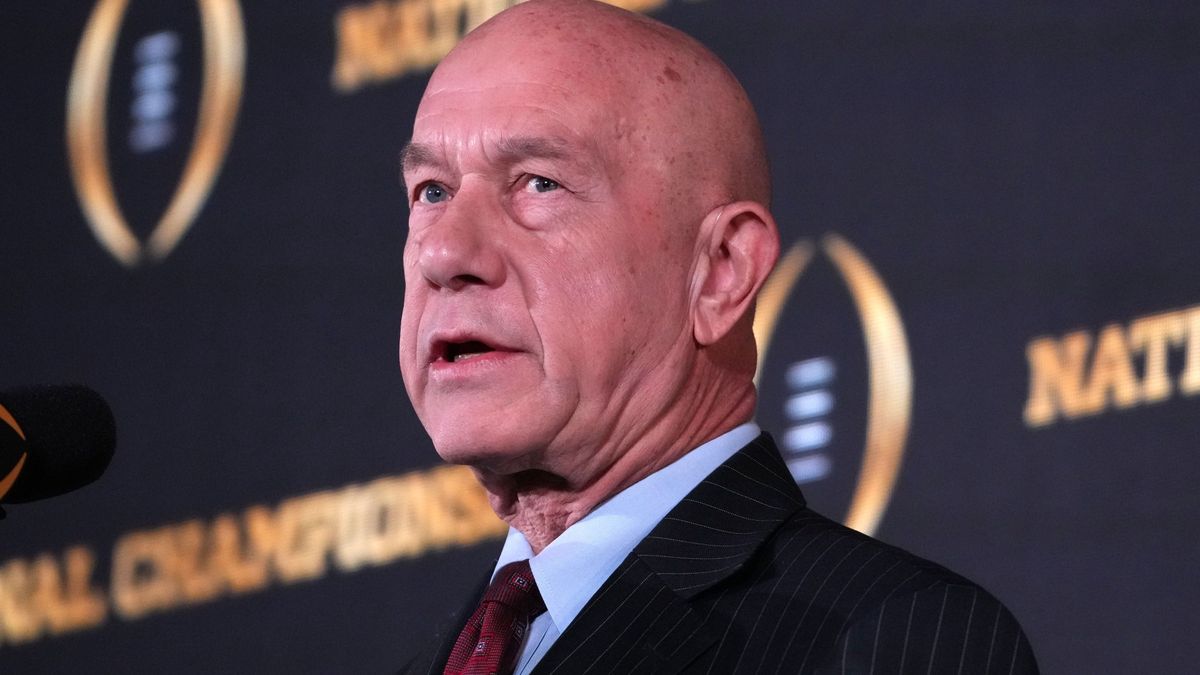
Houston Mayor John Whitmire has issued an executive order significantly curtailing the cooperation between the city’s police force and United States Immigration and Customs Enforcement (ICE). Under the new directive, Houston police will now only contact ICE when a person is arrested for a jailable offense, explicitly excluding minor traffic violations or administrative immigration warrants. This policy reversal comes just days after Democrats swept statewide offices in Texas in the 2026 midterm elections, and undoes an earlier policy implemented by Whitmire under pressure from the outgoing Republican Governor Greg Abbott.
The mayor's executive order is a direct illustration of the intricate and often contentious power dynamics at play between federal, state, and local governments concerning immigration enforcement. For years, Texas has been a battleground for these tensions, with the state government often seeking to compel local authorities to assist federal efforts, while cities with large immigrant populations have pushed back for local autonomy.
At the core of this conflict is Texas Senate Bill 4 (SB4), a 2017 state law that broadly prohibits local police from restricting cooperation with federal immigration authorities. Under the previous Republican state leadership, Governor Greg Abbott and Attorney General Ken Paxton wielded significant leverage, threatening to withdraw substantial state public safety grants—in Houston's case, $110 million—from cities deemed non-compliant. This financial threat forced Mayor Whitmire to initially expand Houston police cooperation with ICE in April, leading to a dramatic increase in contacts between local police and federal agents.
The recent Democratic sweep in statewide Texas offices fundamentally altered this power calculus. With a new Democratic governor, lieutenant governor, and comptroller, Mayor Whitmire found a political opening. His consultation with these newly elected officials before issuing the order signals a shift in state-level support, or at least a reduction in the political and financial risks associated with diverging from strict federal immigration enforcement. This change demonstrates how electoral outcomes can directly empower local leaders to pursue policies aligned with their constituents' needs, even when those policies conflict with previous state directives.
Furthermore, the support from Houston Police Chief J Noe Diaz highlights a growing recognition within local law enforcement of the practical challenges posed by aggressive immigration enforcement. When local police are perceived as an extension of federal immigration agents, it erodes trust within immigrant communities, making residents less likely to report crimes, cooperate with investigations, or seek help in emergencies. This breakdown of trust undermines the very principles of community policing and can inadvertently make cities less safe for everyone. By limiting cooperation, the Houston police department is prioritizing its relationship with the entire community, viewing it as essential for effective law enforcement.
Mayor Whitmire's explicit hope that Houston's approach will become a
Source referenced: ALJAZEERA
This brief was synthesized by our Editorial Engine and reviewed by The Ground Narrative team.


