TRENDING

Saturday, 7 November 2026
----------------------
27 Jumada Al-Awwal 1448 AH
In a historic shift, American voters delivered a decisive rebuke to President Donald Trump and the Republican Party in the 2026 Midterm Elections, flipping both the House and Senate to Democratic control. This analysis delves into the underlying power dynamics, human costs, and untold stories behind this significant electoral outcome.
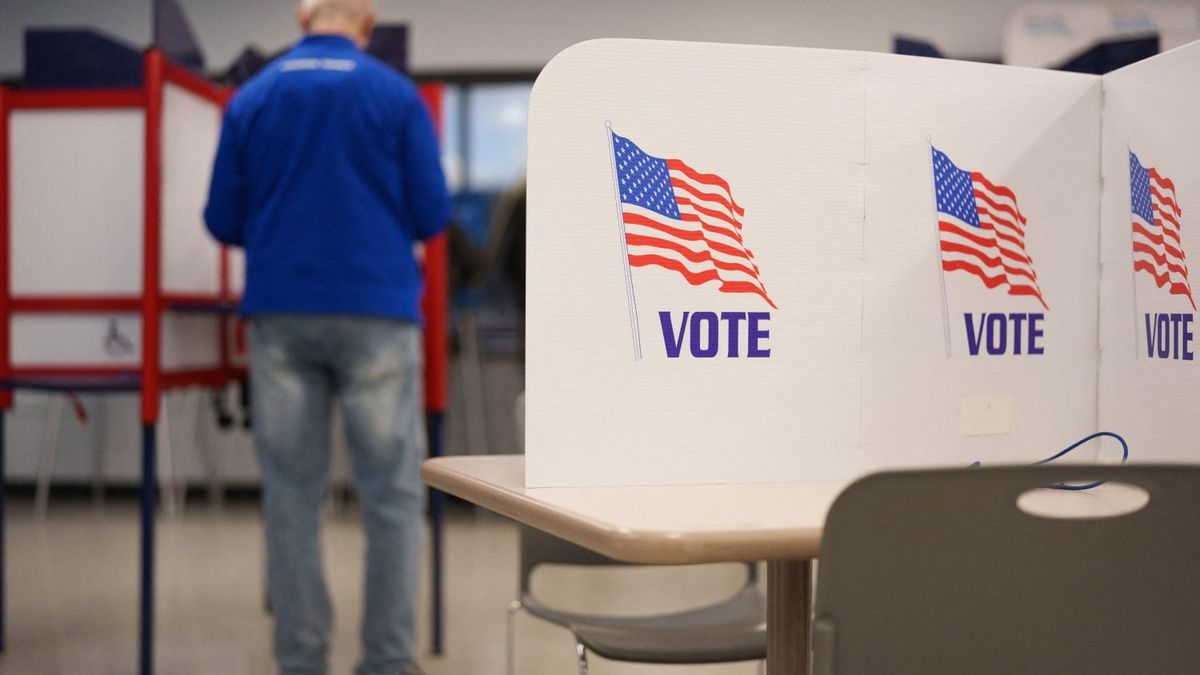
In a historic electoral shift, the United States witnessed a profound political realignment in the 2026 Midterm Elections. Voters delivered a decisive rebuke to President Donald Trump and the Republican Party, flipping control of both the House of Representatives and the Senate to the Democrats. This "blue wave" was not merely a marginal victory but a sweeping mandate, with Democrats securing a 13-percentage-point advantage in the popular vote—the widest midterm margin since 1976—and capturing over 35 seats in the House and as many as eight in the Senate, a combined congressional swing unseen since the post-war era of 1946-1948.
The 2026 midterms represent a significant rebalancing of power within Washington, fundamentally altering the political landscape for the remainder of President Trump's term and setting the stage for the 2028 presidential election. The immediate consequence is the end of unified Republican control, forcing a new dynamic where the executive branch must now contend with a hostile legislative body. This shift empowers Democrats to actively challenge, scrutinize, and potentially obstruct the administration's agenda, particularly in foreign policy and domestic spending.
At the heart of this power shift is the unprecedented public challenge from within the administration itself. Vice President J.D. Vance's swift and public declaration attributing the Republican loss solely to the Iran war is a calculated maneuver. For a presidency built on an ethos of "blind loyalty," Vance's statement is a direct assault on President Trump's authority and a clear signal of his own political ambitions for 2028. This move is designed to carve out a distinct political identity, appealing to a segment of the Republican base that felt betrayed by the administration's foreign policy choices, particularly the perceived abandonment of the "America First" promise of avoiding new wars. By framing the defeat around a single, unpopular policy, Vance and other MAGA pundits like Sean Hannity attempt to deflect blame from broader issues such as corruption or economic mismanagement, thereby controlling the narrative and absolving themselves and the wider Republican Party of accountability.
The "America First" ethos, while often associated with protectionism, carried an implicit bargain with a significant portion of the electorate: a promise of prioritizing domestic concerns and avoiding costly foreign entanglements. The Iran war, perceived as a deviation from this core tenet, shattered that trust for many voters who had supported Trump in 2024. This broken promise became a potent symbol of leadership out of touch with its base, particularly when coupled with economic fallout.
With control of both chambers, Democrats now possess significant leverage. They can initiate investigations into allegations of corruption, block presidential appointments, and use the power of the purse to influence policy. Specifically, they can actively "thwart Trump's foreign policy" on issues ranging from the Iran war and "boat strikes" to the administration's stance on Ukraine. This newfound congressional power transforms the legislative branch into a formidable check on executive authority, forcing the administration to negotiate or face significant legislative hurdles. The ability to subpoena, investigate, and hold hearings will shine a spotlight on the inner workings of the administration, potentially revealing further instances of self-enrichment or policy missteps.
The election results also underscore the enduring power of public sentiment regarding governmental integrity. While the Iran war and economic affordability were significant factors, the widespread perception of "corruption" emerged as a dominant concern for many Americans. This is not merely a partisan accusation but a structural challenge to the integrity of the presidency itself. The alleged "looting of the American presidency on a massive scale" and the "self-enrichment" of the president and his inner circle, as highlighted by various surveys, suggests a profound erosion of public trust. This issue transcends traditional political divides, resonating with voters across the political spectrum, including those in traditionally Republican states like Kansas, North Carolina, South Carolina, and Texas, which unexpectedly came into play for Democrats. The mechanics of power here show that even a highly personalized administration can be vulnerable when the public perceives a fundamental betrayal of trust and a disregard for the common good in favor of personal gain.
The repercussions of the 2026 Midterm Elections and the policies that preceded them are deeply felt by ordinary citizens, extending far beyond the political elite in Washington. The human cost manifests primarily in economic hardship, a profound erosion of public trust, and the often-unseen burdens of war.
For millions of American households, the most immediate and tangible impact has been the "spike in prices" directly linked to the Iran war and the administration's tariff policies. The cost of living escalated dramatically, making everyday necessities like groceries, fuel, and housing less affordable. This economic squeeze disproportionately affects lower and middle-income families, who have less disposable income to absorb rising costs. Small businesses also bear the brunt of increased operational expenses and reduced consumer spending power. While policymakers debate the intricate causes of inflation, families experience the stark reality of shrinking purchasing power and increased financial precarity, often making difficult choices between essential expenditures. The promise of economic prosperity rings hollow when the weekly grocery bill becomes a source of stress and anxiety.
Perhaps more insidious than the economic burden is the widespread perception of "corruption" and "self-enrichment" within the highest echelons of government. When a significant portion of the electorate believes that their president and his inner circle are using public office for personal financial gain, it fundamentally undermines faith in democratic institutions. This erosion of trust is a corrosive force, leading to cynicism, disengagement, and a sense that the system is rigged against ordinary people. It makes citizens less likely to believe official statements, less willing to participate in civic processes, and more susceptible to misinformation. The idea that leaders are "disdainful of the country" and indifferent to the concerns of the electorate creates a dangerous chasm between the governed and those who govern, weakening the social contract that underpins a stable democracy. This human cost is not easily quantifiable but manifests in a fractured society struggling to find common ground.
While the raw intelligence highlights the Iran war's unpopularity and its connection to economic woes, the human cost of armed conflict itself is often downplayed in domestic political discourse. Beyond the financial drain on national resources, war exacts a devastating toll on human lives, both military personnel and civilians. American service members and their families endure the direct risks of combat, the trauma of deployment, and the long-term physical and psychological scars of war. In Iran, the conflict undoubtedly leads to displacement, destruction, loss of life, and profound societal disruption. These are the human stories that often remain in the background of geopolitical analysis, yet they are the ultimate price paid for strategic decisions. The "America First" promise of avoiding new wars resonated precisely because many voters understood this profound human cost, making the administration's pivot to war a particularly painful betrayal. The human cost of war is not just about lives lost, but about futures derailed, communities shattered, and a legacy of suffering that can span generations.
In the aftermath of the 2026 Midterm Elections, powerful actors are actively engaged in shaping the narrative, often downplaying or entirely omitting crucial aspects of the public's discontent. The selective interpretation of the election results serves distinct political agendas, obscuring deeper truths about the state of American governance and its global standing.
The most significant untold story is the deliberate attempt by Republicans and their media allies to deflect from the pervasive public concern over corruption. By focusing almost exclusively on the Iran war as the sole cause of their electoral defeat, figures like Vice President Vance and pundits like Sean Hannity are strategically attempting to absolve the administration and the party of accountability for allegations of "self-enrichment" and the "looting of the American presidency." The raw intelligence explicitly notes that for many Americans, "corruption" was a top issue, even surpassing "affordability." Yet, official statements and partisan analyses rarely acknowledge this. This omission is critical because it avoids confronting a fundamental challenge to the integrity of the highest office. Admitting that widespread public perception of presidential self-dealing contributed to the defeat would require profound introspection and a commitment to restoring ethical norms, which many within the Republican Party are unwilling to undertake. Instead, blaming a single, unpopular foreign policy decision is a far more convenient and politically expedient narrative, allowing them to sidestep the systemic issues of accountability and transparency that truly resonated with voters.
Another downplayed aspect is the long-term impact of normalizing behaviors that were once considered beyond the pale of American political conduct. The raw intelligence describes the president's alleged self-enrichment as defying "all precedent in American history" and notes his own admission that he "tried to follow the rules—which he didn’t—and it turned out nobody cared." This casual dismissal of ethical boundaries, coupled with a perceived lack of consequences, has a corrosive effect on the democratic fabric. What is omitted from public discourse is the question of how deeply these norms have been eroded and how difficult it will be to re-establish them. The powerful are reluctant to acknowledge the extent to which the very foundations of ethical governance have been challenged, as doing so would imply a profound institutional crisis rather than just a policy disagreement. The "untold story" here is the quiet, incremental damage done to the unwritten rules and expectations that have historically governed the conduct of public officials, setting a dangerous precedent for future administrations.
While the focus of the midterm analysis is domestic, the global ripple effects of a weakened American presidency and a deeply divided government are often understated. A United States consumed by internal political battles, with a president facing a hostile Congress and an internal challenge from his own vice president, projects an image of instability and unpredictability on the world stage. What is omitted is the quiet calculation being made by allies and adversaries alike. Allies may question the reliability of American commitments and seek alternative partnerships, while adversaries may perceive opportunities to advance their own interests in regions like Iran, Ukraine, or the South China Sea. The "America First" approach, which often alienated traditional allies, now faces further complications from a fractured domestic political scene. The powerful in Washington tend to frame these issues as purely internal matters, but the world watches closely, and the perceived decline in American global leadership has tangible consequences for international stability, trade, and security architectures. The full extent of this global re-evaluation, driven by American domestic turmoil, remains largely unaddressed in the immediate post-election analysis.
The aftermath of the 2026 Midterm Elections ushers in a period of intense political maneuvering and potential policy shifts, both domestically and internationally. Observers should closely monitor several key areas to understand the evolving landscape of power.
First, the Democratic-controlled Congress will likely move swiftly to capitalize on its newfound majority. Watch for Democrats to initiate a series of congressional investigations into the administration's conduct, particularly focusing on the allegations of corruption and self-enrichment that resonated so strongly with voters. These investigations could involve extensive subpoenas, public hearings, and attempts to uncover financial dealings, potentially leading to significant political fallout for the Trump administration and its associates. Beyond oversight, expect Democrats to push for legislative priorities that directly address the "cost of living" concerns that motivated many voters, though passing significant legislation will require navigating a hostile White House.
Second, the behavior of President Trump will be critical. How will he respond to this unprecedented rebuke from the electorate and the direct challenge from his own Vice President J.D. Vance? Will he adopt a more conciliatory tone, seek compromise with the new Democratic Congress, or double down on his confrontational approach? His reactions will dictate the level of legislative gridlock and political volatility for the remainder of his term. Any public response to Vance's statement, or lack thereof, will also signal the internal dynamics within the Republican Party as it grapples with its future leadership.
Third, the 2028 presidential race will begin to take shape with increased urgency. J.D. Vance's calculated move to distance himself from the Iran war positions him as a potential frontrunner for the Republican nomination. Watch how other aspiring Republican candidates react to the midterm results. Will they align with Vance's narrative, or will they attempt to forge a different path, perhaps acknowledging broader issues beyond foreign policy? The internal struggle for the soul of the Republican Party—between the Trump loyalists, the Vance faction, and traditional conservatives—will intensify, shaping the ideological battles of the next election cycle.
Finally, significant shifts in US foreign policy are highly probable. With Democrats now holding sway in Congress, expect increased pressure on the administration regarding the Iran war, Ukraine, and other international engagements. Congress could attempt to limit funding for military actions, impose new conditions on foreign aid, or push for diplomatic resolutions. The administration's ability to conduct foreign policy unilaterally will be severely curtailed. Watch for changes in rhetoric and policy towards key global players, as the United States navigates a period of internal political realignment while maintaining its role on the world stage. The world will be watching to see if America's foreign policy becomes more predictable or if internal divisions lead to further inconsistencies.
Democrats achieved a historic victory, flipping both the House and Senate from Republican control. They secured a 13-percentage-point popular vote advantage and significant seat gains, marking a decisive rebuke to President Donald Trump and his party.
While Vice President J.D. Vance attributed the loss solely to the Iran war, analysis suggests a broader repudiation of the Trump administration. Key factors included widespread public concern over corruption, the economic impact of rising prices linked to the Iran war and tariffs, and a perceived betrayal of the 'America First' promise to avoid new foreign entanglements.
The Democratic-controlled Congress gains significant leverage to challenge the Trump administration. They are expected to initiate investigations into alleged corruption, block presidential appointments, and exert influence over foreign policy decisions regarding the Iran war, Ukraine, and other international engagements.
Editor's Note: Analysis based on provided hypothetical 2026 news reporting.
Source referenced: FOREIGNPOLICY
This brief was synthesized by our Editorial Engine and reviewed by The Ground Narrative team.