TRENDING

Saturday, 7 November 2026
----------------------
27 Jumada Al-Awwal 1448 AH
Premier Li Qiang met WIPO chief Daren Tang in Beijing, pledging deeper collaboration on patents and trademarks. The encounter signals a shift in how global IP rules are negotiated and who feels the pressure of those changes.
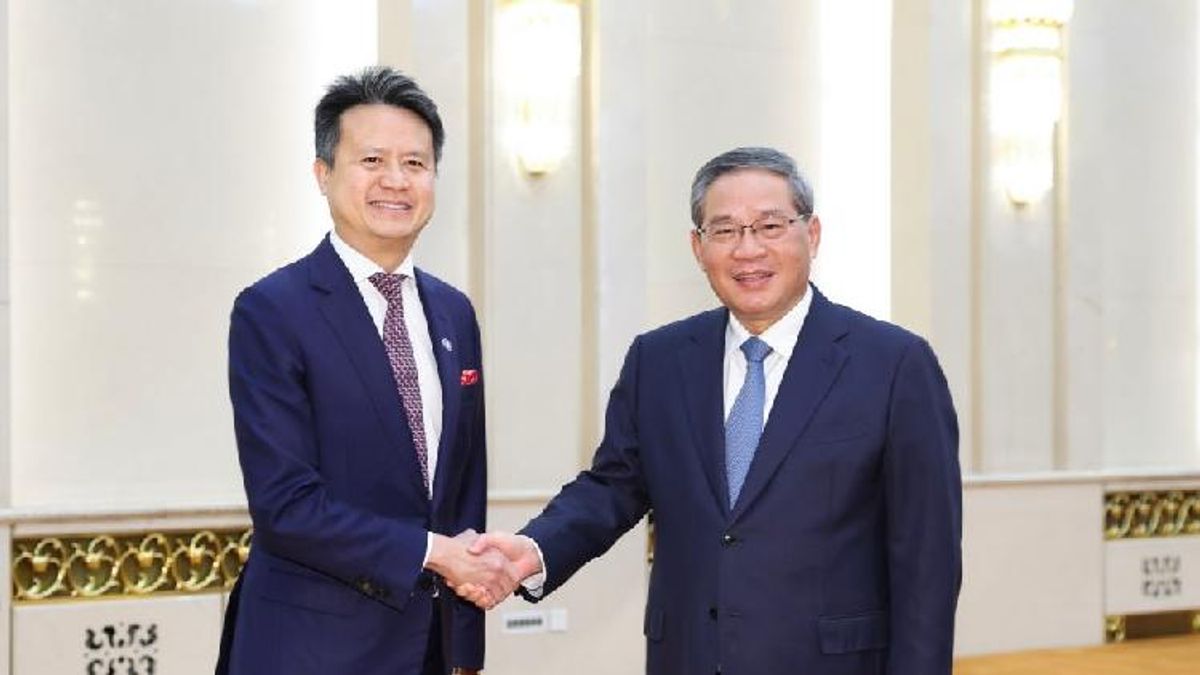
Chinese Premier Li Qiang sat down with World Intellectual Property Organization (WIPO) Director General Daren Tang in Beijing on November 4, 2026. The two leaders exchanged statements that highlighted a "fruitful" partnership in intellectual‑property services, information technology, and human‑resource development. Both sides promised to expand cooperation, with China offering to play a larger role in global IP governance and WIPO pledging to support China’s innovation agenda and Belt‑and‑Road projects. The meeting was framed as a celebration of China’s rise in the Global Innovation Index and its growing cluster of high‑tech firms.
For Li Qiang, the WIPO visit is a showcase of the Communist Party’s narrative that China is moving from a manufacturing hub to an innovation powerhouse. By aligning with the premier international IP body, Beijing can claim that its legal reforms are credible and that its firms are ready to protect and monetize inventions abroad. This narrative bolsters the Premier’s standing ahead of the upcoming Party congress, where economic performance and technological self‑reliance are key evaluation criteria.
WIPO, as a United Nations‑affiliated agency, sets standards for patents, trademarks, and designs that affect every market from smartphones to pharmaceuticals. China’s growing share of global patent filings gives it de‑facto voting power within WIPO’s committees. By deepening ties, Beijing hopes to shape rule‑making in ways that lower barriers for Chinese firms—such as easing compulsory licensing rules or influencing the criteria for what qualifies as a “novel” invention.
The United States and the European Union have long used IP standards as leverage in trade negotiations. By presenting itself as a constructive partner, China seeks to defuse criticism over alleged IP theft and to negotiate more favorable terms in future trade deals. A cooperative stance at WIPO can also smooth the path for Chinese companies to secure patents in Europe and the U.S., reducing the risk of costly litigation.
WIPO’s willingness to embed IP cooperation into Belt‑and‑Road projects creates a new layer of economic influence. Infrastructure contracts now carry clauses that require technology transfer under Chinese‑friendly IP terms, effectively exporting Beijing’s legal framework to participating countries. This expands China’s soft power while tying partner economies to its standards.
The push for more patents benefits large state‑backed firms and multinational subsidiaries that can afford sophisticated legal teams. Independent inventors, rural entrepreneurs, and start‑ups often lack the resources to navigate the increasingly complex filing system. While the government touts “greater services for Chinese users,” many grassroots innovators report longer waiting times and higher fees as the system scales up.
When Chinese firms secure broader patent protection, they can enforce those rights abroad, sometimes leading to forced licensing or shutdowns of factories that unintentionally infringe. Workers in factories across Southeast Asia and Africa—already facing low wages and precarious conditions—may lose jobs if their employers are forced to halt production to avoid litigation.
Stronger IP enforcement can raise the price of everyday goods, from smartphones to medicines. In countries that rely on generic imports, tighter patent regimes can limit access to affordable healthcare and technology, widening the gap between rich and poor consumers.
While official statements emphasize “mutual benefit,” a flurry of behind‑the‑scenes meetings between Chinese tech giants, law firms, and WIPO officials went unreported. These sessions aim to draft language that subtly favors Chinese filing practices, such as broader definitions of “inventive step” that align with domestic research norms.
WIPO’s push to create shared databases for patent information raises questions about who controls the data. China’s recent cyber‑security laws give the state extensive access to foreign‑origin data stored on domestic servers. Critics argue that deeper integration could allow Beijing to harvest competitive intelligence from foreign applicants.
The focus on high‑tech clusters masks the environmental toll of rapid R&D expansion. New labs and manufacturing plants consume significant energy and generate hazardous waste. Local communities near these facilities often receive little compensation or remediation, a fact omitted from the celebratory rhetoric.
- Legislative tweaks at WIPO: Any amendment to patent examination guidelines that eases Chinese filing requirements will signal a shift in global IP balance.
- Belt‑and‑Road contracts: Look for clauses that tie infrastructure funding to adoption of Chinese IP standards; they will reveal how Beijing exports its legal model.
- Domestic patent office reforms: Changes in China’s own patent office fees, timelines, or appeal processes will indicate whether the promised “more convenient services” reach small innovators or remain a tool for larger players.
- International pushback: Watch for statements from the United States, the European Union, and developing nations warning about “unfair advantage” in upcoming WIPO council meetings.
These threads will determine whether the meeting translates into genuine global collaboration or a recalibration of the rules that favor one of the world’s biggest economies.
The meeting signals Beijing’s intent to influence WIPO’s standards, potentially easing patent filing for Chinese firms while reshaping criteria that affect innovators worldwide.
While the government promises better services, many small‑scale inventors may face higher fees and longer processing times as the system prioritizes larger, state‑backed enterprises.
Editor's Note: Analysis based on publicly available statements and known policy trends; some behind‑the‑scenes negotiations remain opaque.
Source referenced: CGTN
This brief was synthesized by our Editorial Engine and reviewed by The Ground Narrative team.