TRENDING

Saturday, 7 November 2026
----------------------
27 Jumada Al-Awwal 1448 AH
Democrats captured both chambers of Congress in the 2026 midterms, flipping deep‑red seats and installing historic firsts. The shift reshapes policy battles and puts ordinary Americans at the center of a new power balance.
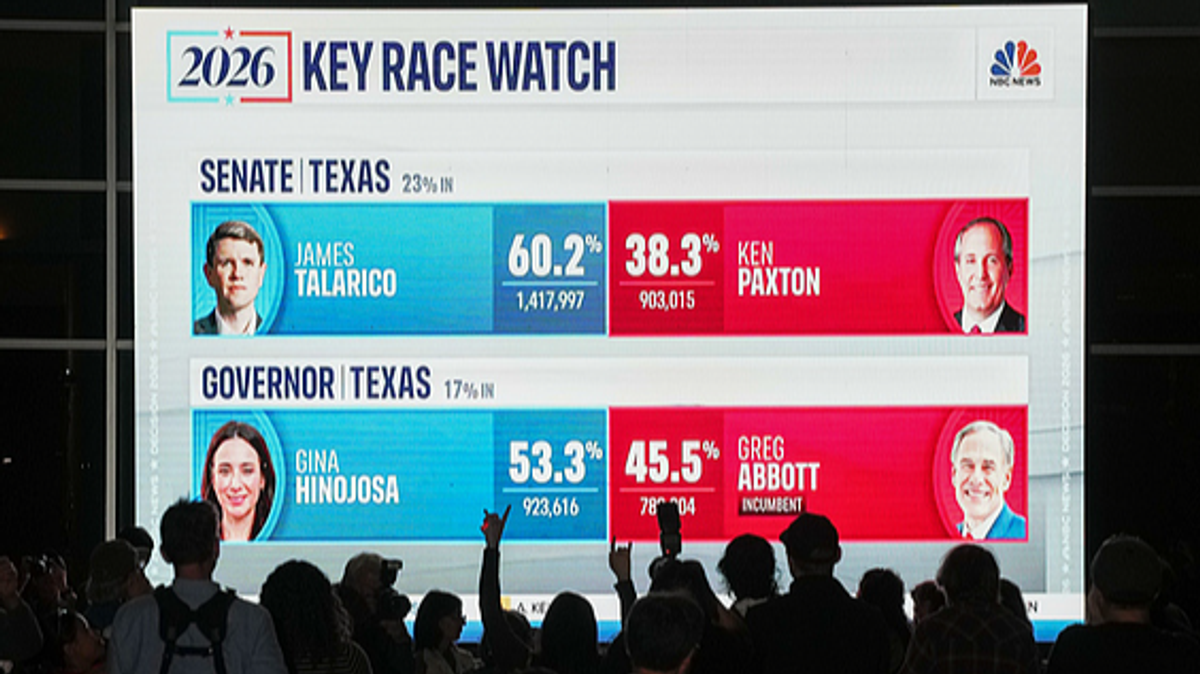
The November 2026 midterm elections delivered a decisive Democratic victory, giving the party control of the Senate and a solid majority in the House. Seven Senate seats flipped from Republican hands, and key gubernatorial races in Texas and Georgia produced the first Muslim senator and the first elected Black woman governor, respectively. With Hakeem Jeffries poised to become the first Black Speaker of the House, the electoral map now shows a stark departure from the 2024 outcome.
Rising gas prices and a persistent cost‑of‑living squeeze eroded the traditional Republican advantage in rural and Hispanic precincts. Surveys indicated that households spending a larger share of income on fuel were more likely to switch to Democratic candidates, a trend amplified by targeted messaging on energy policy.
The Democratic Senate campaign coordinated a national fundraising surge, leveraging Abdul El‑Sayed's historic candidacy to energize Muslim and immigrant voters. Simultaneously, the party softened its stance on certain fiscal issues to appeal to moderate conservatives in Kansas and South Carolina, a tactical pivot that paid off in swing districts.
Control of both chambers grants Democrats the ability to shape the federal budget, confirm judicial appointments, and block executive orders that lack bipartisan support. For the Trump administration, the loss translates into a reliance on executive actions and foreign‑policy levers where congressional oversight is weaker.
Farmers in the Midwest, already grappling with volatile commodity prices, now face a Congress that may prioritize climate‑related spending over traditional subsidies. While some see long‑term benefits, the immediate impact could be higher operational costs and tighter profit margins for small‑scale producers.
The swing of Hispanic voters away from the Republican platform reflects deep concerns over immigration enforcement and labor protections. In Texas and Arizona, community groups report increased anxiety about potential policy rollbacks that could affect family reunification and workplace rights.
Grassroots organizers who powered the Democratic surge are now tasked with translating electoral wins into concrete policy outcomes. The rapid transition strains limited campaign infrastructure, leaving many volunteers without clear pathways to sustain momentum.
While the media celebrates the Democratic sweep, major energy and defense contractors have quietly intensified lobbying efforts to shape forthcoming appropriations bills. Their influence is often framed as “industry expertise,” obscuring the profit motives that drive policy preferences.
National outlets have highlighted the historic firsts and the symbolic significance of the victories, but less attention is given to the underlying demographic shifts and the role of state‑level ballot measures that altered voter rolls in several red states.
Both parties benefited from a surge in dark money contributions following the 2024 election cycle. The influx of untraceable funds, funneled through super‑PACs, allowed candidates to run high‑cost ad blitzes that many local voters could not scrutinize, skewing the informational environment.
The next two years will test whether the Democratic majority can deliver on its legislative agenda before the 2028 presidential race reshapes the national conversation. Key indicators to monitor include the passage of climate‑investment bills, the handling of the looming debt ceiling, and any resurgence of Republican grassroots movements in the South. Additionally, the administration’s foreign‑policy posture—particularly regarding Iran and China—will reveal how much room Congress retains to check executive actions. Observers should also track the evolution of campaign finance reforms, as pressure mounts to increase transparency ahead of the next election cycle.
Higher fuel costs, targeted outreach to Hispanic voters, and a strategic softening on fiscal issues helped Democrats break through in red districts. Local economic anxiety and effective grassroots mobilization also played decisive roles.
With Democrats controlling the Senate and House, Congress can more rigorously scrutinize executive actions, especially in areas like Iran and China. However, the president may rely on executive orders where legislative pushback is limited.
Source referenced: CGTN
This brief was synthesized by our Editorial Engine and reviewed by The Ground Narrative team.


