TRENDING

Saturday, 7 November 2026
----------------------
27 Jumada Al-Awwal 1448 AH
The 2026 midterms handed Democrats control of both chambers, thrusting them into a clash over AI data centers, inflation and regional power. This brief unpacks the forces at play and who truly pays the price.
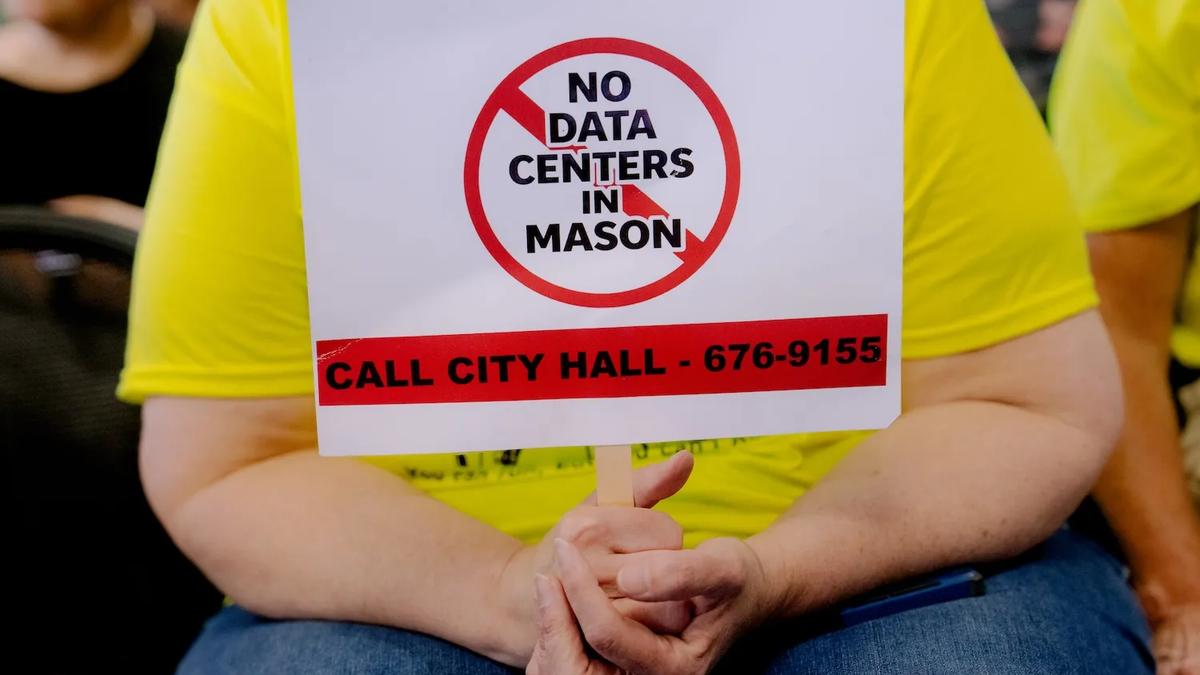
The November 2026 congressional elections delivered a historic swing: Democrats captured the House and Senate, winning seats in traditionally red strongholds such as Texas, Kansas and South Carolina. President Donald Trump remains in the White House, creating a divided government where the legislative agenda must navigate a hostile executive. At the same time, voters expressed sharp anxiety about artificial intelligence, data‑center expansion, and soaring living costs, turning these issues into decisive ballot points.
- Electoral realignment and fiscal leverage: The Democratic majority now controls the budgetary process, committee chairmanships and the Senate filibuster threshold. While the president can veto, a unified Congress can override with a two‑thirds vote, giving the party a credible threat of legislative pushback on executive priorities. This structural shift forces the Trump administration to negotiate rather than dictate policy.
- AI as a compute‑intensive industry: Modern AI models demand massive data center capacity, especially in low‑tax, low‑regulation states like Texas. Developers have earmarked roughly 60 GW of new power—valued at $200 billion—to meet demand. The economic lure for localities is clear: jobs, tax revenue, and a high‑tech reputation. Yet the same projects raise electricity prices for residents and generate noise, heat and environmental concerns.
- Regional political economies: Texas and Florida have long served as counterweights to the coastal liberal hubs of New York and California. By winning a foothold in Texas, Democrats now hold sway over a state that traditionally champions deregulation and fossil‑fuel interests. This creates a bargaining chip: support for AI infrastructure in exchange for concessions on climate policy, labor standards, or federal funding for rural broadband.
- Fiscal versus monetary tools: Congress can influence macro‑economic conditions only through fiscal levers—tax policy, spending programs, and debt management. The Federal Reserve sets interest rates independently, but a credible fiscal stance (e.g., disciplined spending, targeted tax hikes) can ease market expectations and indirectly lower borrowing costs. Democrats face a dilemma: pursue aggressive spending to address affordability while avoiding a fiscal backlash that could keep rates high.
- Party coalition dynamics: The new Democratic caucus blends progressive urban legislators with a wave of “prairie populists” from the Midwest. These members prioritize anti‑elitist rhetoric, price‑control measures, and skepticism toward corporate‑driven AI expansion. Balancing their demands against the interests of tech‑heavy donors and moderate swing voters will shape the legislative agenda.
In Texas, the projected 60 GW of AI‑driven power demand threatens to raise wholesale electricity prices for households already coping with high bills. Rural utilities, which operate on thin margins, may be forced to pass infrastructure costs onto low‑income families, exacerbating the cost‑of‑living crisis that helped elect the new Democrats.
Data‑center construction creates short‑term construction jobs but offers limited long‑term employment for local workers. Most operational roles require specialized technical skills that are scarce in the Midwest, prompting a wave of out‑migration for training or leaving the region with unfilled positions.
Large cooling systems emit heat islands and increase water usage, impacting air quality and local ecosystems. Communities near proposed sites have reported higher asthma rates and noise complaints, a burden that rarely appears in national policy debates.
The broader inflation narrative—driven by supply‑chain bottlenecks and aggressive corporate pricing—hits hardest on groceries, prescription drugs and housing. Without coordinated price‑control legislation, these pressures will continue to erode real wages for the middle class.
Tech giants have poured millions into state‑level campaigns to secure favorable zoning and tax breaks for data‑center projects. While public statements emphasize job creation, internal memos reveal a strategy to lock in low‑cost power contracts that would otherwise be subject to future regulation. This lobbying effort is largely invisible to voters focused on national headlines.
President Trump has signaled a willingness to use executive orders to protect AI investment, framing any Democratic pushback as “anti‑innovation.” Behind the scenes, the White House is coordinating with the Energy Department to fast‑track permitting in states where the administration retains political allies, effectively sidestepping congressional oversight.
The caucus’s lack of a unified economic blueprint is not merely a tactical gap; it reflects deep ideological rifts. Progressive members demand aggressive wealth taxes and stricter antitrust enforcement, while centrist legislators fear alienating the tech donors essential for financing AI infrastructure. This tension is downplayed in public messaging that touts “bipartisan solutions.”
Mainstream coverage often portrays AI as a monolithic threat, focusing on job loss and data‑center pollution. What receives less attention is the nuanced debate over data sovereignty, national security implications of foreign‑owned cloud services, and the potential for AI to reshape public services if governed responsibly.
- Legislative roll‑call on AI zoning: Expect a series of bills in the coming months targeting data‑center siting, environmental impact assessments, and local utility rate structures. Their progress will signal how much influence Democratic leaders can exert over the tech lobby.
- Fiscal package on affordability: Watch for a bipartisan‑styled “cost‑of‑living” bill that could combine targeted drug‑price caps, expanded SNAP benefits, and modest tax adjustments. Its design will reveal whether the new majority can translate electoral promises into concrete policy.
- Federal‑state power tussle: The Trump administration may invoke emergency powers to accelerate AI‑related projects, prompting legal challenges from states that have elected Democratic representatives. Court rulings will shape the balance of authority between Washington and the states.
- Public referenda trends: Local votes on data‑center permits in Texas, Ohio and Pennsylvania will serve as early barometers of grassroots sentiment. A wave of rejections could force tech firms to relocate, altering the geographic distribution of AI compute capacity.
- Interest‑rate outlook: While the Fed retains formal independence, market participants will watch congressional budget proposals for signs of fiscal discipline. A credible, balanced budget could lower long‑term yields, easing borrowing costs for households and small businesses.
By tracking these threads, ordinary citizens can gauge whether the post‑election power shift will deliver tangible relief or simply reshuffle the deck for another round of elite‑driven policymaking.
Democrats can shape zoning laws, environmental reviews and utility rate policies, potentially slowing or redirecting data‑center projects. Their stance will balance local concerns against national competitiveness.
Rural voters worry about higher electricity prices, noise, heat pollution and limited long‑term jobs. These factors directly affect household budgets and public health in affected communities.
Source referenced: FOREIGNPOLICY
This brief was synthesized by our Editorial Engine and reviewed by The Ground Narrative team.


