TRENDING

Sunday, 8 November 2026
----------------------
28 Jumada Al-Awwal 1448 AH
At the 11th Lancang-Mekong Cooperation (LMC) Foreign Ministers' Meeting, China outlined an ambitious vision for regional development. This initiative promises closer ties and shared prosperity, but also raises critical questions about power, resources, and the well-being of millions.
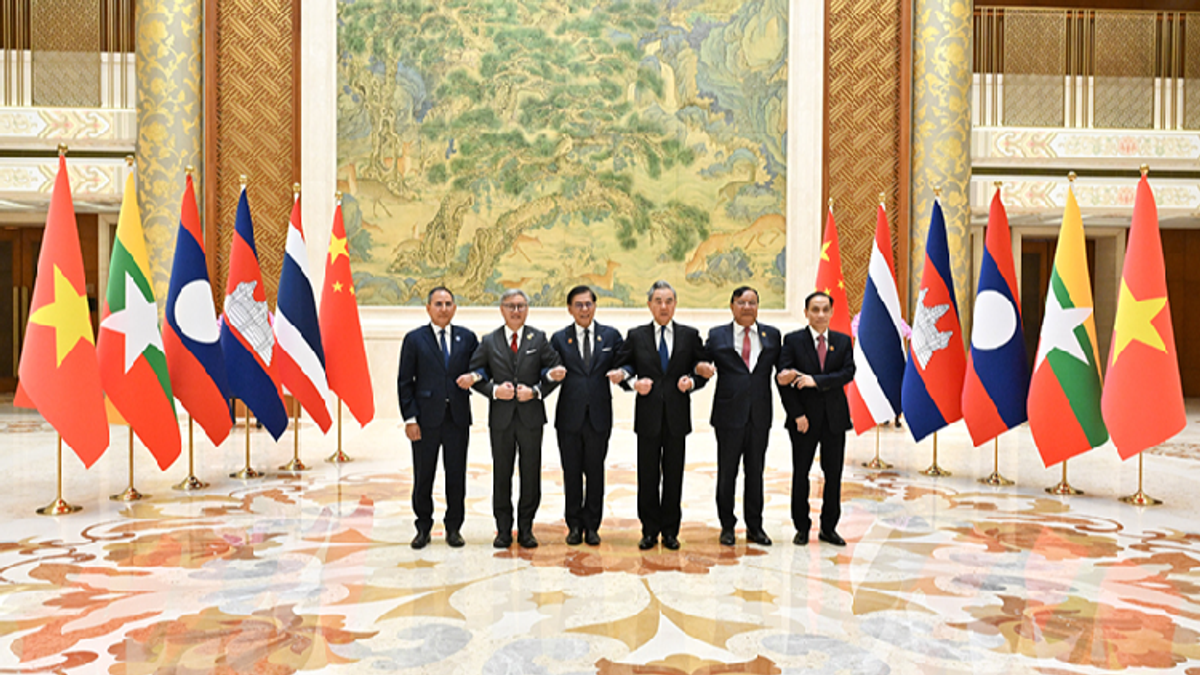
Chinese Foreign Minister Wang Yi recently hosted his counterparts from the Lancang-Mekong Cooperation (LMC) countries in Beijing for their 11th Foreign Ministers' Meeting. The gathering, held on November 4, 2026, saw Wang Yi present a five-point proposal aimed at deepening regional integration, fostering economic growth, enhancing security, and improving disaster governance. China emphasized a commitment to improving people's well-being and ushering in a
The LMC is a multilateral cooperation framework established by China and the five downstream Mekong countries: Myanmar, Laos, Thailand, Cambodia, and Vietnam. It aims to promote economic development, social progress, and regional stability through various projects and initiatives, often focusing on infrastructure and resource management.
China's numerous hydropower dams on the Lancang River (upper Mekong) regulate water flow, trapping sediment and altering the river's natural flood-pulse cycle. This can lead to reduced fish stocks, diminished agricultural fertility, increased saltwater intrusion in deltas, and ecological disruptions for millions of people downstream who depend on the river's natural rhythms.
This statement signals China's intent to assert its regional leadership and limit the influence of non-regional powers like the United States and European Union in the Mekong basin. It frames external engagement as potentially disruptive, while positioning the LMC as the primary, unifying framework for regional governance and development, aligning with China's broader strategic interests.
Editor's Note: Analysis is based on interpreting official statements against known geopolitical and environmental realities of the Mekong region. The 'untold story' section specifically addresses common omissions in such narratives.
Source referenced: CGTN
This brief was synthesized by our Editorial Engine and reviewed by The Ground Narrative team.