TRENDING

Sunday, 8 November 2026
----------------------
28 Jumada Al-Awwal 1448 AH
The rapid expansion of AI data centers is straining global energy grids and contributing significantly to carbon emissions. Innovative solutions to capture and reuse their vast waste heat are emerging, but widespread adoption faces significant hurdles.
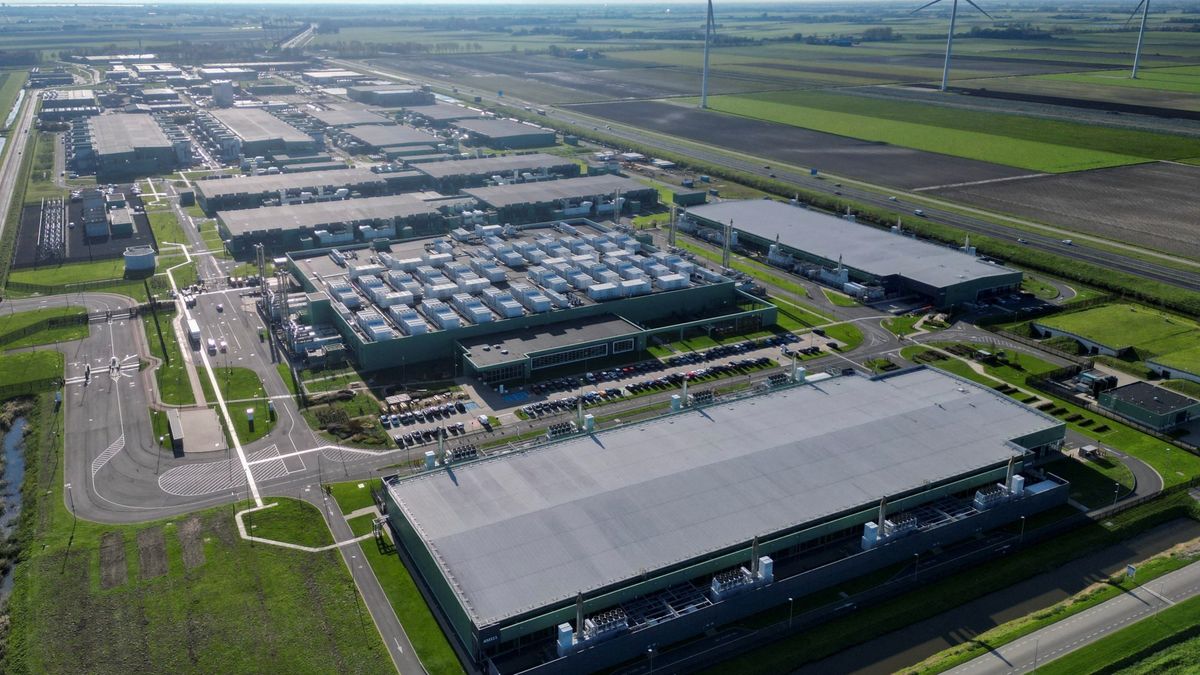
The world is witnessing an unprecedented surge in the construction and operation of Artificial Intelligence (AI) data centers, colossal facilities that power our digital lives. These centers are consuming electricity at an alarming rate, with the International Energy Agency (IEA) reporting that they accounted for 1.5 percent of global electricity supply in 2024—a figure projected to double to 3 percent by 2030. This exponential growth, largely driven by AI development, is placing immense strain on national power grids and exacerbating the global energy crisis. Compounding the issue, these data centers generate vast amounts of "waste heat" that is typically vented into the atmosphere, contributing to global warming. However, engineers in countries like Denmark are pioneering solutions to capture and repurpose this heat, channeling it into district heating networks for homes and industrial processes, offering a potential pathway to mitigate the environmental and energy costs of our increasingly AI-driven world.
The current landscape of AI data center expansion is a stark illustration of concentrated power dynamics. At its core, the surge is driven by a handful of hyperscalers—tech giants like Google, Amazon, and Microsoft—whose insatiable demand for processing power fuels the construction of these energy-intensive facilities. Their primary incentive is to expand their AI capabilities and cloud services, securing market dominance in a rapidly evolving digital economy. This pursuit often prioritizes speed and cost-efficiency, leading them to establish data centers where land is cheapest and regulatory oversight is minimal, rather than where the environmental or energy integration benefits are highest.
The power of these corporations is so immense that they can dictate terms to local governments, often securing significant tax breaks and other incentives. This dynamic was recently highlighted in Texas, where Elon Musk relocated his AI and SpaceX operations, benefiting from such concessions. The local backlash, including the election of a Democratic senator despite Musk's substantial Republican campaign funding, underscores the growing public frustration with this corporate leverage.
National energy grids, designed for more predictable consumption patterns, are struggling to keep pace with the sudden, massive, and often localized demands of these data centers. The United Nations Economic Commission for Europe (UNECE) has explicitly warned that the rapid expansion of these facilities poses a "growing threat to electricity systems worldwide." This creates a critical dilemma for governments: how to balance the perceived economic benefits of hosting tech giants with the imperative of energy security and climate action. Many nations are simultaneously striving for energy independence and aggressive CO2 emission reductions, goals directly challenged by the unchecked growth of AI infrastructure.
The nascent solutions, such as those developed by Danfoss in Denmark, present a counter-narrative. They demonstrate that a business case exists for integrating data centers into a circular energy economy. By recovering 100 percent of waste heat and feeding it into municipal district heating networks, these technologies transform a liability into an asset. However, the widespread adoption of such systems faces significant structural hurdles. It requires substantial initial investment, integrated urban planning, and a shift away from the traditional, siloed approach to energy infrastructure. The power to enact these changes often rests with local municipalities and national governments, who must overcome the inertia of established energy systems and the lobbying power of corporations resistant to additional costs or regulatory burdens.
The rapid proliferation of AI data centers, while powering our increasingly digital lives, comes with a substantial and often invisible human cost, borne by ordinary citizens and the environment they depend on.
The most immediate impact on people is the strain on existing electricity grids. As data centers demand enough power to supply small cities, local grids can become overloaded, leading to increased instability, the risk of blackouts, and the need for costly infrastructure upgrades. These costs are ultimately passed on to consumers through higher electricity bills or absorbed by taxpayers. For communities already grappling with energy poverty, this additional burden can be significant, making essential services less affordable.
Beyond electricity consumption, data centers are also massive consumers of water—hundreds of billions of liters annually—for cooling. In regions already facing water scarcity, this demand can exacerbate existing crises, impacting agriculture, local ecosystems, and drinking water supplies. The cumulative contribution of these facilities to global warming, through their energy demands and waste heat, translates into more frequent and intense extreme weather events, impacting human health, food security, and displacement. Local communities near data centers often face noise pollution from cooling systems, visual blight from vast industrial complexes, and the general environmental footprint of large-scale industrial development.
Around the world, citizens are increasingly pushing back against the unchecked expansion of these facilities. In the Netherlands, protests against a new Microsoft data center near Amsterdam led to arrests, reflecting widespread anger. These communities often feel voiceless in decisions that profoundly impact their local environment and quality of life. The promise of jobs or tax revenue often fails to outweigh concerns about environmental impact, resource depletion, and the feeling of being dictated to by distant, powerful corporations. The democratic process itself can be undermined when corporate interests, backed by significant financial resources, appear to override local concerns.
While the benefits of AI are often touted as universal, the costs are disproportionately borne. The convenience of instant information, advanced analytics, and powerful digital tools primarily accrues to those with access to technology and the corporations that develop it. Meanwhile, the environmental and economic burdens of powering this infrastructure fall on global populations, particularly those in less developed regions or marginalized communities who are least equipped to adapt to climate change and rising energy costs. This creates a widening gap between those who profit from the digital revolution and those who pay its hidden price.
Behind the narratives of technological progress and innovation, powerful actors often downplay, omit, or strategically reframe critical aspects of AI's energy footprint and its broader societal implications. The full story reveals a complex interplay of corporate responsibility, policy gaps, and the selective presentation of facts.
Official statements from tech giants often highlight their commitments to renewable energy or carbon neutrality for their operations. While commendable, this often omits the vast upstream and downstream emissions associated with AI. This includes the energy-intensive manufacturing of specialized hardware (chips, servers), the massive computational power required for training complex AI models (which can consume as much energy as several homes over their lifetime), and the environmental impact of disposing of rapidly obsolete equipment. The "green" initiatives often focus on operational energy, leaving a significant portion of AI's true carbon footprint unaddressed or externalized. There's a lack of transparent, standardized reporting that accounts for the entire lifecycle of AI systems, allowing companies to present a more favorable environmental image than reality might suggest.
Hyperscalers like Google, Amazon, and Microsoft operate under immense pressure from shareholders to demonstrate continuous growth and profitability. This imperative often overshadows genuine, proactive investment in sustainable infrastructure solutions that might impact short-term margins. While they may invest in renewable energy projects, the core business model still relies on ever-increasing data center capacity, which inherently drives up energy demand. The focus on securing tax breaks and cheap land, as seen with Elon Musk's operations in Texas, reveals a prioritization of financial advantage over integrated, sustainable community development. The narrative often shifts the burden of solutions to governments or smaller innovators, rather than acknowledging the tech giants' primary role in creating the demand.
There's a pervasive narrative that AI is an unalloyed good, an engine of progress that will solve humanity's greatest challenges. While AI offers immense potential, this framing often downplays its resource intensity, suggesting that any negative impacts are merely temporary "growing pains" that will eventually be resolved by more innovation. This perspective can stifle critical examination of AI's fundamental resource demands and delay the implementation of necessary regulatory frameworks or infrastructure investments. It creates a blind spot, diverting attention from the urgent need to manage AI's physical footprint today.
The slow adoption of waste heat recovery technologies, despite their proven efficacy in places like Scandinavia, highlights a significant policy gap. Many governments have yet to mandate or strongly incentivize the integration of data centers with local district heating networks or industrial processes. The absence of comprehensive, forward-looking energy and land-use planning means that data centers are often built in isolation, without considering their potential to contribute to local energy needs. This fragmented approach allows for the continuation of inefficient practices, where valuable energy is simply wasted because the political will or regulatory framework to enforce integration is missing. The existing energy infrastructure in many countries is not designed for such symbiotic relationships, and the political capital required to overhaul it is often deemed too high.
While energy consumption often dominates the discourse, the massive water consumption of data centers is frequently downplayed. Cooling systems require billions of liters of water annually, a critical resource that is becoming increasingly scarce globally. In many regions, this demand places additional stress on local water supplies, impacting agriculture, ecosystems, and human consumption. The focus on carbon emissions, while vital, can inadvertently obscure this equally pressing environmental challenge, allowing tech companies to avoid full accountability for their overall ecological footprint.
The coming years will be crucial in determining how the world manages the energy demands of AI and the proliferation of data centers. Several key areas warrant close attention as the power dynamics continue to shift.
First, observe the evolution of government policy and regulation. Will nations move beyond warnings from bodies like the IEA and UNECE to implement concrete mandates for data center energy efficiency, waste heat recovery, and water usage? Look for examples where local governments or national legislatures introduce strict zoning laws, energy performance standards, or require data centers to connect to district heating networks as a condition for operation. The speed and scope of such regulations, particularly outside of environmentally progressive regions like Scandinavia, will be a critical indicator of political will.
Second, pay close attention to the escalation of local resistance and community activism. The protests seen in the Netherlands and the political backlash in Texas are not isolated incidents. As more data centers are planned and built, expect increased public scrutiny and organized opposition from communities concerned about environmental impact, resource depletion, and the perceived lack of local control. The ability of these grassroots movements to influence permitting processes, electoral outcomes, and corporate behavior will be a significant factor in shaping where and how future data centers are developed.
Third, monitor the rate of technological adoption and innovation in waste heat recovery and sustainable cooling. While companies like Danfoss have demonstrated viable solutions, their widespread implementation hinges on economic incentives and regulatory pressure. Watch for major hyperscalers to invest more aggressively in these technologies, not just as pilot projects, but as standard practice across their global portfolios. Any breakthroughs in making these systems more cost-effective or easier to integrate into diverse urban and industrial landscapes could accelerate their adoption.
Finally, scrutinize the corporate narratives and accountability of tech giants. Will the pressure from investors, regulators, and the public force Google, Amazon, and Microsoft to move beyond greenwashing and make genuine, transparent commitments to reducing their overall environmental footprint, including the full lifecycle emissions and water consumption of their AI infrastructure? Look for independent audits and verifiable data, rather than self-reported metrics, to assess their true progress. The balance between unchecked corporate growth and a sustainable future for AI will largely depend on the willingness of these powerful actors to prioritize long-term ecological responsibility over short-term profit maximization.
Source referenced: ALJAZEERA
This brief was synthesized by our Editorial Engine and reviewed by The Ground Narrative team.