TRENDING

Monday, 5 October 2026
----------------------
24 Rabi' Al-Thani 1448 AH
A former UN official has issued a stark warning that the unfolding crisis in El Obeid, Sudan, could surpass the severity of the 2024-2025 El Fasher catastrophe. The alert underscores the escalating humanitarian and strategic implications of the ongoing conflict between the Sudanese Armed Forces and the Rapid Support Forces.
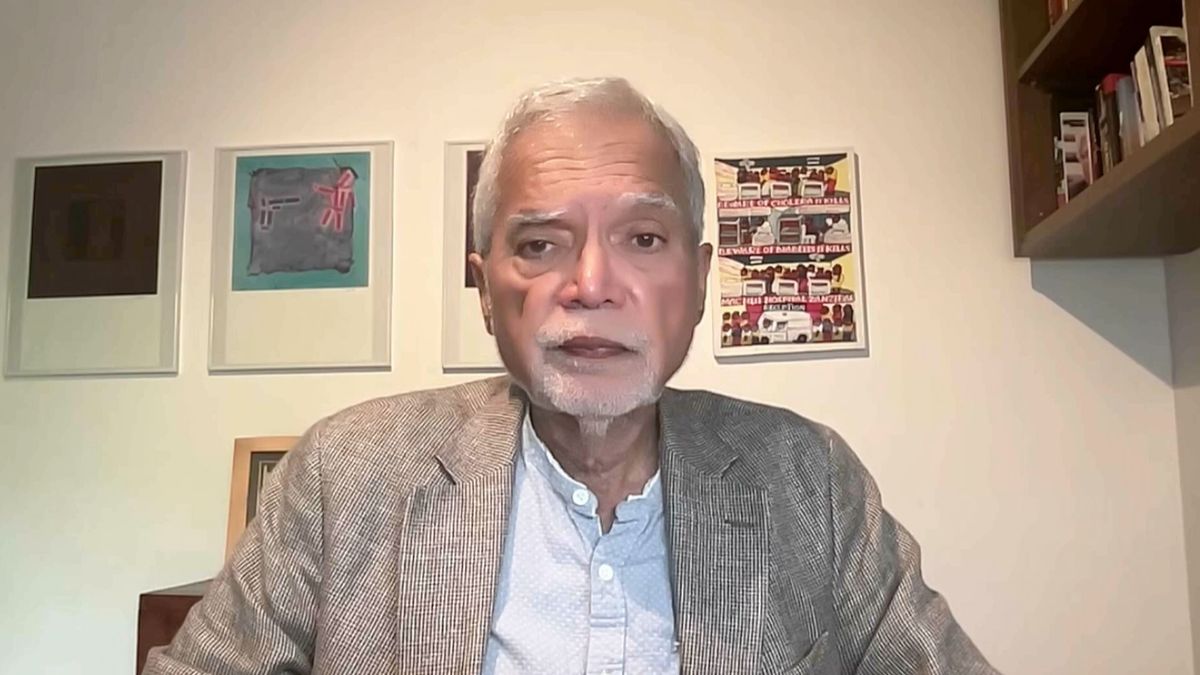
Dr. Mukesh Kapila, a former UN Humanitarian Coordinator for Sudan, has issued a grave warning regarding the deteriorating situation in El Obeid, the capital of North Kordofan state. Speaking on July 4, 2026, Dr. Kapila cautioned that the crisis in El Obeid could potentially be more severe than the humanitarian disaster witnessed in El Fasher during 2024-2025. This assessment highlights the deepening humanitarian catastrophe and the strategic shifts occurring within Sudan's protracted conflict.
El Obeid holds immense strategic importance within Sudan. Situated in the central part of the country, it serves as a critical logistical and transportation hub, connecting the capital Khartoum to the western Darfur region and the southern states. Its control is vital for supply lines, military movements, and humanitarian access across a vast swathe of Sudan. The city's destabilization or potential fall to the Rapid Support Forces (RSF) would not only trigger a massive humanitarian crisis but also significantly alter the balance of power in the ongoing conflict between the RSF and the Sudanese Armed Forces (SAF). A severe crisis in El Obeid would disrupt vital trade routes, impede the delivery of essential aid, and likely lead to further mass displacement, exacerbating regional instability.
Dr. Kapila's comparison of El Obeid to El Fasher is particularly alarming. El Fasher, the capital of North Darfur, endured a brutal siege and intense fighting between 2024 and 2025, resulting in widespread civilian casualties, mass displacement, and severe humanitarian deprivation. The conflict there saw critical infrastructure destroyed and aid routes blocked, leading to a dire situation for hundreds of thousands of people. The warning that El Obeid could be 'worse' suggests an anticipated scale of violence, displacement, and humanitarian suffering that could exceed even the grim realities of Darfur. This implies a potential for more extensive targeting of civilians, systematic destruction, and a more profound breakdown of social and administrative structures, driven by the RSF's operational tactics.
The former UN official explicitly points to the RSF as the primary actor whose actions need deterrence. The RSF, a paramilitary group, has been accused of widespread human rights abuses, including extrajudicial killings, sexual violence, and looting, in areas under its control. Their strategy often involves besieging cities, cutting off supplies, and engaging in urban warfare that disproportionately affects civilians. The call for deterrence underscores the international community's concern over the RSF's conduct and its potential to inflict severe harm on the civilian population of El Obeid, mirroring patterns observed in Khartoum, Darfur, and other conflict-affected regions.
Dr. Kapila's assertion that sustained international attention and media coverage, specifically mentioning Al Jazeera, could help deter the RSF highlights a critical aspect of modern conflict resolution and humanitarian advocacy. In situations where traditional diplomatic or military interventions are stalled or ineffective, global public awareness can exert significant pressure on belligerent parties and their external backers. Increased visibility can mobilize humanitarian aid, prompt diplomatic initiatives, and potentially expose perpetrators of atrocities to international scrutiny and accountability. The lack of consistent international focus on Sudan's multifaceted crisis has often been cited as a factor contributing to its escalation, making Dr. Kapila's call a plea for renewed global engagement to prevent a further descent into chaos.
The potential escalation in El Obeid carries significant geopolitical implications. A further unraveling of Sudan would deepen one of the world's most severe humanitarian crises, leading to increased refugee flows into neighboring countries, thereby destabilizing an already fragile region. It could also create a vacuum for external actors to exploit, further complicating peace efforts and potentially prolonging the conflict. The international community faces a critical juncture: either to heed warnings like Dr. Kapila's and intensify diplomatic and humanitarian efforts, or risk witnessing another catastrophic chapter in Sudan's tragic civil war, with long-term consequences for regional stability and global humanitarian norms.
Source referenced: ALJAZEERA
This brief was synthesized by our Editorial Engine and reviewed by The Ground Narrative team.


