TRENDING

Monday, 26 October 2026
----------------------
15 Jumada Al-Awwal 1448 AH
Egypt's parliament has authorized military support for Saudi Arabia, a move driven by economic ties and Red Sea security concerns as Houthi attacks intensify. This decision carries significant human and strategic costs, particularly for the people of Yemen and Egypt's own fragile economy.
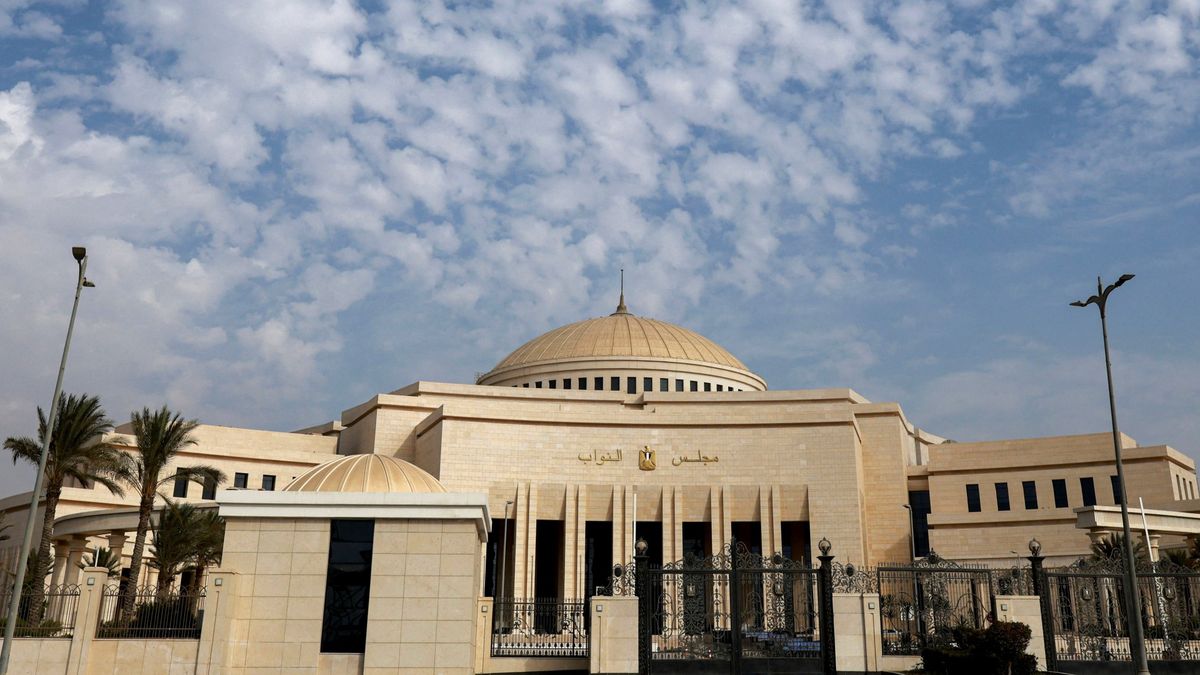
Egypt's parliament has formally authorized President Abdel Fattah el-Sisi to provide military support to Saudi Arabia. This decision comes in response to intensifying attacks by Yemen's Iran-aligned Houthi forces on key Saudi targets, including Riyadh's international airport and Aramco facilities, as well as threats to vital Red Sea shipping lanes. While Cairo has stressed that any intervention would be limited to defending Saudi territory and borders, and continues to advocate for a diplomatic settlement, the parliamentary vote signals a potential deepening of Egypt's involvement in a conflict with far-reaching regional implications.
Cairo's decision is not a simple act of solidarity; it is a calculated move born from a complex interplay of economic necessity, national security imperatives, and regional power dynamics. Egypt finds itself in a strategic bind, where its economic stability is deeply intertwined with its political alignment.
Saudi Arabia is a pivotal economic partner for Egypt, providing substantial financial aid, investments, and remittances that are crucial to propping up the Egyptian economy. This parliamentary authorization is, in part, a reciprocal gesture, a political payment for continued financial lifelines from the Gulf. For President el-Sisi, demonstrating strong leadership and protecting national interests, particularly economic ones, is paramount for maintaining domestic stability and legitimacy. While a direct ground intervention in Yemen carries high political risks, a naval or air defense role in Saudi Arabia is perceived as a more manageable commitment, aligning with Egypt's constitutional requirement for parliamentary approval for combat missions abroad.
A more immediate and direct concern for Egypt is the security of the Red Sea and the Bab al-Mandeb strait, the narrow gateway to the Suez Canal. This waterway is not just a regional asset; it is a global trade artery and a significant source of foreign currency for Egypt. Houthi attacks near or within this vital maritime corridor directly threaten Egypt's canal revenues, which are essential for its economy. Protecting this artery is therefore not merely about regional stability; it is about safeguarding Egypt's economic survival and its position in global trade.
For Riyadh, the authorization of Egyptian military support is a welcome development. Saudi Arabia has been embroiled in a protracted and costly conflict in Yemen since 2015, and it seeks to externalize some of the burdens and risks. By securing Egyptian military backing, even if limited to defensive roles, Saudi Arabia gains a symbolic and potentially practical ally. This move signals broader regional solidarity against the Houthi threat and, by extension, against perceived Iranian influence. It allows Saudi Arabia to project a more robust, multilateral response without necessarily committing more of its own forces to direct combat operations in Yemen.
The Houthis' intensified attacks on Saudi infrastructure and their threats to Red Sea shipping are a calculated strategy. Their aim is to escalate pressure on Saudi Arabia and its allies, forcing concessions or a more favorable negotiating position. By demonstrating their capacity to inflict economic pain and destabilize key regional trade routes, they assert their power beyond Yemen's borders. These actions are a clear signal that the conflict cannot be contained to Yemen alone, and that the Houthis possess the means to disrupt regional and global commerce.
While not explicitly stated in official reports, the Houthi movement is widely understood to be aligned with Iran. This conflict is a significant proxy battle in the broader Saudi-Iran regional rivalry for influence. Egypt's move, therefore, also serves as a subtle counter-signal to Tehran, indicating a united front among some Arab states against perceived Iranian expansionism. This complex geopolitical chessboard means that every military or diplomatic maneuver carries implications for the delicate balance of power in the wider Middle East.
The consequences of this decision, and the broader conflict it addresses, are not abstract geopolitical maneuvers; they are profoundly human, impacting millions across the region and beyond.
The most immediate and devastating human cost falls upon the people of Yemen. Intensified fighting, whether through Houthi attacks or a broader coalition response, deepens an already catastrophic humanitarian crisis. Millions face starvation, displacement, and a collapsed healthcare system. Any escalation, even if framed as defensive, will inevitably lead to more civilian casualties, further infrastructure destruction, and prolonged suffering for a population already at breaking point. The conflict has created one of the world's worst humanitarian disasters, and additional military involvement only exacerbates this tragedy.
While Egypt's military involvement might be limited, the potential for escalation carries significant risks for its citizens.
A prolonged disruption of Red Sea shipping, even if Egypt partially mitigates it, would severely impact Suez Canal revenues. This directly translates into economic hardship for ordinary Egyptians. The country's economy, already fragile and heavily reliant on external aid and tourism, cannot afford further shocks. Reduced trade flows mean higher prices for imported goods, decreased foreign currency reserves, and reduced job opportunities, all of which contribute to social unrest and instability.
Even a
Egypt's decision is driven by economic dependence on Saudi financial support and the critical need to secure the Suez Canal and Red Sea shipping lanes, which are vital for its economy. Houthi attacks threaten these routes, prompting Cairo to align with Riyadh's defense efforts.
Egypt risks being drawn deeper into the complex Yemen conflict, potentially exposing its military personnel to direct combat. Economically, prolonged Red Sea instability could further reduce Suez Canal revenues, exacerbating Egypt's already fragile financial situation and potentially leading to domestic unrest.
The people of Yemen bear the most severe human cost, facing intensified humanitarian crises, starvation, and displacement due to ongoing conflict. Egyptian citizens also face potential economic hardship from disrupted trade and the risks associated with military engagement.
Editor's Note: Analysis focuses on the underlying power dynamics and human costs, adhering strictly to TGN's editorial doctrine, with a strong emphasis on the economic drivers and geopolitical implications for all actors involved.
Source referenced: ALJAZEERA
This brief was synthesized by our Editorial Engine and reviewed by The Ground Narrative team.