TRENDING

Wednesday, 21 October 2026
----------------------
10 Jumada Al-Awwal 1448 AH
The Ebola outbreak in the Democratic Republic of Congo has surged past 1,300 deaths, with the virus spreading rapidly due to a lack of approved vaccines and treatments. The crisis has significant geopolitical and public health implications, requiring a coordinated response from the international community.
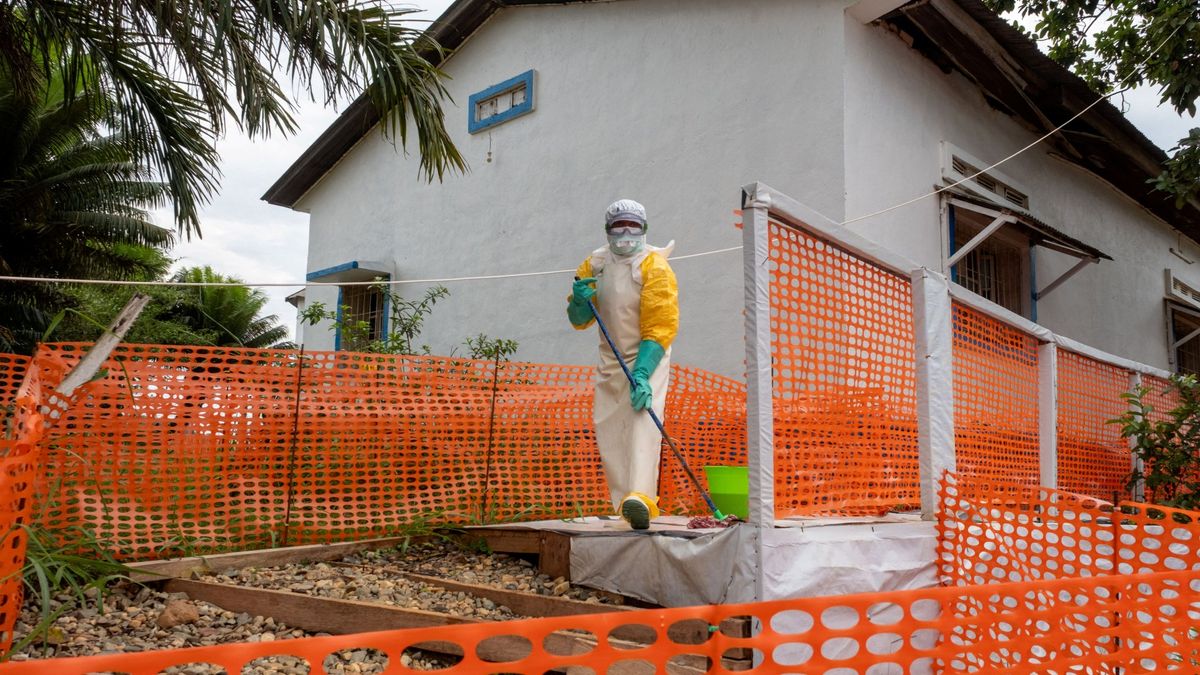
The Ebola outbreak in the Democratic Republic of Congo (DRC) has reached alarming levels, with over 1,300 deaths reported. This surge in cases is attributed to the Bundibugyo variant, which is the rarest of the four known Ebola variants and has no approved vaccines or treatments. The rapid spread of the virus has made the DRC epidemic the fastest-spreading Ebola outbreak ever documented.
The DRC has a history of experiencing Ebola outbreaks, with the largest and deadliest outbreak occurring between 2013 and 2016. This outbreak resulted in over 11,000 deaths and highlighted the need for improved public health infrastructure and coordination. The current outbreak is unfolding in an area of active hostilities, compounding the shortage of public health resources common to African governments confronting outbreaks.
The Ebola outbreak in the DRC has significant geopolitical implications, particularly in the context of the ongoing conflict in eastern DRC. The crisis has led to a lack of coordination and urgency in the government's response, leaving medical personnel overstretched and working in poor conditions. The death toll among health workers continues to climb, with over 100 infected and around 35 dead.
The international community has responded to the crisis, with the World Health Organization (WHO) declaring the outbreak a global health emergency in May. However, the response has been hindered by the conflict in eastern DRC, which has restricted access to affected communities. The WHO has called for a ceasefire in the conflict, arguing that medical resources alone are not enough to tackle the crisis, and political action is needed to open up access for responders.
The Ebola outbreak in the DRC has the potential to become the worst outbreak the world has ever documented if left unchecked. The international community must act swiftly to provide support to the DRC government and coordinate a response to the crisis. This includes providing medical resources, personnel, and equipment, as well as addressing the root causes of the conflict and promoting a ceasefire.
The Ebola outbreak in the DRC is a complex crisis that requires a coordinated response from the international community. The rapid spread of the virus, lack of approved vaccines and treatments, and ongoing conflict in eastern DRC make this outbreak particularly challenging. It is essential that the international community comes together to support the DRC government and address the root causes of the crisis to prevent further spread of the virus and mitigate its impact on the region.
Editor's Note: The analysis is based on available data and information, but the true number of cases could be more than double the official count due to insecurity and restricted access to affected communities.
Source referenced: ALJAZEERA
This brief was synthesized by our Editorial Engine and reviewed by The Ground Narrative team.