TRENDING

Monday, 5 October 2026
----------------------
24 Rabi' Al-Thani 1448 AH
A devastating Ebola outbreak in the Democratic Republic of Congo has claimed over 400 lives, highlighting the country's fragile healthcare system and regional instability.
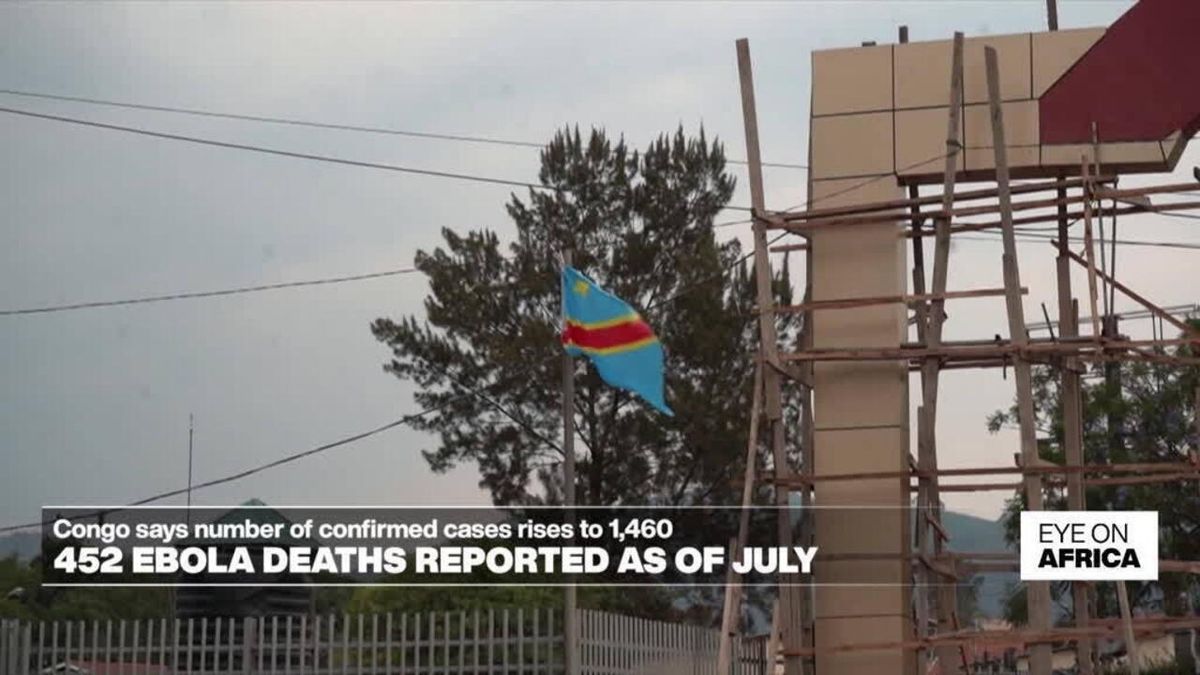
The Democratic Republic of Congo (DRC) is grappling with a severe Ebola outbreak, which has resulted in over 400 deaths. The crisis has spread beyond its original hotspot, with a new case detected nearly 600 kilometers away. This development raises concerns about the regional implications and global responses to the outbreak.
The DRC has a history of dealing with Ebola outbreaks, with the first reported case dating back to 1976. However, the current outbreak is particularly concerning due to its rapid spread and the country's fragile healthcare system. The DRC's healthcare infrastructure has been weakened by years of conflict, corruption, and underfunding.
The Ebola outbreak in the DRC has significant regional implications. The country shares borders with several countries, including the Republic of Congo, South Sudan, and Uganda, which are also vulnerable to the spread of the disease. The outbreak has already led to a significant increase in cases in neighboring countries, highlighting the need for a coordinated regional response.
The Ebola outbreak in the DRC has raised global concerns about the spread of infectious diseases. The World Health Organization (WHO) has declared the outbreak a Public Health Emergency of International Concern (PHEIC), which has triggered a global response. The WHO has deployed teams to the DRC to support the country's response to the outbreak.
The DRC's response to the Ebola outbreak is also driven by strategic motivations. The country is seeking to demonstrate its ability to manage the crisis and maintain stability in the region. The international community is also motivated to respond to the outbreak, as it has significant implications for global health security.
The future consequences of the Ebola outbreak in the DRC are uncertain. However, it is likely that the outbreak will continue to spread, putting additional pressure on the country's healthcare system. The international community must remain vigilant and continue to support the DRC's response to the outbreak.
The Ebola outbreak in the DRC is a growing concern that requires a coordinated regional and global response. The crisis highlights the need for improved healthcare infrastructure, increased funding, and enhanced preparedness for infectious disease outbreaks. The international community must work together to support the DRC's response to the outbreak and prevent its spread to other countries.
Editor's Note: The analysis is based on available data and information, but the future consequences of the outbreak are uncertain.
Source referenced: FRANCE24
This brief was synthesized by our Editorial Engine and reviewed by The Ground Narrative team.


