TRENDING

Wednesday, 11 November 2026
----------------------
1 Jumada Al-Thani 1448 AH
Incoming Democratic lawmakers announced that impeaching Pete Hegseth will be a cornerstone of their agenda. The pledge signals a sharp shift in congressional oversight of the Pentagon.
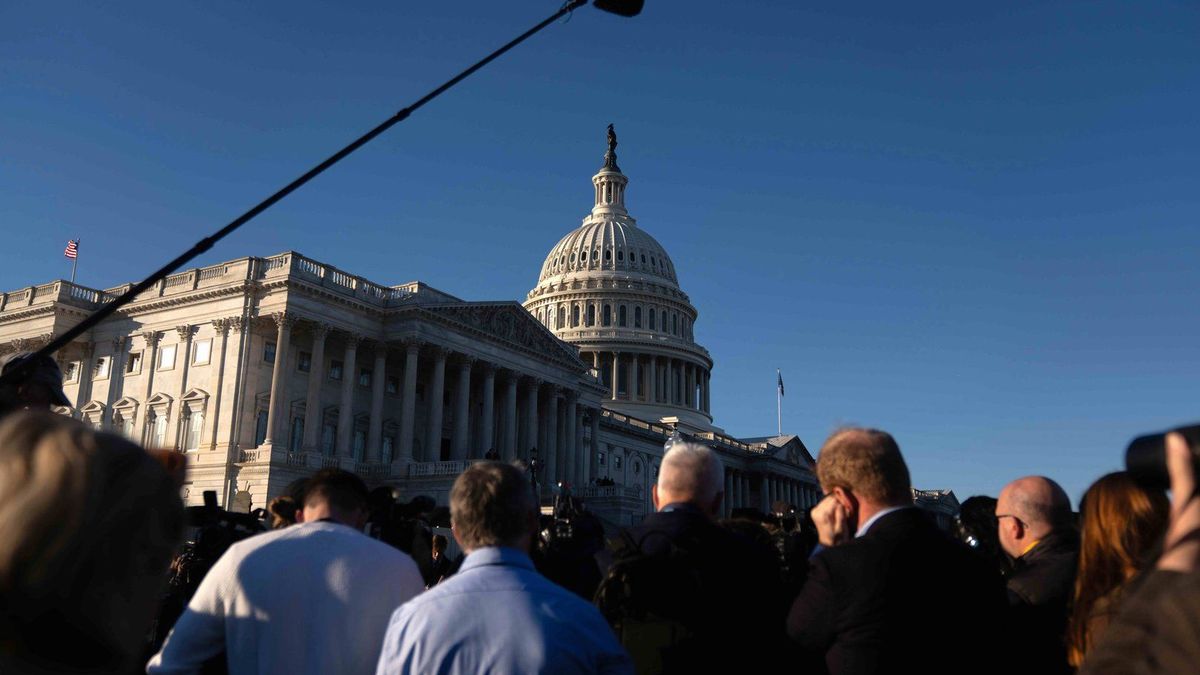
Newly‑elected members of the Democratic Party toured the Capitol for the first time on November 10, 2026, and used the occasion to signal that holding Defense Secretary Pete Hegseth accountable will be a priority when they take office on January 3, 2027. While the impeachment resolution is still in its early stages, the fresh cohort of legislators—many of whom won seats in the 2026 midterms on promises of reform—publicly pledged to pursue the bid, framing it as a moral and political imperative.
The push to impeach Hegseth sits at the intersection of several structural forces. First, the Democratic caucus is still reeling from a narrow loss in the 2026 midterms, which left them with a slim majority in the House. In that context, a high‑profile impeachment serves both as a rallying point for the party base and a way to demonstrate legislative vigor before the new session begins. Second, the defense establishment has long operated with a high degree of autonomy, protected by the National Defense Authorization Act and a culture of deference to military expertise. By targeting the civilian head of the Pentagon, the incoming lawmakers aim to recalibrate that balance, reminding the Department of Defense that its budgetary and operational decisions are subject to political scrutiny.
Economic trade‑offs also matter. The U.S. defense industry accounts for roughly 3.5% of national GDP and employs millions directly and indirectly. Any move that threatens senior leadership can create uncertainty for contractors, potentially slowing procurement cycles and affecting jobs in states that depend heavily on defense contracts, such as Virginia, Alabama, and Texas. The impeachment bid therefore forces a calculus: the political capital gained by appearing tough on perceived misconduct versus the risk of unsettling a sector that fuels local economies and contributes to the federal budget surplus.
Finally, the impeachment process itself is a constitutional lever that can be weaponized for partisan advantage. The Constitution grants the House the sole power of impeachment, but the Senate conducts the trial. With the Republican‑controlled Senate likely to defend Hegseth, the Democrats must weigh whether the symbolic act of bringing charges outweighs the practical odds of removal. The move can still serve as a bargaining chip in future negotiations over defense spending, foreign policy, and the broader agenda of the 2027 Congress.
If the impeachment debate escalates into a protracted political showdown, service members could feel the ripple effects. Uncertainty about leadership often translates into hesitancy in procurement decisions, delaying the delivery of equipment to troops stationed abroad. For infantry units in Europe or the Indo‑Pacific, a slowdown in modernizing armor, aircraft, or cyber defenses can increase operational risk, potentially endangering lives.
Cities like Huntsville, Alabama, and Norfolk, Virginia, whose economies are intertwined with defense contracts, could see short‑term job insecurity if contractors pause projects pending the outcome of the impeachment. While the long‑term impact is uncertain, families in these regions already face housing market volatility tied to federal spending cycles.
The impeachment process itself incurs costs—staff time, legal fees, and the logistical expenses of a Senate trial. In a fiscal environment where the federal deficit hovers near historic highs, allocating resources to a politically charged proceeding diverts attention from pressing needs such as infrastructure, health care, and climate resilience. Moreover, the public’s trust in institutions can erode if impeachment is perceived as a partisan stunt rather than a genuine accountability measure.
Official statements from the Department of Defense have emphasized continuity and the importance of “stable civilian leadership.” Behind the scenes, senior Pentagon officials have reportedly engaged lobbyists to shape the narrative in Washington, emphasizing the potential disruption to ongoing weapons programs. By framing the impeachment as a threat to national security, they aim to rally bipartisan support against the resolution, even as the public discourse focuses on alleged misconduct.
Major defense firms such as Lockheed Martin, Raytheon, and Boeing have not issued public comments, but internal memos leaked to journalists suggest they are quietly assessing the political risk. Their primary concern is not the personal fate of Hegseth, but the stability of the procurement pipeline. A leadership shake‑up could trigger a review of contracts, prompting firms to hedge against possible delays by diversifying their product lines or seeking foreign markets.
Mainstream coverage has largely highlighted the dramatic “impeachment” angle, often quoting the newly‑elected lawmakers’ social‑media posts. Less attention is paid to the substantive allegations that sparked the bid—ranging from alleged procurement irregularities to accusations of mishandling classified information. By focusing on the spectacle, the media may inadvertently downplay the underlying policy failures that could have real consequences for defense readiness and fiscal responsibility.
The next few months will reveal whether the impeachment bid moves beyond rhetoric. Key indicators include: (1) the filing of formal articles of impeachment in the House Judiciary Committee; (2) statements from the Senate Armed Services Committee about how a trial would be conducted; (3) any shift in defense spending bills as the new Congress negotiates the FY2028 budget; and (4) reactions from defense‑heavy districts, where local politicians may pressure their party leadership to protect jobs. Observers should also monitor how the Republican Senate frames the issue—whether they treat it as a partisan attack or a legitimate oversight matter—because that framing will shape the broader narrative about congressional authority over the executive branch.
In the meantime, ordinary Americans should keep an eye on how the debate influences the timing of weapon system deliveries, the stability of defense‑related employment, and the overall tone of political discourse in Washington. The outcome will not only affect the career of one cabinet member but also signal how far elected officials are willing to go to reassert civilian control over the nation’s most powerful institution.
Lawmakers allege procurement irregularities, possible mishandling of classified information, and a pattern of decisions that favored certain contractors. The specifics are still being investigated, and the impeachment articles have not yet been formally drafted.
A prolonged impeachment could create uncertainty in the procurement pipeline, prompting contractors to pause projects. This may temporarily affect employment in defense‑dependent regions, though long‑term impacts depend on the outcome of the process.
Source referenced: ALJAZEERA
This brief was synthesized by our Editorial Engine and reviewed by The Ground Narrative team.