TRENDING

Monday, 19 October 2026
----------------------
8 Jumada Al-Awwal 1448 AH
The Danube River in Romania has reached its lowest water levels in three decades, severely impacting agricultural irrigation, vital shipping routes, and raising concerns for nuclear power plant cooling. This critical situation underscores Europe's growing susceptibility to climate change, with profound implications for regional economies and energy security.
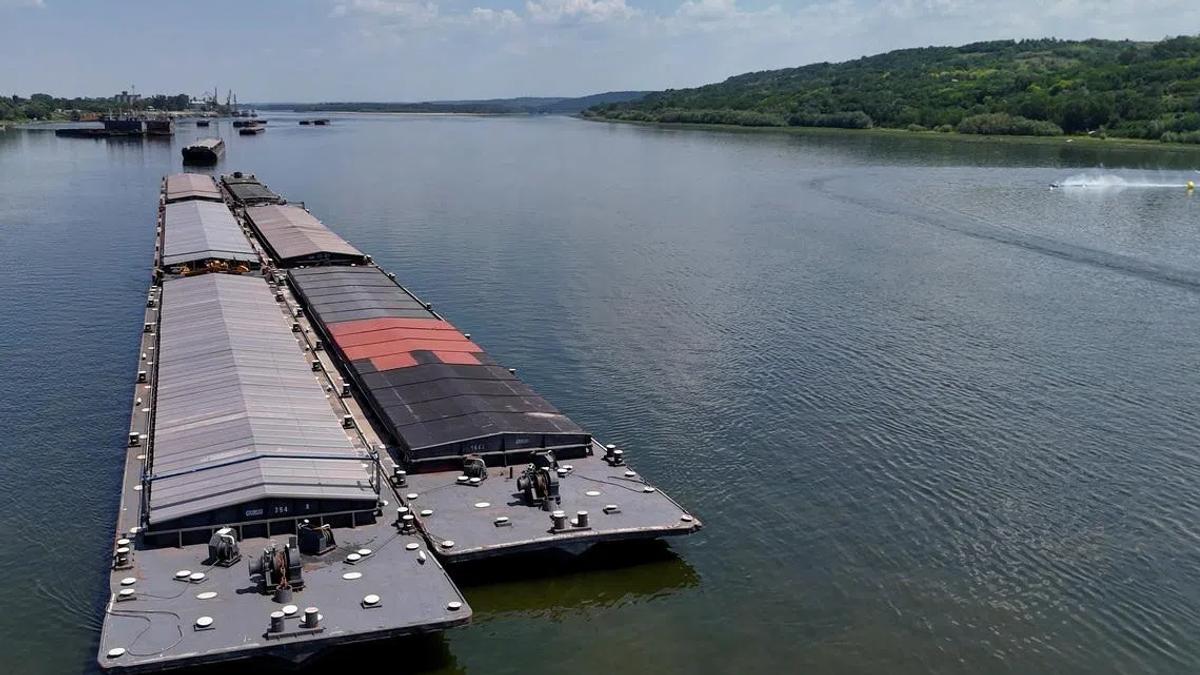
The Danube River, Europe's second-longest waterway, has seen its water levels in Romania plummet to their lowest point since 1996, a development with significant geopolitical and economic ramifications for the region. Reported on July 20, 2026, the immediate consequences include stringent irrigation restrictions for farmers, partial disruptions to commercial shipping and tourism, and heightened vigilance over critical energy infrastructure. This event is a stark illustration of how climate change is directly impacting core economic activities and strategic assets across the European continent.
The precipitous drop in water levels, recorded at 1,700 cubic metres per second at the Romanian entry point—a stark contrast to the July average of 4,700 cubic metres per second—is a direct result of prolonged heatwaves and drought conditions sweeping across Europe. The Reuters Climate Monitor indicated that average peak temperatures in Western Europe were significantly above normal for mid-July, exacerbating the hydrological stress on the river system. Near the Romanian-Bulgarian border, extensive stretches of exposed sand have become visible, leading to the suspension of several ferry services and the immobilization of crucial grain barges.
Romania stands as one of the European Union's largest grain producers and an active exporter. The imposition of water access restrictions for crop irrigation in southeastern Romania directly threatens agricultural output, potentially impacting both domestic food security and the country's position in global grain markets. Disruptions to Danube shipping, a vital artery for trade connecting Central and Eastern Europe to the Black Sea, translate into increased logistical costs, delays in supply chains, and reduced trade efficiency. For a continent heavily reliant on intricate trade networks, such interruptions can ripple through regional economies, affecting various sectors beyond agriculture.
Beyond agriculture and trade, the low Danube levels pose a critical challenge to Romania's energy security. Authorities have been compelled to control water reservoirs to ensure minimum levels required for cooling the two reactors operated by the state nuclear power producer, Nuclearelectrica. Nuclear power plants depend on substantial water volumes for their cooling systems, and a sustained or more severe drought could compromise their operational stability. This situation highlights a growing vulnerability of critical energy infrastructure to climate-induced environmental changes, forcing policymakers to reconsider long-term energy strategies and climate adaptation measures.
The current crisis on the Danube is not an isolated incident but rather a symptom of a broader trend of intensifying extreme weather events across Europe. The recurring nature of heatwaves and droughts underscores the urgent need for robust climate resilience strategies and integrated water management policies across transboundary river basins. The Danube, flowing through ten countries, necessitates coordinated regional efforts to manage water resources sustainably, mitigate the impacts of climate change, and ensure the continued viability of its economic and ecological functions.
For the European Union, this event reinforces the strategic importance of its climate agenda, including the European Green Deal. The economic and security implications of climate-related disruptions—from food supply chain vulnerabilities to energy production risks—are becoming increasingly tangible. While projections indicate a gradual increase in Danube levels from Monday due to anticipated heavy rains in several counties, the underlying fragility of the region's water systems in the face of a changing climate remains a pressing concern. This incident serves as a potent reminder that environmental shifts are increasingly shaping geopolitical realities, demanding proactive and collaborative responses to safeguard economic stability and regional security.
Source referenced: STRAITSTIMES
This brief was synthesized by our Editorial Engine and reviewed by The Ground Narrative team.


