TRENDING

Monday, 19 October 2026
----------------------
8 Jumada Al-Awwal 1448 AH
Ethiopian Prime Minister Abiy Ahmed has appointed an interim administration in the northern Tigray region, aiming for elections within six months. The move follows renewed fighting with the Tigray People's Liberation Front (TPLF) and seeks to restore stability in a region devastated by conflict and humanitarian crisis.
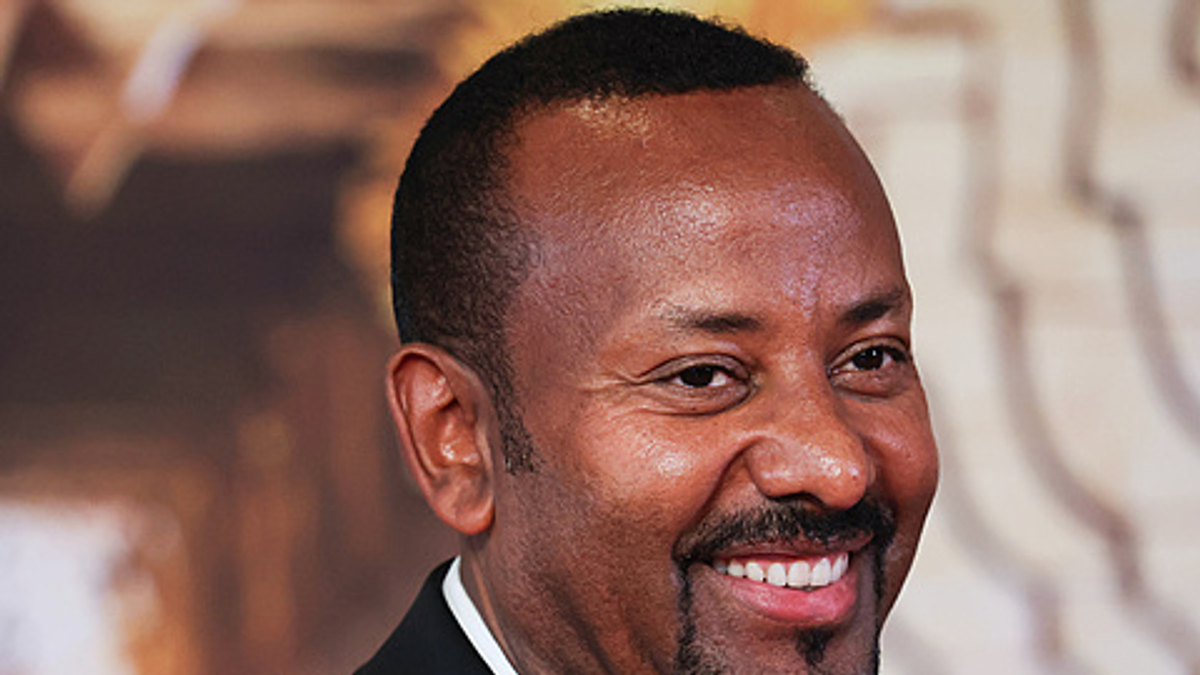
Ethiopian Prime Minister Abiy Ahmed has announced the formation of an interim administration for the northern Tigray region. This move comes in the wake of renewed hostilities between federal forces and the Tigray People's Liberation Front (TPLF), an alliance that reignited a conflict previously responsible for hundreds of thousands of lives between 2020 and 2022. The interim government is tasked with restoring stability, rebuilding institutions, and preparing the ground for regional elections within six months, following reports of significant territorial gains by federal troops, including the capture of the regional capital, Mekelle. Addis Ababa has also accused neighboring Eritrea of supporting the rebel alliance, an allegation Asmara denies.
Prime Minister Abiy Ahmed's decision to install an interim administration in Tigray is a calculated move to consolidate federal authority and reshape the political landscape of the region. For years, the TPLF dominated Ethiopian politics before Abiy's ascent to power in 2018, and its continued influence has been a primary challenge to his vision of a unified, centralized Ethiopia. By appointing a caretaker government, Abiy aims to neutralize the TPLF's political and military leverage, presenting an image of state-led reconstruction and democratic transition to both domestic and international audiences.
This timing, immediately after significant federal military advances and territorial gains, suggests a strategy to impose a new order from a position of strength. The stated goal of elections within six months, while appearing democratic, also serves to legitimize the federal government's intervention and sideline the TPLF from future governance. It places the onus on the new administration to quickly establish control and prepare for a vote that will likely exclude or severely diminish the influence of the former ruling party.
The role of Eritrea in this conflict is a critical, though often obscured, power dynamic. Asmara views the TPLF as a historical adversary, stemming from the border war of 1998-2000 and subsequent decades of animosity. Any weakening of the TPLF is strategically beneficial to Eritrea, which has long sought to prevent its resurgence. Ethiopia's accusations of Eritrean support for the
The interim government, appointed by Prime Minister Abiy Ahmed, aims to restore stability in the Tigray region, rebuild local institutions, and prepare for regional elections within six months. This follows renewed fighting between federal forces and the Tigray People's Liberation Front (TPLF).
The TPLF is a political party that dominated Ethiopian politics for nearly three decades before Abiy Ahmed became Prime Minister in 2018. It has been engaged in a conflict with the federal government since late 2020, seeking greater autonomy for the Tigray region.
Tigray faces severe humanitarian challenges including widespread displacement, with hundreds of thousands still internally displaced. The region also grapples with food insecurity exacerbated by drought conditions and the ongoing conflict, which has devastated infrastructure and hindered aid access.
Source referenced: CGTN
This brief was synthesized by our Editorial Engine and reviewed by The Ground Narrative team.


