TRENDING

Thursday, 12 November 2026
----------------------
2 Jumada Al-Thani 1448 AH
Midterm voters handed Democrats control of both chambers, and Rep. Jason Crow says the new majority will finally use its war‑making authority. The stakes range from the fate of the Iran conflict to the wallets of farmers and patients at risk of losing care.
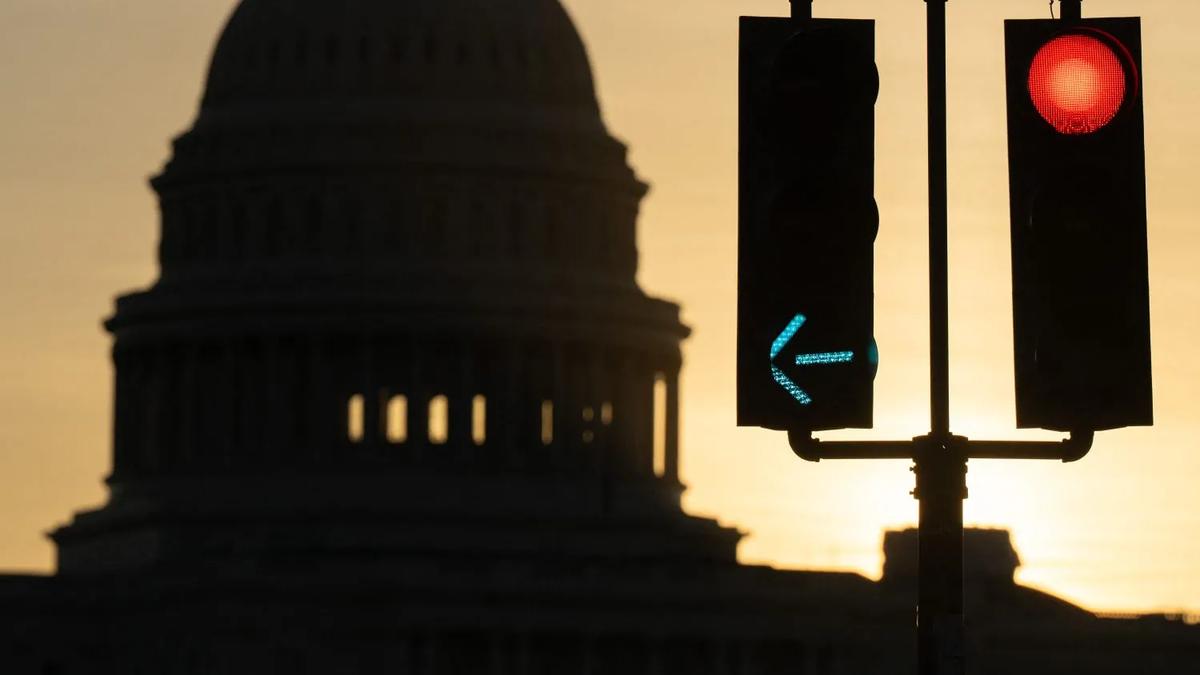
The November midterm elections gave the Democratic Congress a majority in the House and Senate for the first time in a generation. In a televised interview, Colorado Rep. Jason Crow, a former Army Ranger serving on the Armed Services and Intelligence committees, outlined four priorities: ending the war with Iran, halting trade wars that hurt farmers, restoring health‑care subsidies, and launching a broad anti‑corruption drive. He framed these goals as a direct response to voter fatigue with endless conflicts and rising costs at home.
Congressional authority over war rests on two levers: the power to declare war and the power of the purse. For the past quarter‑century, successive United States presidents have relied on vague authorizations that lack sunset clauses, allowing the executive to fund and sustain operations without fresh debate. The result is a self‑reinforcing cycle where the Pentagon’s budget grows, lobbying groups secure contracts, and legislators become accustomed to rubber‑stamping funding.
Democrats now face a calculus that blends electoral incentives with institutional reform. Their base, still energized by anti‑corruption messaging, demands accountability, while moderate voters prioritize tangible economic relief. By targeting the War Powers Act, the new majority can force a vote on each authorization, attach conditions to funding bills, and potentially cut off money to operations deemed unnecessary. However, doing so risks a political backlash from defense‑industry lobbyists and from districts that depend on military spending for jobs.
The internal dynamics of the party also matter. The caucus spans progressive members who want a rapid withdrawal from Iran to centrist leaders wary of appearing soft on national security. The compromise will likely emerge through committee negotiations, where Jason Crow and his allies can leverage their positions to attach war‑powers reforms to broader spending legislation.
Decades of conflict have left more than 7,000 American service members dead and hundreds of thousands wounded. Continued funding means prolonged exposure to combat stress, higher rates of PTSD, and a growing backlog of veterans awaiting medical care.
Trade wars imposed under the previous administration have squeezed farm incomes, especially in the Midwest and Plains states. Tariffs on soy, corn, and livestock feed have driven up costs for both producers and consumers, threatening the viability of family farms that have been the backbone of many communities.
The rollback of Affordable Care Act subsidies has already forced several rural hospitals to close, leaving residents with limited access to emergency care. If the Democratic Congress restores subsidies, it could stave off a cascade of clinic shutdowns that would otherwise push vulnerable populations into medical debt.
While the public narrative emphasizes a moral crusade against endless wars, several powerful interests are quietly shaping the debate. Defense contractors, which collectively earn billions annually from overseas operations, have intensified lobbying efforts to preserve the status quo. Their influence is felt in committee staffing, campaign contributions, and think‑tank research that frames withdrawal as a national‑security risk.
Equally hidden is the strategic calculus of U.S. allies in the Persian Gulf. Countries like Saudi Arabia and the United Arab Emirates have built their security architectures around a U.S. presence that counters Iranian influence. A rapid U.S. pull‑out could destabilize regional balances, forcing allies to seek alternative security arrangements, potentially with Russia or China.
Domestically, the narrative of “ending wars” masks the political risk of appearing weak on defense. Lawmakers from swing districts fear that any perceived concession could be weaponized by opponents in future elections, especially if adversaries exploit perceived gaps to increase their regional footholds.
The coming months will reveal whether the Democratic Congress can translate rhetoric into concrete legislation. Key indicators include:
- Introduction of a revised War Powers Act amendment that adds sunset dates and requires periodic congressional review of each conflict.
- Funding bills that earmark cuts for the Iran operation while protecting base‑level defense spending for allied commitments.
- Legislative moves to reverse tariff structures and restore Affordable Care Act subsidies, which will be measured by the impact on farm income reports and hospital closure statistics.
- Oversight hearings where Jason Crow and other committee chairs summon Pentagon officials to justify continued expenditures.
Observers should also monitor diplomatic channels: any progress in nuclear talks with Iran, shifts in the U.S. stance toward the Gulf coalition, and the response of Russia and China to a potentially less engaged American presence in the Middle East. These threads will determine whether the promised pivot becomes a lasting reorientation or a temporary political flourish.
The stakes are clear: the balance of power between the executive and legislative branches, the livelihoods of rural Americans, and the stability of a volatile region all hinge on how effectively the new Democratic Congress can wield its foreign‑policy authority.
They could add explicit sunset dates to authorizations, require periodic congressional review, and tie funding to compliance with those reviews. This would force the executive to seek fresh approval for prolonged engagements.
A withdrawal could reduce defense‑contract spending that supports jobs in certain districts, but it would also lower the risk of costly escalation, potentially stabilizing markets and freeing resources for domestic priorities like farm subsidies and health‑care funding.
Source referenced: FOREIGNPOLICY
This brief was synthesized by our Editorial Engine and reviewed by The Ground Narrative team.


