TRENDING

Thursday, 12 November 2026
----------------------
2 Jumada Al-Thani 1448 AH
With Democrats now holding majorities in both chambers of Congress, a direct confrontation is unfolding with the White House over planned investigations into the executive branch. This clash pits legislative oversight against claims of executive overreach, setting the stage for intense political and legal battles.
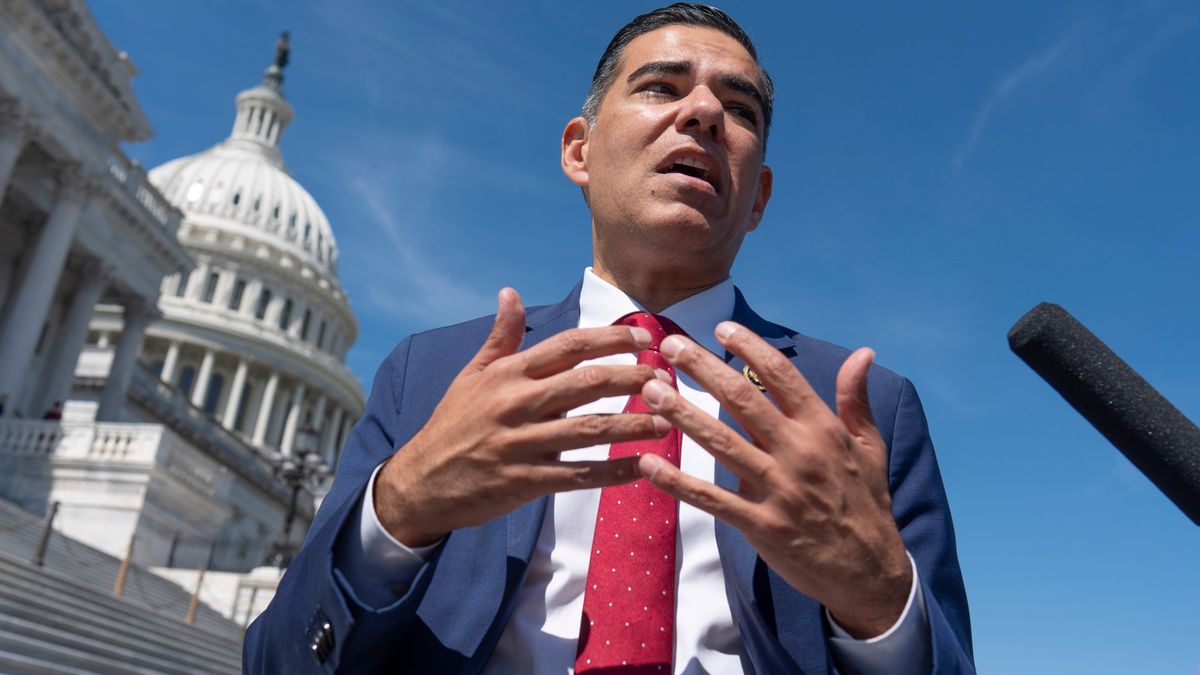
Following significant gains in the November 3 midterm elections, Democrats have secured majorities in both the House of Representatives and the Senate. This shift in power, effective January 3, empowers the incoming Democratic Congress to take control of key committees and launch extensive investigations into the Trump administration. In a pre-emptive move, the White House issued a letter to Democratic Representative Robert Garcia, who is slated to chair the House Oversight Committee, accusing his party of planning to “abuse” its power by pursuing these probes. The letter, penned by White House lawyer William Scharf, argued that Democrats were overstepping constitutional boundaries by seeking to exercise powers of criminal prosecution and intimidate executive officials. Democrats, led by figures like Garcia and House Speaker-designate Hakeem Jeffries, have countered by asserting their constitutional authority to conduct oversight and hold the executive branch accountable, pledging to move forward with subpoenas and potential impeachment proceedings against officials like Secretary of Defense Pete Hegseth.
This escalating confrontation is a classic display of the United States' system of checks and balances in action, albeit under extreme duress. At its core, it's a battle for control over information, narrative, and ultimately, political legitimacy. The legislative branch, specifically Congress, possesses the inherent power to legislate, which necessarily includes the power to investigate and oversee the executive branch. This oversight function is designed to prevent abuse of power, ensure accountability, and inform future legislation. Democrats, having won a clear mandate, are now poised to activate this power fully, using subpoenas to compel testimony and documents from administration officials.
For the White House, the calculus is one of political survival and protection of executive authority. President Donald Trump's administration has consistently pushed back against congressional scrutiny, often invoking executive privilege or simply refusing to cooperate. The letter to Representative Garcia is not merely a legal argument; it is a strategic maneuver to delegitimize future investigations before they even begin. By labeling Democratic intentions as “abuse” and “extortion,” the administration seeks to frame any inquiry as partisan persecution rather than legitimate oversight. This tactic aims to rally its political base, create legal grounds for non-compliance, and potentially deter some officials from cooperating.
The Democrats, on the other hand, are driven by a mix of political imperative and a genuine desire for accountability. Campaign promises often hinged on holding the administration to account for various actions, from military decisions to financial dealings. The aggressive rhetoric from incoming lawmakers, such as Rep. Katy Padilla Stout's call for “corrupt officials and billionaires” to “lawyer up,” reflects both a commitment to these promises and an understanding of the political capital to be gained from high-profile investigations. The threat of impeachment, as seen with Secretary Hegseth, is the ultimate legislative hammer, forcing the executive branch to consider the severe consequences of non-cooperation. This power dynamic is further complicated by the fact that the Department of Justice (DOJ), nominally independent, falls under the executive branch. The White House's suggestion that Democrats' actions could cross into “blatant criminality” introduces a chilling element, implying potential retaliatory legal actions, thereby weaponizing the very institutions meant to uphold justice.
While the current struggle unfolds in the halls of Washington, D.C., its reverberations extend far beyond the political elite, imposing significant human costs on the broader public and the functioning of government itself. The most immediate impact is the potential for governmental paralysis. When the executive and legislative branches are locked in an all-consuming battle over investigations, the focus inevitably shifts away from critical policy-making that directly affects ordinary citizens. Issues such as economic stability, healthcare reform, climate change, and international relations can languish as political energy and resources are diverted to subpoenas, legal challenges, and public relations battles. This gridlock can delay crucial legislation, hinder administrative action, and ultimately prevent the government from effectively addressing the pressing needs of its populace.
Perhaps the most insidious human cost is the continued erosion of public trust in democratic institutions. When both sides accuse the other of
Congressional oversight refers to the power of the U.S. Congress to monitor and review the actions of the executive branch and its agencies. This power is essential for ensuring accountability, preventing abuse of power, and informing new legislation.
The White House claims the planned Democratic investigations are an 'abuse' of power, exceeding constitutional authority and aiming to intimidate executive officials. From a power perspective, resistance protects the administration's legacy, shields officials from scrutiny, and attempts to delegitimize the inquiries as politically motivated.
The conflict could lead to governmental paralysis, diverting attention from critical policy issues and hindering effective governance. It also risks further eroding public trust in democratic institutions and could set precedents for future inter-branch confrontations, impacting the stability of the U.S. political system.
Source referenced: ALJAZEERA
This brief was synthesized by our Editorial Engine and reviewed by The Ground Narrative team.


