TRENDING

Thursday, 17 September 2026
----------------------
6 Rabi' Al-Thani 1448 AH
A health worker fell ill in April, but the outbreak wasn’t declared until May, leaving thousands of Congolese exposed. Delays, mistrust, and under‑funded surveillance turned a spillover into a national crisis.
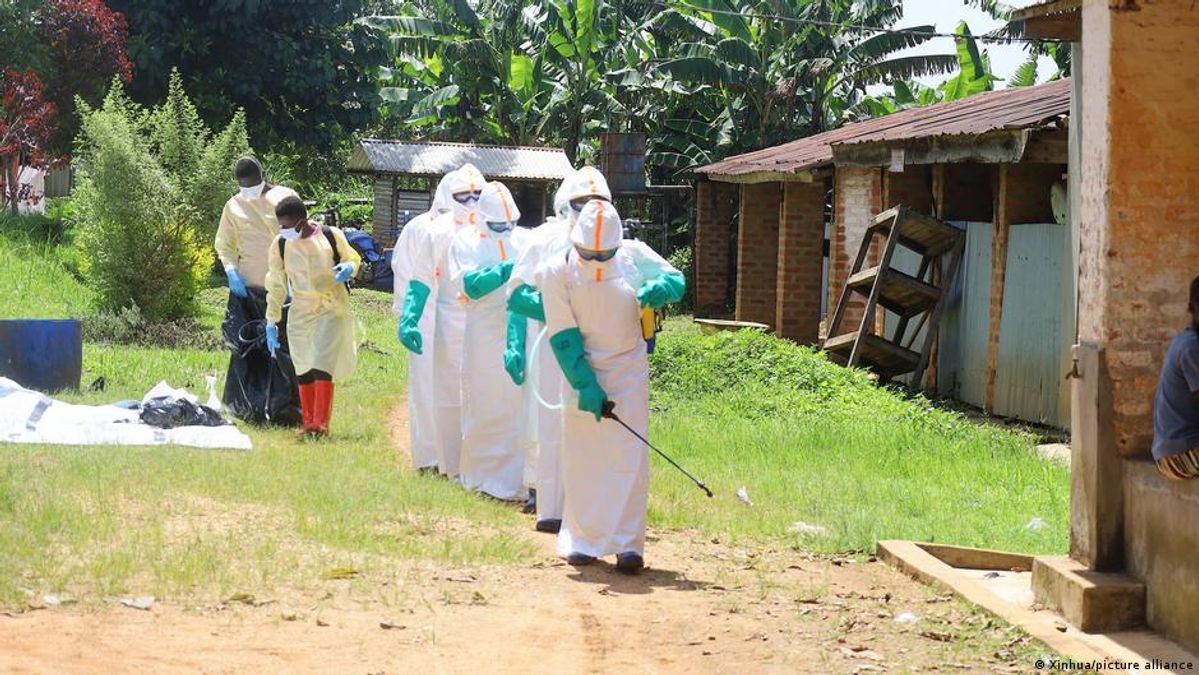
On April 24‑25, a health worker in Mongbwalu, Ituri Province, began showing classic Ebola symptoms and died in Bunia. The Democratic Republic of Congo only announced an Ebola outbreak on May 15, after WHO was alerted on May 5 and laboratory confirmation arrived on May 12. By then the virus had already spread, with over 7,200 reported cases and 3,475 deaths across seven provinces.
The delayed response reflects a web of incentives and constraints. First, fragile health infrastructure forces the Ministry of Health to rely on external labs (National Institute for Biomedical Research, WHO, Africa CDC) that are often overstretched. Second, political survival drives officials to downplay crises; admitting an early outbreak could trigger criticism over governance and expose gaps in disease‑surveillance funding. International donors, meanwhile, tie aid to measurable outcomes, creating a bias toward reporting only confirmed cases. Third, economic trade‑offs matter: Ituri’s mining sector generates significant revenue, and a public health emergency threatens foreign investment and tax flows, incentivizing a quiet approach until the outbreak becomes undeniable. Finally, alliance math with the United Nations and NGOs (Red Cross, WHO) means the DRC must coordinate with bodies that have their own bureaucratic timelines, slowing rapid field deployment.
The human toll extends far beyond the official case count. Rural families in Mongbwalu lost breadwinners, leaving children without schooling or food. Traditional burial practices—touching the deceased—accelerated transmission, turning communal grief into a vector for disease. Health workers, already operating without adequate protective gear, faced heightened exposure; many contracted Ebola and died, deepening the mistrust of the health system. Market vendors in Bunia reported plummeting sales as fear kept customers away, while miners faced temporary shutdowns, cutting wages for thousands. The pandemic also strained already scarce mental‑health resources, with trauma compounding the grief of loss.
Official narratives emphasize the “rapid response” once the outbreak was declared, but they omit three critical layers. First, early warning signals from local civil‑society actors and the Red Cross were ignored for weeks, revealing a gap between community reporting and national decision‑making. Second, environmental surveillance—notably unexplained pig mortality reported in previous outbreaks—was absent, suggesting missed opportunities to detect zoonotic spillover before it reached humans. Third, geopolitical calculations surrounding foreign aid are downplayed; the United States recently pledged $242 million, but the timing aligns with broader strategic interests in the mineral‑rich eastern DRC, where rival powers vie for influence. These omissions help preserve a narrative of competence while masking systemic vulnerabilities.
Watch for three developments that will shape the outbreak’s trajectory. 1) Enhanced genomic surveillance: WHO’s sequencing indicating a February spillover could trigger earlier detection protocols if integrated into national labs. 2) Funding flows and conditionalities: How the $242 million US package is allocated—whether toward community‑based surveillance or large‑scale treatment centers—will affect both containment and local trust. 3) Political accountability: Upcoming parliamentary hearings on the delayed response could pressure the Ministry of Health to reform reporting mechanisms, but they may also become a stage for blame‑shifting rather than systemic change. The interplay of these factors will determine whether Congo can break the cycle of hidden outbreaks or repeat a costly pattern of late acknowledgment.
Source referenced: DW
This brief was synthesized by our Editorial Engine and reviewed by The Ground Narrative team.


