TRENDING

Thursday, 17 September 2026
----------------------
6 Rabi' Al-Thani 1448 AH
US and Iran trade contradictory messages about negotiations while tanker traffic in the Strait of Hormuz plummets. The fallout reverberates through global markets, regional communities, and the power calculus of both capitals.
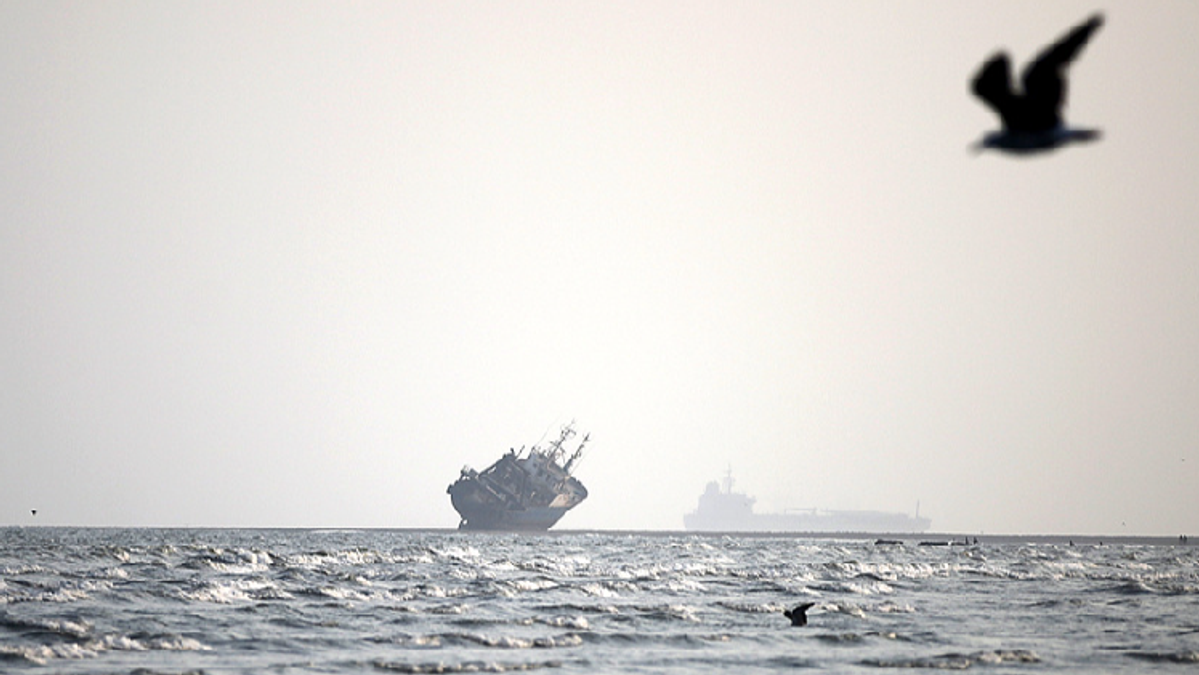
The United States and Iran have issued opposing statements on the prospect of talks: President Donald Trump claimed Tehran is eager to strike a deal, while Iran’s Supreme National Security Council says negotiations will not start until its conditions are met. Meanwhile, ship‑tracking data shows daily transits through the Strait of Hormuz have fallen to single‑digit numbers, far below the usual 14‑vessel average. A disputed incident involving the super‑tanker *El Gaia*—the IRGC says it hit mines, the US says it was disabled by an Iranian missile—has added another layer of uncertainty, and a UN fact‑finding mission has documented a U.S. airstrike that hit a wedding celebration in Hormozgan Province.
Both capitals are leveraging the strait as a bargaining chip. For Washington, keeping the waterway volatile sustains the narrative that Iran remains a security threat, justifying continued military funding and a hard‑line posture that resonates with domestic constituencies. For Tehran, the ability to throttle oil flow amplifies its leverage in any future negotiation, especially as sanctions choke its export revenues. The IRGC’s claim of a mine explosion serves to signal control over the “forbidden” southern route, while the U.S. counter‑claim of a missile strike paints Tehran as the aggressor, preserving the legal cover for potential retaliation. Economic incentives also play a role: global oil prices rise when the strait’s throughput drops, benefitting producers outside the region and financial markets that profit from price volatility. Alliance math matters too—American allies in the Gulf watch closely, fearing spillover effects on their own shipping lanes, while Iran gauges the willingness of its regional partners to back a hard stance.
The immediate human toll falls on seafarers, port workers, and coastal communities that depend on the strait’s traffic for livelihoods. With fewer vessels, dockworkers in Bandar Abbas and nearby Iranian ports see wages evaporate, while ship crews face longer detours around the Cape of Good Hope, increasing fatigue and operational costs. The *El Gaia* incident sparked a fire that threatened nearby fishing villages, and the U.S. airstrike that struck a wedding left dozens dead and many more injured, underscoring how civilian lives become collateral in a power play. Moreover, rising oil prices translate into higher fuel costs for commuters and small businesses across the Middle East and beyond, disproportionately affecting low‑income households.
Official narratives focus on the diplomatic back‑and‑forth and the technical details of the *El Gaia* event, but they largely omit the role of insurance and re‑insurance firms that stand to gain from heightened risk premiums. These financial actors quietly shape the calculus by making shipping routes more expensive, thereby pressuring governments to seek a quick resolution that restores “normalcy.” Likewise, the UN fact‑finding mission’s report highlights civilian casualties, yet the broader strategic discourse downplays the legal ramifications of targeting non‑military sites, allowing both sides to sidestep accountability. Finally, the domestic political calculus in the United States—Trump’s need to appear tough on Iran ahead of the mid‑term elections—is rarely mentioned in the official diplomatic framing, even as it drives the hard‑line rhetoric.
Watch for any shift in the language of official statements from both Washington and Tehran; a softening could precede a de‑escalation of naval posturing. Satellite imagery of the strait will reveal whether mines are being cleared or redeployed, a concrete indicator of intent. Parallel to that, monitor insurance market indices for spikes in war‑risk premiums, which often foreshadow changes in shipping patterns before diplomatic announcements. Finally, the UN fact‑finding mission’s next report will likely address the legality of the September 1 airstrike, and its findings could influence international pressure on the United States, potentially reshaping the negotiation landscape.
Source referenced: CGTN
This brief was synthesized by our Editorial Engine and reviewed by The Ground Narrative team.


