TRENDING

Sunday, 4 October 2026
----------------------
23 Rabi' Al-Thani 1448 AH
A devastating wildfire in Colorado has forced thousands to evacuate, highlighting the growing threat of climate-driven disasters in the western United States.
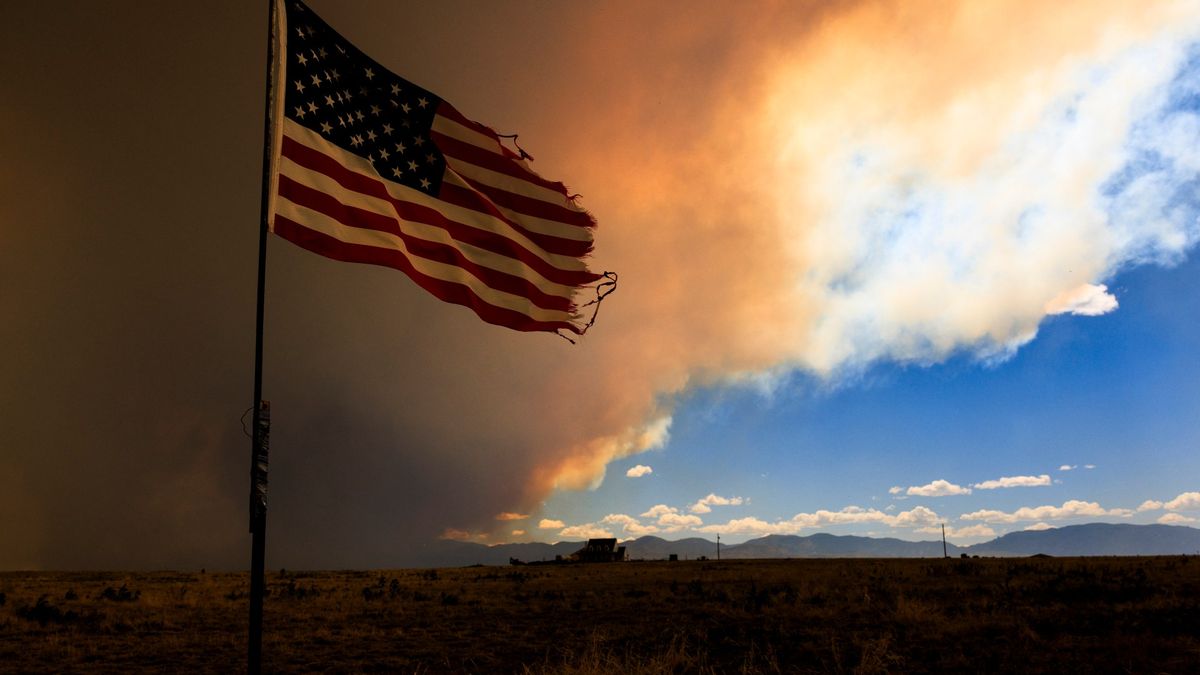
The recent Aspen Acres Fire in Colorado, which has forced thousands to evacuate and destroyed over 160 structures, is a stark reminder of the growing threat of climate-driven disasters in the western United States. The fire, which has spread rapidly due to strong winds and dry conditions, is one of about 40 large fires currently burning across the region.
Experts have long warned that climate change would lead to more frequent and intense wildfires in the western United States. The current dry spell, exacerbated by record-low snowfall and months of dry weather, has created a perfect storm of conditions that have fueled the spread of the Aspen Acres Fire. The fire's rapid growth, which has seen it expand by 44 square kilometers overnight, is a testament to the devastating impact of climate change on the region.
The Aspen Acres Fire is not an isolated incident. The western United States is currently experiencing a severe wildfire season, with multiple blazes burning across Colorado, Utah, and other neighboring states. The Snyder Fire, which has contained only about 65 percent of its area, is a stark reminder of the challenges facing firefighters in the region. The Cottonwood Fire in Utah has grown to over 380 square kilometers, while the Babylon Fire has reached 344 square kilometers.
The Colorado wildfires are a harbinger of the devastating consequences of climate-driven disasters in the western United States. As the region continues to experience more frequent and intense wildfires, the economic and social costs will only continue to rise. The cancellation of professional firework displays and the imposition of fire restrictions in several counties are a stark reminder of the extreme fire risk facing the region.
The Aspen Acres Fire is a human-caused disaster, with investigators yet to release any details on the cause. However, the fire's rapid spread and devastating impact highlight the need for more effective fire prevention and mitigation strategies in the region. The deployment of 50 Colorado National Guard soldiers to staff road checkpoints and help keep boats away from the Pueblo Reservoir is a testament to the growing concern about the fire's spread.
The Colorado wildfires are part of a larger trend of climate-driven disasters in the western United States. The region has experienced a series of devastating wildfires in recent years, including the 2018 Camp Fire in California, which killed 85 people and destroyed over 14,000 structures. The current wildfires are a stark reminder of the need for more effective climate change mitigation and adaptation strategies in the region.
The Aspen Acres Fire is a devastating reminder of the growing threat of climate-driven disasters in the western United States. The fire's rapid spread and devastating impact highlight the need for more effective fire prevention and mitigation strategies in the region. As the region continues to experience more frequent and intense wildfires, the economic and social costs will only continue to rise. It is imperative that policymakers and stakeholders take immediate action to address the root causes of climate-driven disasters and develop more effective strategies for mitigating their impact.
Source referenced: ALJAZEERA
This brief was synthesized by our Editorial Engine and reviewed by The Ground Narrative team.


