TRENDING

Saturday, 3 October 2026
----------------------
22 Rabi' Al-Thani 1448 AH
A devastating 7.4-magnitude earthquake has struck Colombia, leaving over 200 dead and more than 2,000 missing. As the search for survivors continues, the country's new president has declared a state of emergency. The disaster has exposed the vulnerability of Colombia's infrastructure and the human cost of natural disasters.
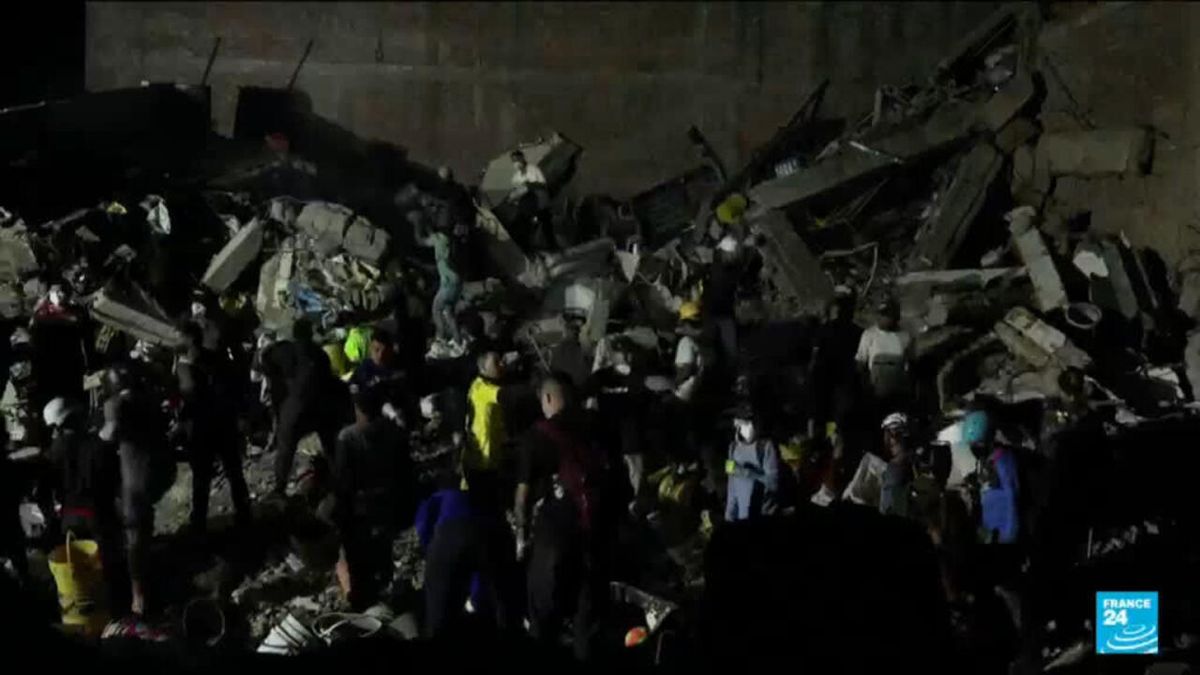
A powerful 7.4-magnitude earthquake has struck Colombia, resulting in widespread destruction and a significant loss of life. The disaster has affected thousands of people, with many still trapped under the rubble of their homes. The Colombian government has responded by declaring a state of emergency and deploying rescue teams to search for survivors.
The earthquake has highlighted the vulnerability of Colombia's infrastructure, which has been weakened by years of underinvestment and neglect. The country's new president, Abelardo de la Espriella, faces a significant challenge in responding to the disaster and providing aid to those affected. The international community has offered support, but the Colombian government must navigate a complex web of diplomatic relationships and economic interests to secure the assistance it needs.
The people of Colombia are bearing the brunt of the disaster, with many families left without access to basic necessities like clean drinking water and electricity. The search for survivors is a desperate race against time, and the psychological toll of the disaster will be felt for months to come. The earthquake has also exposed the deep-seated social and economic inequalities that exist in Colombia, with the poorest communities often being the most vulnerable to natural disasters.
What is being downplayed in the official response to the disaster is the role of climate change in exacerbating the impact of natural disasters like earthquakes. Colombia is located in a seismically active region, and the frequency and intensity of earthquakes are likely to increase as the climate continues to warm. The Colombian government and the international community must take a more proactive approach to addressing the root causes of these disasters, rather than just responding to their aftermath.
As the search for survivors continues, readers should watch for the Colombian government's response to the disaster and its efforts to provide aid to those affected. The international community's response will also be crucial, and readers should look for signs of cooperation and support from countries like the United States and China. In the long term, readers should watch for signs of a more sustained effort to address the root causes of natural disasters like climate change, and to build more resilient infrastructure that can withstand the impacts of these events.
Editor's Note: The analysis is based on publicly available information and may not reflect the full complexity of the situation on the ground.
Source referenced: FRANCE24
This brief was synthesized by our Editorial Engine and reviewed by The Ground Narrative team.