TRENDING

Saturday, 3 October 2026
----------------------
22 Rabi' Al-Thani 1448 AH
China has pledged an additional 100 million yuan in emergency aid to earthquake-stricken Venezuela, signaling a reinforcement of their strategic partnership. This humanitarian gesture underscores Beijing's expanding influence in Latin America and its role as a key alternative partner for Caracas.
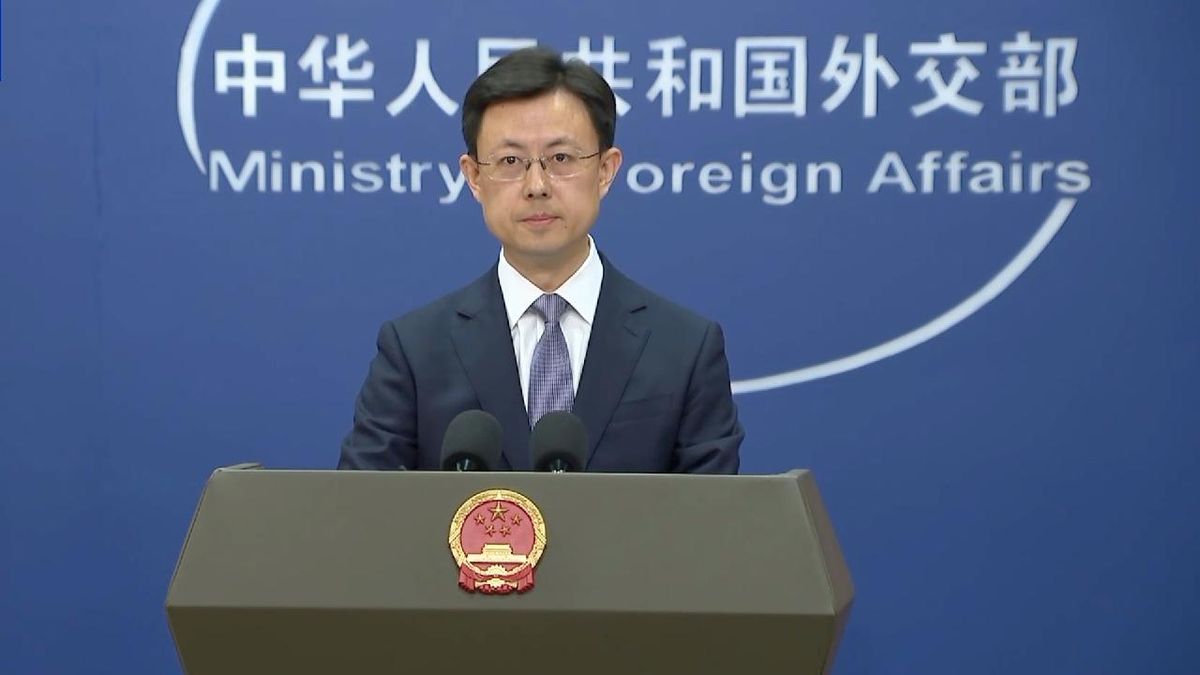
China has announced an additional 100 million yuan (approximately $14 million USD) in emergency humanitarian assistance to Venezuela, a move that extends beyond immediate disaster relief to underscore deeper geopolitical currents. The pledge, confirmed by Chinese Foreign Ministry spokesperson Guo Jiakun on June 26, 2026, comes in the wake of devastating earthquakes that have severely impacted the South American nation. This latest package, comprising essential relief supplies for disaster response and post-earthquake reconstruction, supplements earlier cash assistance provided by Beijing.
The aid initiative is multifaceted. Beyond material supplies, China has also furnished satellite imagery of the affected regions, a critical resource for Venezuela's earthquake rescue operations. Furthermore, Chinese enterprises and local Chinese community organizations operating within Venezuela have actively contributed, providing urgently needed engineering equipment and medical supplies, and organizing rescue teams to participate directly in search and rescue efforts. This comprehensive support highlights a coordinated response from both state and non-state Chinese actors, demonstrating a robust commitment to their Venezuelan partners.
The decision to provide substantial and multifaceted aid to Venezuela is rooted in a long-standing and strategically significant bilateral relationship. For decades, China has cultivated strong ties with Venezuela, particularly under the Bolivarian governments, positioning itself as a crucial economic and diplomatic ally. This partnership has been characterized by extensive oil-for-loan agreements, significant Chinese investments in Venezuelan infrastructure, and military cooperation. Venezuela, possessing the world's largest proven oil reserves, represents a vital component of China's long-term energy security strategy, making the stability and continued alignment of Caracas a priority for Beijing.
From a geopolitical perspective, China's humanitarian intervention serves several strategic objectives. Firstly, it reinforces Beijing's image as a responsible global power and a reliable partner, particularly in contrast to Western nations, many of whom maintain sanctions against Venezuela. By stepping in during a crisis, China demonstrates its capacity and willingness to provide support without the political conditionalities often associated with Western aid, thereby strengthening its soft power and diplomatic leverage in Latin America.
Secondly, the aid solidifies China's influence in a region traditionally considered within the United States' sphere of influence. Venezuela's strained relationship with the U.S. has created a vacuum that China has steadily filled, offering an alternative source of finance, technology, and diplomatic backing. This dynamic is a key element of China's broader strategy to expand its global footprint and challenge the unipolar international order.
The immediate impact of China's aid will undoubtedly be felt in Venezuela's recovery efforts, providing much-needed relief to a population already grappling with economic hardship and the aftermath of natural disaster. The provision of satellite imagery and on-the-ground support from Chinese entities also showcases a practical, hands-on approach to assistance, which can foster deeper trust and cooperation.
Looking ahead, this humanitarian gesture is likely to deepen the strategic alignment between China and Venezuela. It signals Beijing's continued commitment to Caracas, even amidst internal challenges and international isolation. This sustained engagement is critical for China's long-term interests in accessing resources, expanding trade routes, and projecting its influence across the global South. For Venezuela, China remains a lifeline, offering economic support and diplomatic cover that is scarce elsewhere.
The event also serves as a broader indicator of evolving global power dynamics. As China increasingly asserts itself on the world stage, its approach to international crises, particularly in strategically important regions, will continue to blend humanitarian assistance with its overarching geopolitical objectives. The aid to Venezuela is not merely an act of charity; it is a calculated move within a grand strategy to build alliances, secure resources, and reshape the international order in a manner favorable to Beijing's interests.
In conclusion, China's additional emergency aid to Venezuela, while ostensibly a humanitarian response to a natural disaster, carries significant geopolitical weight. It reinforces a critical bilateral partnership, projects Chinese soft power, and strategically counters Western influence in Latin America, all while serving Beijing's long-term economic and security interests. The evolving needs of Venezuela's disaster response will likely see China continue to provide assistance, further cementing these crucial ties.
Source referenced: CGTN
This brief was synthesized by our Editorial Engine and reviewed by The Ground Narrative team.