TRENDING

Sunday, 4 October 2026
----------------------
23 Rabi' Al-Thani 1448 AH
Beijing has strongly rebuked the United States and the European Union for expressing concerns over its recently enacted Ethnic Unity and Progress Promotion Law, accusing them of internal interference. This diplomatic spat underscores the deepening ideological divide and ongoing tensions between China and Western powers regarding human rights and national sovereignty.
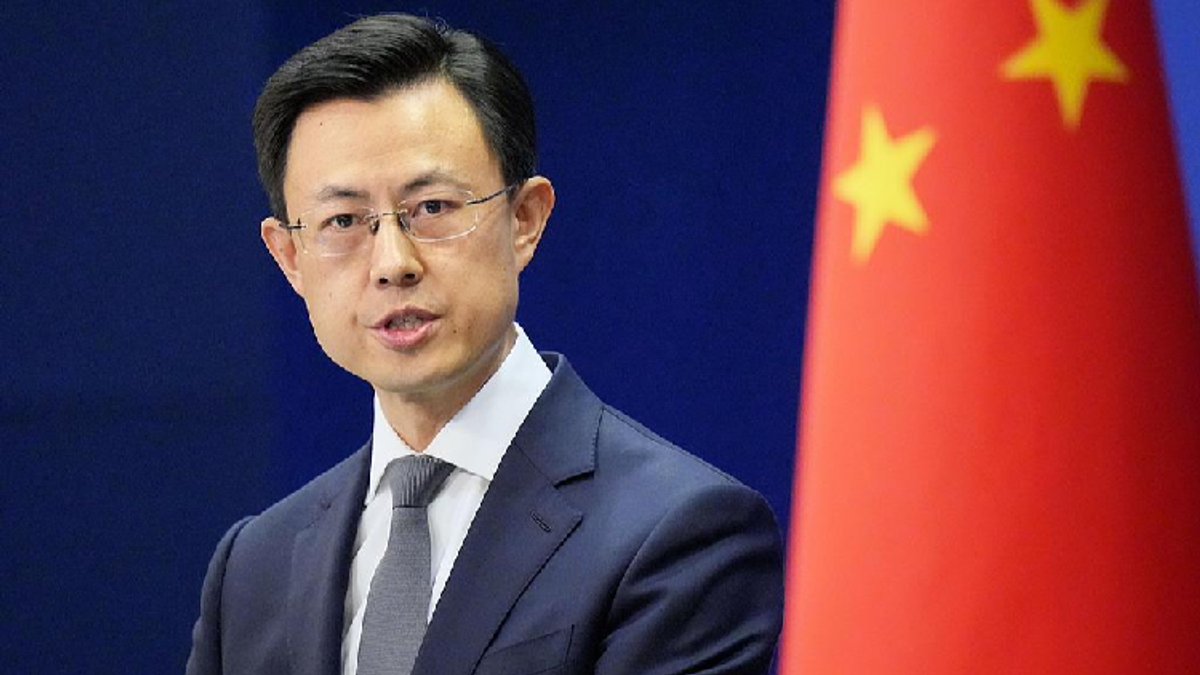
On July 3, 2026, China's Foreign Ministry spokesperson, Guo Jiakun, issued a sharp rebuke to the United States and the European Union, urging them to cease what Beijing termed "hyping up the so-called ethnic issue" and "interfering in China's internal affairs." The diplomatic confrontation stems from concerns voiced by Washington and Brussels regarding China's new Ethnic Unity and Progress Promotion Law, which officially came into effect on July 1. This incident highlights the persistent ideological and geopolitical friction between China and major Western democracies, particularly concerning human rights and national sovereignty.
The specific provisions of China's Ethnic Unity and Progress Promotion Law were not detailed in the official Chinese statement, but the international reaction suggests it has drawn scrutiny from Western governments. The United States and the European Union have reportedly expressed "concern" over the legislation, implying potential implications for ethnic minorities within China. Beijing, through its spokesperson Guo Jiakun, vehemently rejected these concerns, characterizing them as a "biased view" and "maliciously smearing China's ethnic policies." Guo further accused the relevant countries of "concocting and spreading disinformation" and "blatantly interfering in China's internal affairs," asserting that such actions undermine China's ethnic unity.
This latest diplomatic exchange is emblematic of a broader and long-standing geopolitical struggle between China and Western nations. At its core, the dispute revolves around differing interpretations of national sovereignty versus universal human rights. China consistently frames criticisms of its internal policies, especially those pertaining to ethnic minorities in regions like Xinjiang and Tibet, as unwarranted interference in its domestic affairs. This stance is rooted in the principle of non-interference, a cornerstone of its foreign policy. Conversely, the United States and the European Union often articulate their concerns through the lens of international human rights norms and values, arguing that the treatment of ethnic minorities is a matter of global concern, not solely an internal issue.
The accusation of "disinformation" by the Chinese Foreign Ministry also underscores the ongoing battle for narrative control in the international arena. Both sides actively seek to shape global public opinion and legitimacy for their respective positions. China's firm opposition to external criticism reflects its determination to maintain internal stability and project an image of national cohesion, particularly in the face of what it perceives as attempts to destabilize its multi-ethnic society.
The incident occurs within a wider context of escalating strategic competition and ideological divergence between China and the West. Relations have been strained by a multitude of issues, including trade imbalances, technological competition, maritime disputes in the South China Sea, and the situation in Hong Kong. Human rights, particularly the treatment of Uyghurs in Xinjiang, have become a significant point of contention, leading to sanctions and counter-sanctions. The US and EU's collective expression of concern over the new ethnic law signals a coordinated approach to pressuring Beijing on these issues, reflecting a growing alignment among Western powers in their China policy.
This diplomatic friction carries potential long-term consequences for global governance and international cooperation. While direct economic impacts from this specific exchange may be limited, the cumulative effect of such disputes can erode trust, complicate multilateral efforts on shared challenges like climate change and global health, and reinforce a more confrontational international environment.
The strong language employed by Beijing indicates a hardening of its stance against external criticism regarding its internal governance. As China continues its rise as a global power, it is increasingly assertive in defending its sovereignty and internal policies. This suggests that similar diplomatic clashes over human rights and internal affairs are likely to persist. The US and EU, for their part, appear committed to advocating for human rights globally, even if it means confronting major powers. The ongoing tension over China's ethnic policies will remain a critical barometer of the broader geopolitical relationship between China and the Western world, shaping diplomatic engagements and potentially influencing future international alliances and strategic alignments.
Source referenced: CGTN
This brief was synthesized by our Editorial Engine and reviewed by The Ground Narrative team.