TRENDING

Sunday, 11 October 2026
----------------------
30 Rabi' Al-Thani 1448 AH
China's recent missile test and the NATO leaders' summit in Turkey have significant implications for global geopolitics, regional stability, and military strategy.
China's test-firing of a missile from a submarine on Monday is a significant development in the country's military modernization efforts. The launch appears to be intended primarily to demonstrate Beijing's second-strike nuclear capabilities to the United States. This move is a clear signal of China's growing military prowess and its willingness to challenge the United States' dominance in the Asia-Pacific region.
The missile test has significant implications for regional stability in the Asia-Pacific. China's actions are likely to be seen as a challenge to the United States' military presence in the region, and may lead to increased tensions between the two countries. The test may also embolden other regional actors, such as North Korea, to pursue their own military modernization efforts.
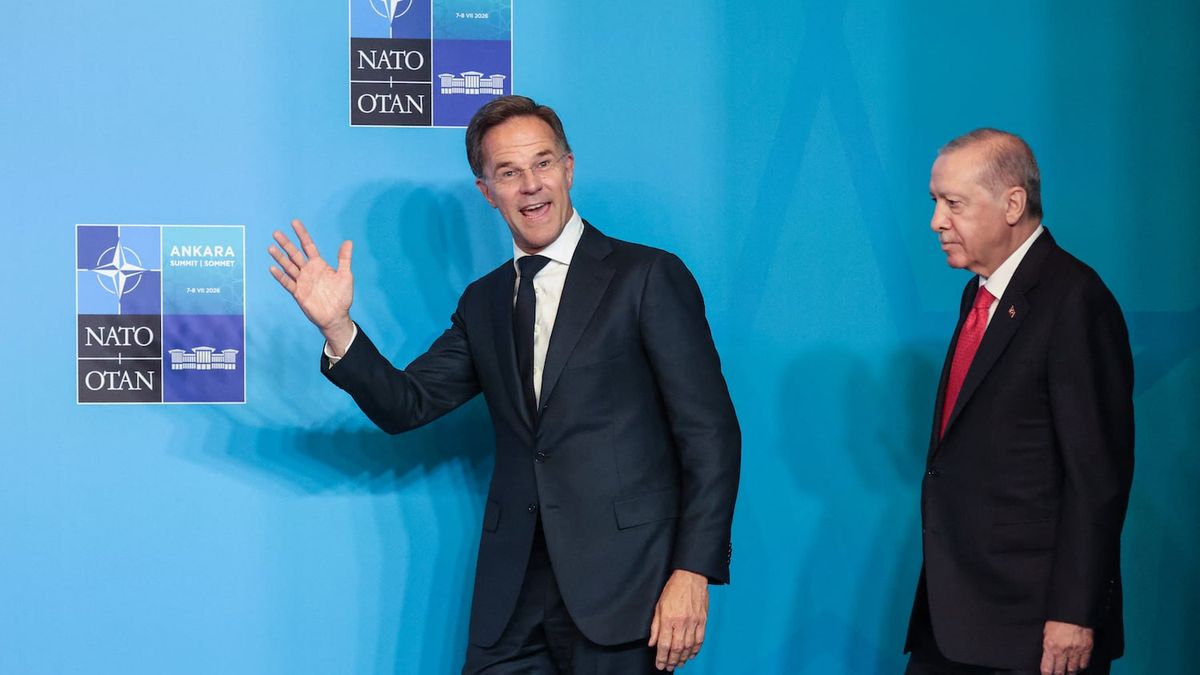
The NATO leaders' summit in Turkey, which took place on Wednesday, marked a significant shift in global politics. The summit was attended by leaders from 30 NATO member countries, as well as several partner countries. The meeting was seen as an opportunity for NATO to reaffirm its commitment to collective defense and to address the growing threat of terrorism in the region.
Turkey's hosting of the NATO summit was seen as a significant development in the country's relations with the alliance. Turkish President Recep Tayyip Erdogan's decision to give other world leaders an unusual gift, a set of 3,000-year-old spearheads from Turkey's western coast, was seen as a gesture of goodwill towards the alliance. However, Erdogan's comments on the need for NATO to take a more active role in the region were seen as a warning to the alliance to take a more robust stance against terrorism.
The NATO summit also saw a significant development in the Russia-Ukraine war. U.S. President Donald Trump's announcement that the United States would give Ukraine a license to build its own Patriot defense systems was seen as a significant shift in the country's military strategy. The move is likely to be seen as a challenge to Russia's military presence in the region, and may lead to increased tensions between the two countries.
The recent missile test by China and the NATO leaders' summit in Turkey have significant implications for global geopolitics, regional stability, and military strategy. The test is a clear signal of China's growing military prowess and its willingness to challenge the United States' dominance in the Asia-Pacific region. The NATO summit marked a significant shift in global politics, with leaders reaffirming their commitment to collective defense and addressing the growing threat of terrorism in the region. The developments in Ukraine and the Russia-Ukraine war are also significant, with the United States' decision to give Ukraine a license to build its own Patriot defense systems likely to be seen as a challenge to Russia's military presence in the region.
Editor's Note: The analysis is based on publicly available information and is subject to change as new information becomes available.
Source referenced: FOREIGNPOLICY
This brief was synthesized by our Editorial Engine and reviewed by The Ground Narrative team.