TRENDING

Thursday, 10 September 2026
----------------------
28 Rabi' Al-Awwal 1448 AH
China's Global Development Initiative marks five years, presenting an alternative to Western aid. But who truly benefits when global power dynamics shift through infrastructure and loans?
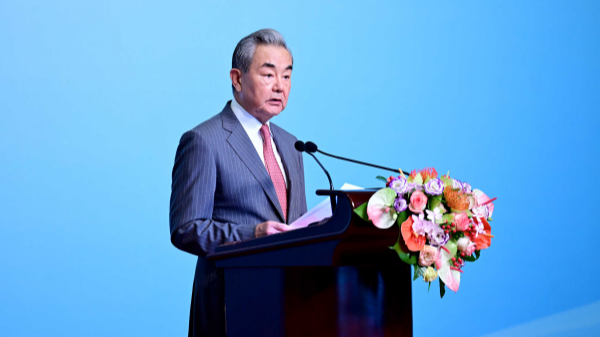
Chinese Foreign Minister Wang Yi recently presided over a high-level meeting in Beijing, commemorating the fifth anniversary of China's Global Development Initiative (GDI). During the event, Wang Yi positioned the GDI as a distinct 'Chinese approach' to global development, emphasizing solidarity, multilateralism, and alignment with the United Nations' 2030 Agenda for Sustainable Development, particularly for the Global South. The gathering, attended by UN officials and ambassadors from the GDI's 'Group of Friends,' underscored China's commitment to offering an alternative framework for international cooperation.
The Global Development Initiative, alongside the Belt and Road Initiative (BRI), serves as a critical instrument for China to expand its global influence and reshape the international order. By offering substantial infrastructure investment, technological cooperation, and development financing, China presents itself as a reliable partner, often without the political conditionalities typically associated with traditional Western aid. For many developing nations in the Global South, this offers a seemingly faster and less prescriptive path to infrastructure and economic growth, addressing pressing needs that traditional institutions may not meet as readily. This strategic outreach allows China to cultivate a network of economic and political allies, subtly shifting allegiances and creating a new sphere of influence that challenges existing power structures dominated by the United States and its allies. The participation of UN development agencies, while framed as promoting global goals, also lends a crucial layer of international legitimacy to China's initiatives, integrating them into broader multilateral frameworks.
While the GDI promises shared prosperity, the human cost often falls on the populations of recipient countries. Large-scale infrastructure projects, though appearing beneficial, frequently involve significant loans that can lead to unsustainable debt burdens. These financial obligations can compromise a nation's economic sovereignty, forcing difficult choices on public spending and potentially leading to asset seizures or long-term dependency. Furthermore, the rapid implementation of these projects can result in considerable environmental degradation, displacing local communities, altering delicate ecosystems, and contributing to climate change, particularly in regions with less stringent environmental protections. Concerns also persist regarding labor practices, with local workers sometimes sidelined in favor of imported Chinese labor, impacting local employment and skill development. Ultimately, the long-term reliance on any single external power for development can limit a nation's capacity for self-determination and economic diversification, leaving its citizens vulnerable to external economic shifts and policy demands.
What official statements from Beijing and participating governments often downplay is the underlying geopolitical competition driving the GDI. This initiative is not solely about altruistic development; it is a strategic maneuver in China's long-term bid to establish a multipolar world order and cement its position as a global leader. The narrative of 'no strings attached' development often masks implicit expectations for political support in international forums, access to critical resources, or adherence to China's foreign policy positions. Moreover, the transparency of many GDI projects remains a significant concern. The lack of public scrutiny over loan terms, environmental impact assessments, and procurement processes can leave citizens in recipient countries with little recourse to challenge potentially unfavorable agreements. This opacity allows powerful actors to frame the initiative purely as a benevolent act, obscuring the strategic advantages China gains and the potential pitfalls for its partners, including the erosion of local democratic accountability and the marginalization of alternative, potentially more sustainable, development models.
Moving forward, observers should closely monitor the debt sustainability of nations heavily engaged with the GDI, looking for signs of financial distress or renegotiations that reveal the true cost of these partnerships. The long-term economic and social outcomes of completed GDI projects will also be critical; are they truly uplifting local populations, or primarily serving external interests? Pay attention to voting patterns and diplomatic alignments within international bodies, particularly among the GDI's 'Group of Friends,' to discern shifts in global influence. Finally, watch for the response from Western powers – will they offer more competitive, transparent, and sustainable alternatives to China's development model, or will the GDI continue to expand its footprint largely unchallenged? The interplay between these factors will determine the true shape of global development for decades to come.


