TRENDING

Thursday, 12 November 2026
----------------------
2 Jumada Al-Thani 1448 AH
China’s food‑tech surge is turning the APEC region into a two‑way trade corridor, but the benefits are uneven. While exporters celebrate new opportunities, small‑scale producers and consumers face hidden costs.
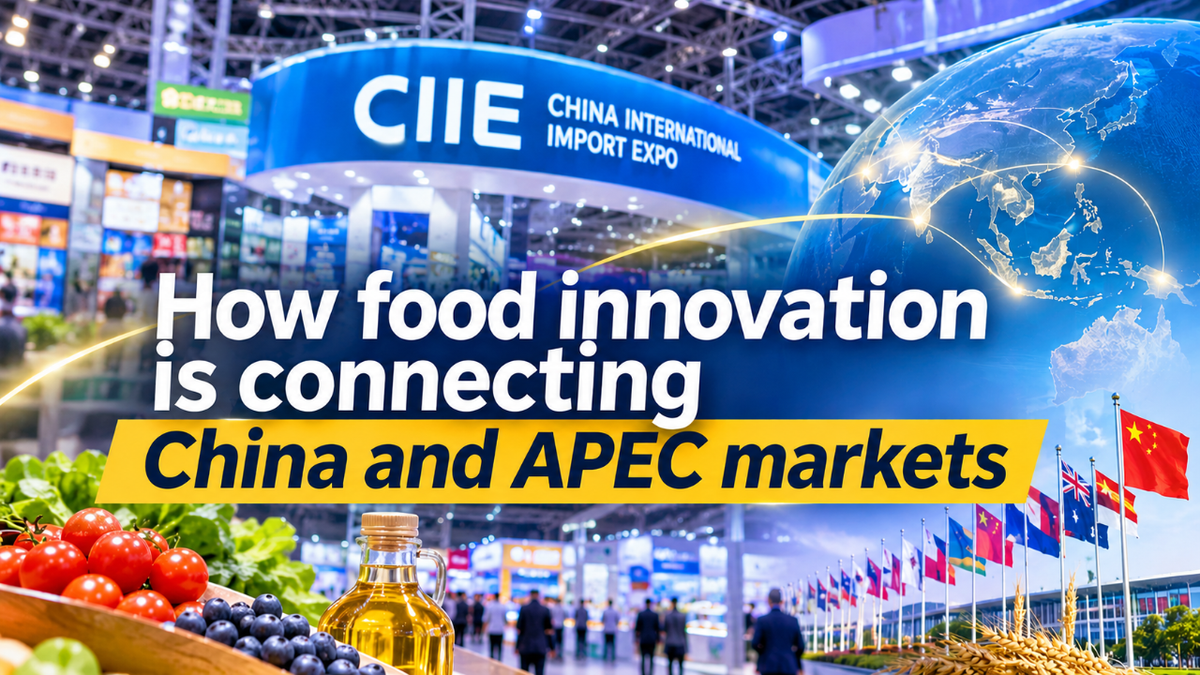
China is hosting the APEC Leaders' Meeting and the China International Import Expo, where a dedicated food and agricultural showcase highlighted a surge in food innovation partnerships. Companies from three APEC economies—Australia, Canada, and Chile—demonstrated how novel processing, alternative proteins, and cold‑chain logistics are crossing borders, positioning China as both a massive market and a conduit for new agri‑tech.
Beijing’s recent policy shifts, such as the 2025 *Food Security Modernisation* plan, aim to lock in China as the world’s largest consumer while projecting an image of openness. By inviting foreign agri‑tech firms onto its expo floor, the government signals willingness to import cutting‑edge inputs, yet it also extracts data, standards alignment, and future export commitments that reinforce domestic control over supply chains.
Large Chinese conglomerates—e.g., COFCO, Bright Food, and Yili—have invested heavily in overseas R&D centers and joint ventures. Their lobbying power ensures that import‑friendly regulations, such as reduced tariffs on high‑value processed foods, pass through the State Council. In return, these firms secure privileged access to foreign patents and branding, expanding their global footprint while keeping profit streams anchored at home.
APEC’s consensus‑based framework masks underlying competition. Nations like Australia and Canada view China’s appetite for premium protein alternatives as a gateway to diversify export markets beyond the United States. Simultaneously, they must balance security concerns over technology transfer, leading to nuanced bilateral agreements that embed safeguards while still courting Chinese buyers.
The push for food innovation reshapes trade balances: importing high‑margin processed goods reduces China’s reliance on bulk commodity imports, but it also raises the cost of entry for smaller exporters lacking certification infrastructure. The net effect is a shift from volume‑based trade to value‑added trade, concentrating gains among firms that can meet stringent safety and traceability standards.
Smallholder farmers across provinces such as Henan and Sichuan are pressured to adopt patented seed varieties and digital monitoring tools. While the promise is higher yields, the reality often involves steep licensing fees and dependence on proprietary platforms, eroding traditional autonomy and increasing debt exposure.
In Chile’s salmon farms and Canada’s plant‑based meat factories, labor unions report longer shifts to meet Chinese order volumes. The race to fulfill contracts can lead to wage stagnation, occupational hazards, and limited bargaining power, especially when export contracts are tied to single large Chinese buyers.
Chinese urban consumers enjoy a broader palette of imported specialty foods, yet price spikes occur when geopolitical frictions or pandemic‑related logistics disruptions hit the thinly‑veiled supply chain. Low‑income households, already burdened by rising food costs, bear the brunt of these fluctuations.
Official statements celebrate “mutual benefit” and “food security,” but they rarely acknowledge that over‑reliance on foreign agri‑tech could create strategic vulnerabilities. If key patents are held abroad, a sudden policy shift in a partner country could jeopardize domestic supply chains.
Chinese firms collect granular data on foreign production methods, climate conditions, and consumer preferences through joint‑venture platforms. This information is rarely disclosed in public filings, obscuring the extent to which foreign partners become de‑facto data suppliers for a state‑run surveillance ecosystem.
The push for high‑tech processing often entails increased energy consumption and waste generation. While export brochures tout sustainability certifications, on‑ground audits reveal that many facilities still rely on fossil‑fuel‑intensive refrigeration, contributing to regional carbon footprints that are omitted from official impact assessments.
- Regulatory shifts: Watch for new APEC‑wide standards on food safety and data sharing that could codify China’s influence over cross‑border agri‑tech.
- Supply‑chain disruptions: Monitor shipping lane tensions in the South China Sea, as any blockage could instantly spike prices for imported food products.
- Labor movements: Emerging union actions in Chile and Canada may pressure multinational firms to renegotiate contract terms, potentially reshaping the power balance.
- Domestic policy tweaks: Beijing’s upcoming Rural Revitalisation plan may introduce subsidies tied to adoption of specific foreign technologies, further entrenching dependence.
- Consumer sentiment: Growing awareness of food provenance among Chinese millennials could drive demand for transparent sourcing, forcing firms to reveal more about their foreign partnerships.
Staying alert to these dynamics will help ordinary citizens understand who profits, who bears the hidden costs, and how the narrative of “food innovation” may mask deeper power shifts across the Pacific.
China leverages large domestic demand and state‑backed policies to attract foreign agri‑tech firms, securing access to patents and high‑value products while reshaping trade from bulk commodities to processed goods.
They must adopt patented seeds and digital platforms that carry licensing fees and data‑sharing obligations, increasing debt risk and reducing traditional farming autonomy.
Yes, many high‑tech processing facilities rely on energy‑intensive refrigeration and generate waste, but these impacts are often omitted from official sustainability reports.
Source referenced: CGTN
This brief was synthesized by our Editorial Engine and reviewed by The Ground Narrative team.


