TRENDING

Monday, 5 October 2026
----------------------
24 Rabi' Al-Thani 1448 AH
China dispatched over 100 tonnes of relief supplies to flood‑hit Nepal, a move that intertwines humanitarian help with strategic outreach. The aid masks deeper competition for influence in the Himalayas and a human toll that extends beyond the immediate disaster.
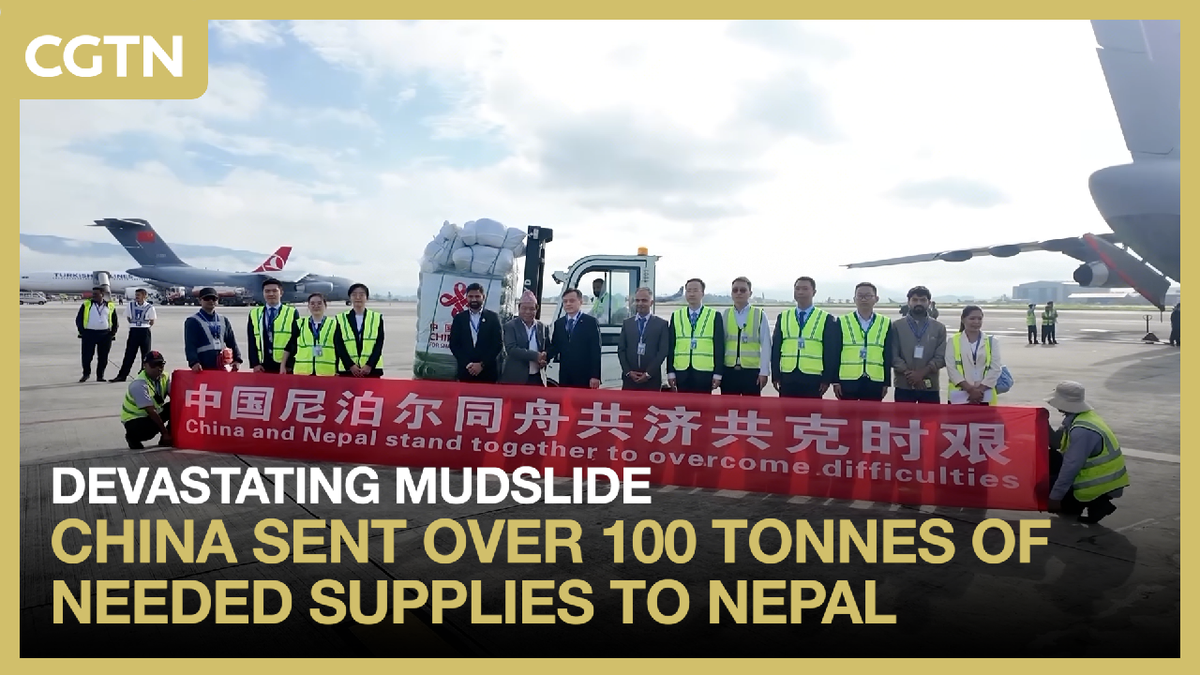
On 30 September 2026 the China International Development Cooperation Agency (CIDCA) announced that more than 100 tonnes of urgently needed relief supplies had been flown into Nepal. The cargo, delivered by military transport aircraft, included food, medical kits, drones, rescue equipment and genetic‑testing devices. In addition, a team of over 20 tunnel‑rescue and forensic experts was dispatched to assist with search‑and‑rescue operations after the devastating mudslides that struck Nepal’s border region in August.
The disaster unfolded along the China‑Nepal border, an area where Beijing has invested heavily in infrastructure under the Belt and Road Initiative. By positioning aircraft and technical teams just across the frontier, China demonstrates its logistical reach and reinforces a narrative of a responsible neighbour.
India, Nepal’s traditional security partner, has long viewed Chinese encroachment with suspicion. The aid mission allows Beijing to claim moral high ground while subtly reminding Kathmandu of the tangible benefits of a closer partnership. This dynamic plays into Beijing’s broader goal of expanding influence across South Asia without overtly confronting Indian interests.
The Chinese leadership faces a domestic narrative that emphasizes “people‑first” foreign policy. Publicizing a high‑visibility humanitarian operation helps the Communist Party project competence and compassion, especially as it navigates economic slowdown and rising social expectations at home.
While the relief cargo is presented as a gift, it arrives alongside ongoing loan‑financed projects—hydropower plants, road upgrades and border‑crossing facilities. The goodwill generated by the aid can smooth negotiations for future financing, effectively tying Nepal’s reconstruction budget to Chinese capital.
Hundreds of villages in the Karnali and Sudurpaschim provinces were buried or cut off, forcing families to seek shelter in temporary camps. The loss of homes, livestock and seasonal crops threatens food security for an already vulnerable population.
In the immediate aftermath, women have taken on the bulk of water‑collection, child‑care and makeshift shelter construction. Limited medical supplies mean that maternal health risks have risen, while school closures jeopardise children’s education for months.
Tourism, a key income source for many Himalayan communities, collapsed as roads became impassable. Small‑scale traders lost inventory, and remittances from migrant workers were delayed due to disrupted transport links.
Official statements highlight the altruistic nature of the shipment, yet they omit discussion of the outstanding loans tied to earlier infrastructure projects. Analysts note that relief aid can be leveraged to secure concessions on future contracts, a nuance rarely mentioned in state‑run media.
The drones and genetic‑testing devices, while useful for rescue, also expand Beijing’s data‑collection footprint in remote border zones. Local authorities have not been given full transparency about how the equipment will be used after the emergency subsides.
Indian diplomatic channels issued a brief condolence message but stopped short of matching China’s logistical effort. The restraint is strategic: overt competition could destabilise a fragile region, yet the silence also signals a tacit acknowledgment of Beijing’s growing foothold.
- Infrastructure contracts: Monitor announcements of new road or hydropower projects in the affected districts, especially those financed by Chinese banks.
- Military flight patterns: Increased frequency of Chinese transport aircraft could indicate a longer‑term security presence near the border.
- Nepal’s diplomatic balancing: Watch for shifts in Kathmandu’s foreign‑policy statements, particularly any language that emphasizes “strategic autonomy” or hints at diversifying aid sources.
- India’s aid calculus: Future Indian disaster‑relief missions, if any, will reveal whether New Delhi chooses to counter‑balance Beijing’s goodwill or focus on other regional priorities.
- Local sentiment: Grassroots reports from Nepali NGOs and community leaders will show whether the aid translates into lasting trust or is perceived as a transactional gesture.
The convergence of humanitarian need and geopolitical ambition makes this episode a bellwether for how great‑power competition will play out in the Himalayas. Observers should keep an eye on the evolving partnership between China and Nepal, the subtle recalibrations in India’s regional strategy, and the lived realities of the mountain communities rebuilding their lives.
Beijing frames the shipment as humanitarian assistance, but it also showcases logistical capability, strengthens its border presence and creates goodwill that can be leveraged for future infrastructure deals.
The aid deepens Nepal’s reliance on Chinese resources, prompting India to reassess its own engagement in the region. While India has offered condolences, it has not matched the scale of the Chinese response, potentially shifting the balance of influence.
Source referenced: CGTN
This brief was synthesized by our Editorial Engine and reviewed by The Ground Narrative team.


