TRENDING

Thursday, 8 October 2026
----------------------
27 Rabi' Al-Thani 1448 AH
A recent attack on the Central African Republic's (CAR) border town of Am-Dafock has displaced over 16,000 people, highlighting the worsening humanitarian situation and regional instability.
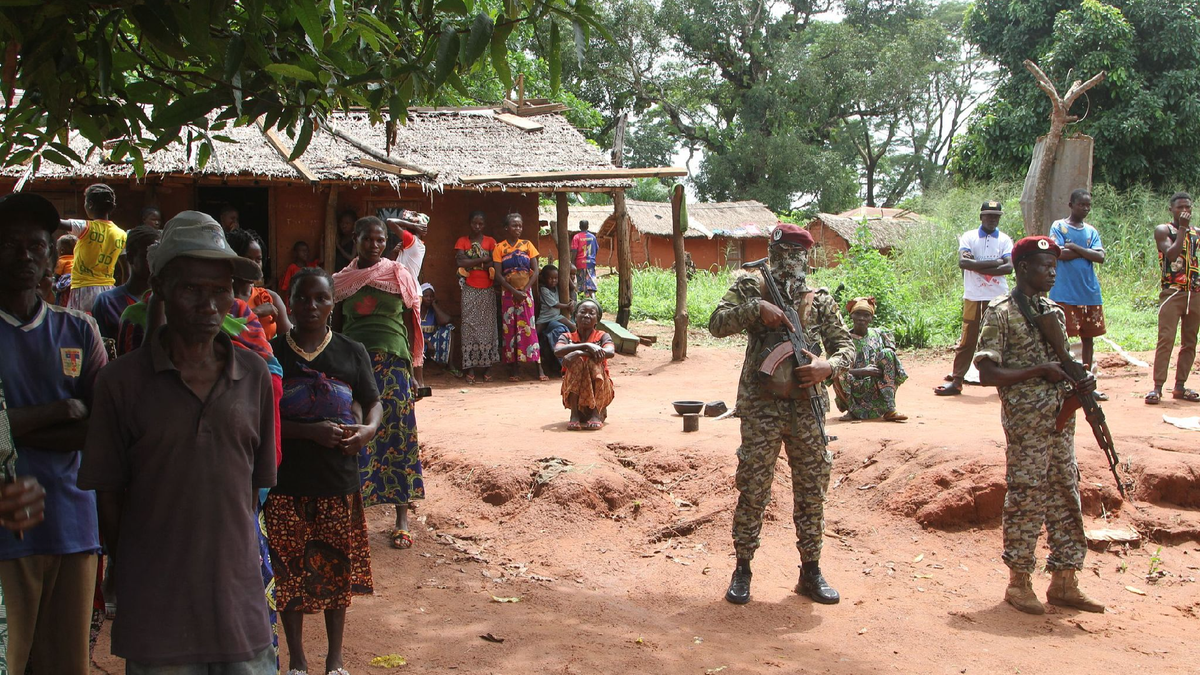
The recent attack on the Central African Republic's (CAR) border town of Am-Dafock has left over 16,000 people displaced, underscoring the escalating humanitarian crisis and regional instability in the area. The attack, which targeted Am-Dafock in Vakaga prefecture near the border with Sudan, resulted in the deaths of military personnel, security forces, and civilians.
The CAR-Sudan border has been a hotspot for insecurity since Sudan's army and the Rapid Support Forces (RSF) began fighting in April 2023. The strategic area has frequently been targeted by armed groups operating on both sides of the border. The 2024 United Nations report identified Am-Dafock as a key logistical hub used by the RSF for logistics and recruitment, underscoring the strategic importance of the border area.
The attack on Am-Dafock has significant regional implications. The CAR-Sudan border is a critical area for regional stability, and the ongoing conflict has the potential to spill over into neighboring countries. The presence of Russian paramilitary allies supporting the CAR armed forces adds a new layer of complexity to the situation, as it may be seen as an attempt to expand Russian influence in the region.
The humanitarian situation in the CAR-Sudan border area is extremely worrying, with over 16,000 displaced people seeking shelter near the UN peacekeeping mission (MINUSCA) base in Am-Dafock. The delivery of humanitarian aid and the deployment of medical aircraft to evacuate the wounded are crucial steps in addressing the crisis. However, the long-term consequences of the attack and the ongoing conflict remain uncertain.
The motivations behind the attack on Am-Dafock are unclear, but it is likely that the RSF and other armed groups are seeking to exploit the instability in the region to further their own interests. The involvement of Russian paramilitary allies in the conflict adds a new layer of complexity, as it may be seen as an attempt to expand Russian influence in the region.
The attack on Am-Dafock has exposed the regional instability in the CAR-Sudan border area and highlights the need for a coordinated response to address the humanitarian crisis. The involvement of external actors, including Russian paramilitary allies, adds a new layer of complexity to the situation, and the long-term consequences of the attack remain uncertain. A thorough analysis of the strategic motivations behind the attack and the regional implications is necessary to develop an effective response to the crisis.
Editor's Note: The motivations behind the attack on Am-Dafock are unclear, and the long-term consequences of the attack remain uncertain.
Source referenced: CGTN
This brief was synthesized by our Editorial Engine and reviewed by The Ground Narrative team.