TRENDING

Friday, 16 October 2026
----------------------
5 Jumada Al-Awwal 1448 AH
New UK Prime Minister Andy Burnham's call for a closer EU relationship marks a significant shift in Britain's post-Brexit strategy, with potential benefits and risks.
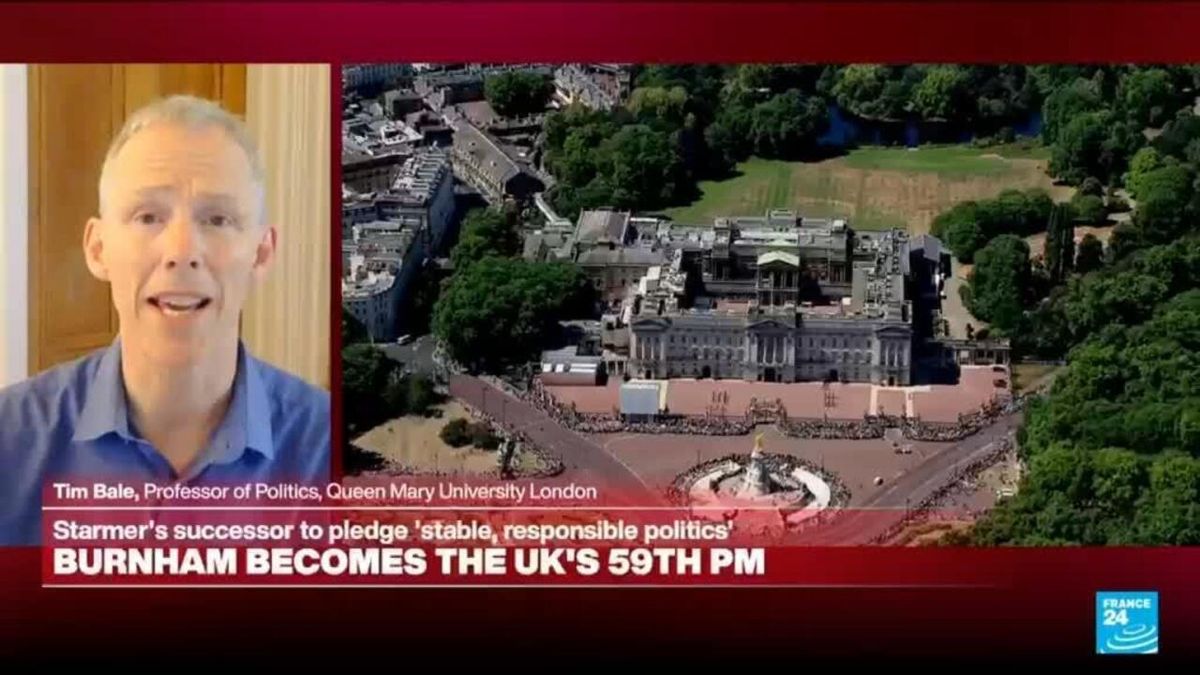
The ascension of Andy Burnham to the UK's prime ministership marks a pivotal moment in Britain's post-Brexit trajectory. In a recent statement, Burnham emphasized the need for a closer EU relationship, citing the potential for significant economic gains through reintegration into the Single Market. This development has sparked intense debate, with analysts and policymakers weighing the strategic implications of such a move.
The UK's decision to leave the EU in 2016 was a culmination of decades-long tensions between Britain and the European project. The Brexit referendum was largely driven by concerns over sovereignty, immigration, and economic self-determination. However, the subsequent economic downturn and the COVID-19 pandemic have exposed the vulnerabilities of a post-Brexit Britain. Burnham's call for reengagement with the EU can be seen as a pragmatic response to these challenges, aimed at reviving economic growth and restoring Britain's global influence.
Burnham's proposal for a closer EU relationship is not without its risks. A reintegration into the Single Market would require significant concessions on Britain's part, potentially compromising its sovereignty and regulatory autonomy. Moreover, the EU's current economic and migration policies may not align with Britain's interests, leading to potential conflicts. Nevertheless, a closer EU relationship could also bring substantial benefits, including access to the EU's single market, increased trade opportunities, and a more stable economic environment.
The success of Burnham's EU reengagement strategy will depend on various factors, including the EU's willingness to accommodate Britain's demands, the UK's ability to navigate the complexities of EU membership, and the domestic political landscape. A reintegration into the Single Market would require significant legislative and regulatory changes, which could be contentious and time-consuming. Furthermore, the EU's response to Britain's reengagement bid will be shaped by its own priorities, including the ongoing migration crisis and the need to maintain a united front against external pressures.
Andy Burnham's call for a closer EU relationship marks a significant shift in Britain's post-Brexit strategy, with potential benefits and risks. While a reintegration into the Single Market could bring substantial economic gains, it would also require significant concessions on Britain's part and potentially compromise its sovereignty. The success of Burnham's strategy will depend on various factors, including the EU's willingness to accommodate Britain's demands and the UK's ability to navigate the complexities of EU membership. As Britain embarks on this new chapter in its EU relations, it is essential to carefully weigh the strategic implications and potential consequences of such a move.
Source referenced: FRANCE24
This brief was synthesized by our Editorial Engine and reviewed by The Ground Narrative team.