TRENDING

Thursday, 12 November 2026
----------------------
2 Jumada Al-Thani 1448 AH
President Nayib Bukele posted a short clip claiming his forces have struck a major gang stronghold in Haiti. The footage raises questions about regional power, oversight, and the human toll of a rapid foreign deployment.
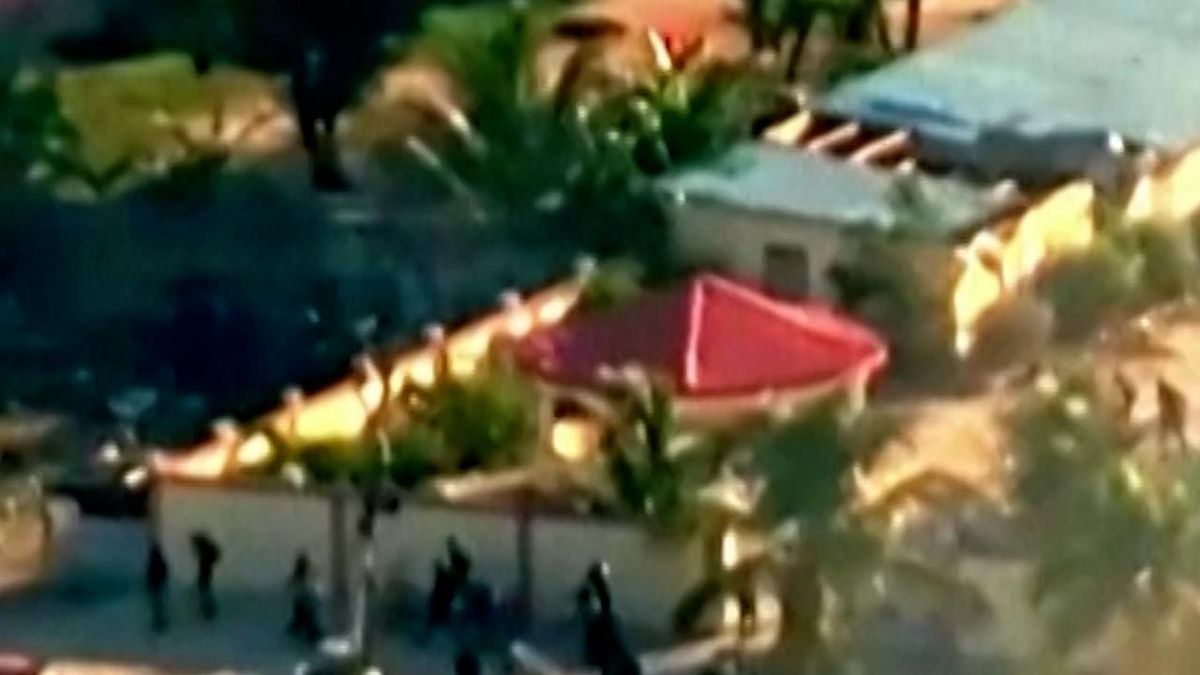
On 12 November 2026, President Nayib Bukele of El Salvador uploaded a 24‑second video to his X account showing armed Salvadoran soldiers moving through a Haitian neighborhood. In Creole he announced the destruction of the "House of Lanmo San Jou" and the headquarters of the 400 Mawozo gang. The clip follows an October order that sent 2,500 Salvadoran troops to Haiti after four of their personnel were ambushed and went missing. The deployment, framed as a rescue mission, has proceeded with minimal public briefing and no clear multilateral mandate.
Bukele’s decision rests on several intersecting incentives. Domestically, the Salvadoran president has built a reputation as a tough‑on‑crime leader, using the military to compensate for weak judicial institutions. A successful foreign operation offers a high‑visibility win that can shore up his popularity ahead of the 2027 elections. Regionally, the move signals a willingness to fill the security vacuum left by the United Nations Stabilization Mission in Haiti (MINUSTAH) after its 2024 withdrawal, positioning El Salvador as a de‑facto security provider in the Caribbean.
Economically, the deployment opens channels for Salvadoran defense contractors. The rapid mobilization required logistics, equipment, and fuel—services that local firms can supply under government contracts that are rarely disclosed. The operation also dovetails with broader U.S. interests in curbing transnational gang networks that threaten migration flows to the United States. While Washington publicly welcomes any action that stabilizes Haiti, it has not formally coordinated the Salvadoran presence, allowing the president to claim autonomy and avoid scrutiny.
Strategically, the presence of a small but well‑trained force gives El Salvador leverage in future diplomatic negotiations with Caribbean states. By establishing a foothold, Bukele can claim a seat at any regional security forum, potentially shaping policy on illicit finance, narcotics trafficking, and migration. The operation also tests the limits of the Organization of American States (OAS) framework, which has struggled to enforce collective decisions when member states act unilaterally.
The raid on the 400 Mawozo compound displaced dozens of families living in informal settlements that had been co‑opted by the gang for protection. Residents report that homes were demolished without warning, and that the ensuing security vacuum invited rival factions to seize control of the vacated streets. Local clinics, already strained by years of cholera and COVID‑19, now face an influx of trauma patients, while schools have been forced to close for weeks due to safety concerns.
The Salvadoran soldiers themselves operate with limited intelligence support and under a rules‑of‑engagement that remains opaque. Several troops have already reported injuries from improvised explosive devices, and families back in San Salvador worry about the lack of a clear extraction plan should the mission deteriorate. The psychological strain of fighting a foreign gang in an unfamiliar urban environment adds a hidden cost that the government has not quantified.
Haiti’s fragile economy, heavily reliant on remittances from the diaspora, is now exposed to new risk premiums. International NGOs, which fund a significant share of public services, are reconsidering projects amid security uncertainties. Meanwhile, El Salvador’s budget, already stretched by its own crime‑reduction programs, must absorb the ongoing costs of overseas deployment, potentially diverting funds from social programs at home.
Official statements emphasize the swift elimination of a gang stronghold, but they omit the legal gray area surrounding the deployment. No UN Security Council resolution authorizes the presence of El Salvadorian troops, and the Haitian government has not formally requested assistance, raising questions about sovereignty infringement. The lack of a transparent mandate allows the president to sidestep parliamentary oversight both at home and abroad.
Economic disclosures are equally thin. Contracts for transport, ammunition, and medical support have been awarded to firms with close ties to Bukele’s inner circle, suggesting a patronage network that benefits from the operation’s opacity. Critics argue that the mission serves as a testing ground for a new export market for Salvadoran security services, a sector the president has hinted at expanding.
Geopolitically, the United States’ tacit acceptance masks a deeper strategic calculus. By allowing El Salvador to act, Washington avoids committing its own troops while still achieving a degree of pressure on Haitian gangs. Yet the U.S. has not publicly addressed the potential for escalation with rival groups, nor the risk that a foreign force could become a target for retaliation, further destabilizing Port‑au‑Prince.
Finally, the narrative of a “promise kept” sidesteps the broader context of Haiti’s chronic state failure. Decades of political paralysis, debt, and natural disasters have eroded the capacity of the Haitian state to protect its citizens. The video’s focus on a single tactical success distracts from the systemic issues that enable gangs to thrive, and from the long‑term need for institution‑building rather than short‑term kinetic actions.
Observers should monitor the next statements from the United Nations and the Organization of American States regarding the legality of the Salvadoran presence. A formal request for a UN‑mandated peacekeeping force could either legitimize the operation or force a withdrawal if the council deems it unauthorized. In Washington, congressional hearings on foreign deployments in the Caribbean may reveal whether the U.S. plans to formalize a partnership with El Salvador or to push for a multilateral solution.
On the ground in Haiti, the reaction of rival gangs to the 400 Mawozo setback will be a bellwether for further violence. If other groups mobilize in retaliation, civilian casualties could rise sharply, prompting a humanitarian response from NGOs and potentially reigniting calls for a renewed UN mission.
Finally, domestic politics in El Salvador will provide clues about Bukele’s longer‑term ambitions. Should the operation be framed as a success in the upcoming 2027 elections, we may see a push for additional overseas deployments under the banner of “regional security,” extending Salvadoran influence far beyond Central America.
Stakeholders—citizens of Haiti, Salvadoran families, regional governments, and global powers—should keep an eye on diplomatic communiqués, troop movement reports, and the flow of funding to defense contractors. The story is far from over, and the next weeks will reveal whether Bukele’s video marks a genuine security breakthrough or a calculated display of power with hidden costs.
Bukele framed the deployment as a rescue mission after four Salvadoran soldiers were ambushed, but it also serves his domestic agenda of portraying a strong security leader and expands his regional influence.
The operation lacks a clear UN Security Council mandate and was not requested by the Haitian government, raising questions about sovereignty and the legality of a foreign military presence without multilateral approval.
Source referenced: CGTN
This brief was synthesized by our Editorial Engine and reviewed by The Ground Narrative team.


