TRENDING

Monday, 5 October 2026
----------------------
24 Rabi' Al-Thani 1448 AH
A diplomatic row between the US and Brazil escalated as Washington revoked the visa of Brazil's ambassador, prompting a sharp rebuke from President Lula. This tit-for-tat move reveals deeper tensions over diplomatic protocol and regional influence.
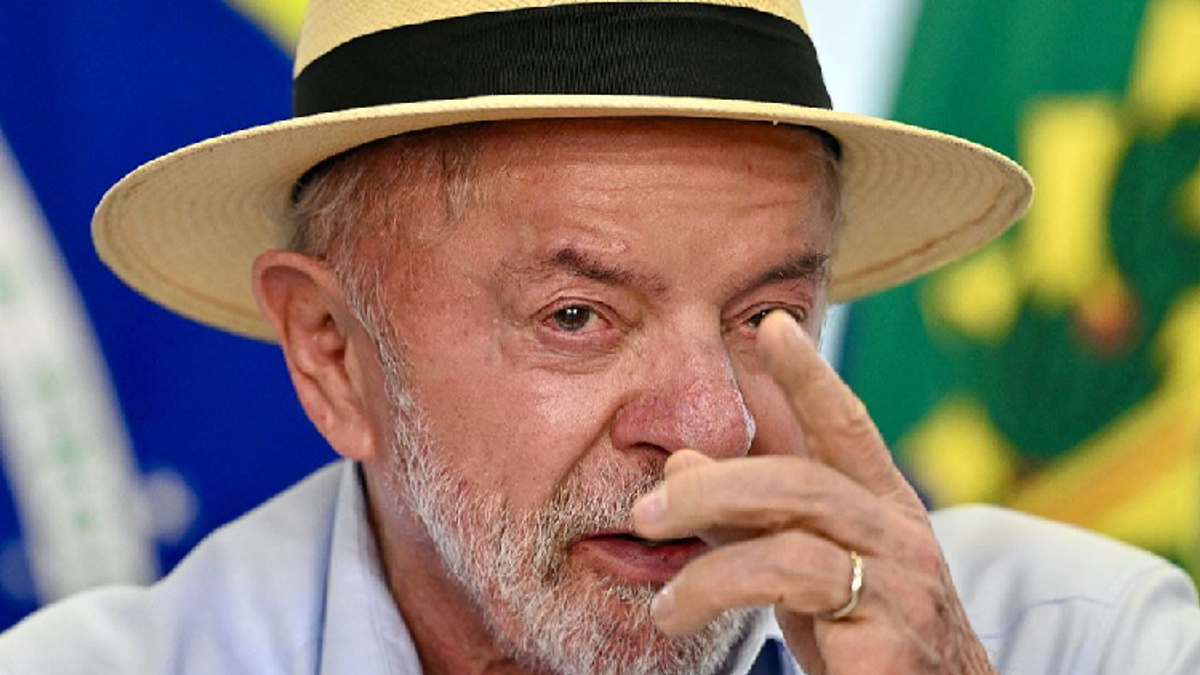
The United States recently revoked the visa of Brazil's ambassador to Washington, Maria Luiza Ribeiro Viotti, a move swiftly condemned by Brazilian President Luiz Inácio Lula da Silva. Lula labeled the decision "irresponsible and thoughtless," asserting that Brazil would not accept new ambassadorial appointments before its upcoming October general elections. This action follows Brazil's earlier refusal to grant visas to two US officials and alleged delays in approving the US ambassadorial nominee, Daniel Perez, creating a direct diplomatic standoff.
This incident is more than a bureaucratic spat; it's a public display of power and a test of diplomatic sovereignty. For the US, revoking an ambassador's visa is a significant escalation, signaling frustration with Brazil's perceived obstructionism and a desire to assert its diplomatic prerogative. It's a tactic designed to apply pressure, forcing a response and potentially a shift in Brazil's stance on visa approvals and diplomatic appointments. From Washington's perspective, this reasserts the expectation that diplomatic processes, even with allies, should adhere to its timelines and norms.
For Brazil, President Lula's strong reaction reflects a broader strategy to reposition Brazil on the global stage, asserting its independence from traditional US influence. Lula's administration has consistently sought to diversify Brazil's foreign policy, engaging more with the Global South and challenging what it views as hegemonic pressures. By pushing back publicly and refusing to accept new ambassadors, Lula is sending a clear message: Brazil will not be dictated to, and its diplomatic processes will operate on its own terms, not Washington's. This stance is crucial for Lula's domestic political survival, as it plays into a narrative of national pride and sovereignty, particularly appealing to a base wary of perceived US overreach. The mutual withholding of diplomatic appointments creates a vacuum, but for Brazil, it's a deliberate act of defiance, leveraging diplomatic protocol as a tool of statecraft.
While ambassadors and presidents exchange barbs, the immediate human cost of such diplomatic friction often falls on those who rely on smooth international relations for their livelihoods and connections. Businesses engaged in trade between the two largest economies in the Americas face increased uncertainty. Delays in high-level diplomatic appointments can slow down negotiations on trade agreements, investment deals, and regulatory harmonization, impacting supply chains and market access. For Brazilian agricultural exporters or US tech firms looking to expand in Latin America, a strained diplomatic environment translates into potential financial losses, delayed projects, and lost opportunities. Beyond economics, the broader chill in relations can affect cultural exchange programs, academic collaborations, and even the processing of ordinary visas for citizens, creating hurdles for students, tourists, and families seeking to travel or connect across borders. The grand gestures of statecraft often have quiet, ripple effects on everyday citizens and enterprises.
What is being downplayed by both sides is the deeper ideological and strategic divergence underpinning this diplomatic spat. The US frames its actions as a response to procedural delays, while Brazil emphasizes disrespect for its sovereignty. However, beneath these surface-level explanations lies a fundamental tension between Brazil's increasingly independent foreign policy under Lula and the US's traditional expectation of Latin American alignment. The US, particularly under a Trump administration, often views non-compliance with its diplomatic requests as a challenge to its regional leadership. Brazil, under Lula, is actively cultivating closer ties with China, Russia, and other non-Western powers, often adopting positions that diverge from Washington's on global issues. This visa dispute is not merely about two officials or an ambassadorial nominee; it's a symptom of a larger struggle over Brazil's foreign policy orientation and its role in a multipolar world. Both governments are careful to frame the issue as a matter of protocol, avoiding explicit acknowledgment of the broader geopolitical contest for influence that truly fuels such actions.
The immediate focus will be on Brazil's general elections in October. The outcome will significantly influence the trajectory of US-Brazil relations. Should Lula's party retain power, the current assertive stance is likely to continue, potentially prolonging the diplomatic freeze until the US adjusts its approach. Conversely, a change in leadership could usher in a more conciliatory period, though the underlying desire for Brazilian autonomy would likely persist. Beyond the elections, watch for any shifts in economic cooperation or military engagement. If diplomatic channels remain strained, both countries may seek to exert pressure through other means, such as trade tariffs or altered security partnerships. The true measure of this standoff's impact will be whether it remains confined to diplomatic personnel or if it spills over into broader economic and strategic domains, reshaping the balance of power in the Americas.
Source referenced: CGTN
This brief was synthesized by our Editorial Engine and reviewed by The Ground Narrative team.