TRENDING

Wednesday, 7 October 2026
----------------------
26 Rabi' Al-Thani 1448 AH
Brazil’s presidential race has entered a decisive second round, pitting incumbent Luiz Inácio Lula da Silva against right‑wing senator Flávio Bolsonaro. The outcome will reshape the country’s political landscape and affect millions of ordinary Brazilians.
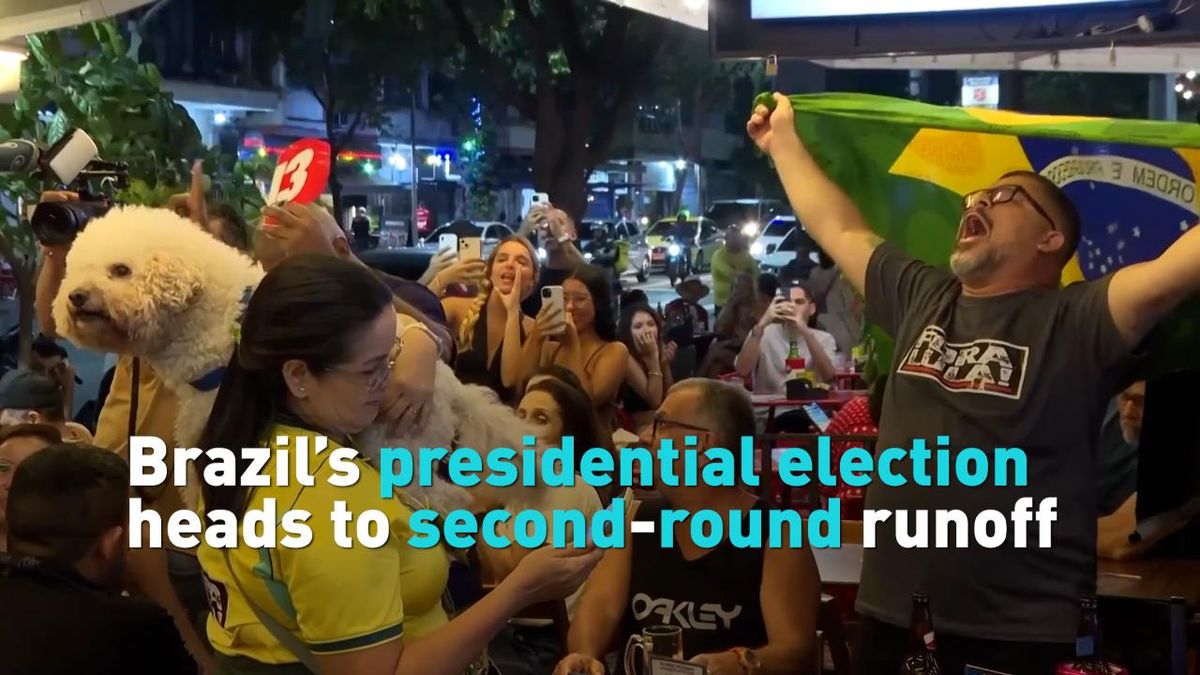
In the first round of Brazil’s 2026 presidential election, right‑wing senator Flávio Bolsonaro edged out incumbent Luiz Inácio Lula da Silva, forcing a runoff on October 25. The surprise lead reflects a broader shift: right‑leaning parties have gained seats in state legislatures and Congress, eroding the left’s dominance that began in 2022. Voter turnout was high, but the split vote highlighted deep polarization, with urban centers favoring Lula and rural, poorer regions leaning toward Bolsonaro’s law‑and‑order platform.
Brazil’s multiparty system forces presidential hopefuls to build sprawling coalitions. Lula’s Workers’ Party (PT) relies on a historic alliance with the Brazilian Democratic Movement (MDB) and left‑leaning regional parties. Bolsonaro, meanwhile, has stitched together a bloc of evangelical groups, agribusiness interests, and the newly formed Liberal Alliance. Both camps are scrambling for swing votes in the Senate, where a single seat can tip the balance on key legislation.
The Brazilian economy has been recovering unevenly after the pandemic‑induced recession. Agribusiness, which accounts for roughly 30% of exports, backs Bolsonaro’s promise of deregulation and lower taxes on landowners. Conversely, Lula’s platform emphasizes social spending, higher minimum wages, and renewed investment in public health—policies that appeal to urban workers but strain the federal budget. International investors watch these signals closely; a Bolsonaro victory could attract more foreign direct investment in commodities, while a Lula win may boost confidence in Brazil’s social market model.
Security concerns have surged with rising crime rates in major cities and a spate of illegal mining in the Amazon. Bolsonaro’s campaign leverages a narrative of a “strong hand” needed to restore order, courting the Brazilian Armed Forces and private security firms. Lula, however, promises to strengthen community policing and address the root causes of violence, a stance that risks alienating military leaders who have historically wielded political influence during Brazil’s past dictatorships.
Millions of informal workers—street vendors, gig‑economy drivers, and day‑labourers—depend on Lula’s promise of expanded social safety nets. A Bolsonaro win could see cuts to unemployment benefits and a rollback of pandemic‑era emergency aid, pushing these precarious earners deeper into poverty. In São Paulo’s sprawling favelas, families already face rising rent and food insecurity; policy shifts could trigger a wave of evictions and hunger.
Bolsonaro’s agribusiness allies champion expanded soy and cattle frontiers, often at the expense of Indigenous territories and smallholder farmers. The push for new highways and relaxed environmental enforcement threatens the livelihoods of Indigenous groups in the Amazon and the Cerrado. If Bolsonaro secures the presidency, these communities could face intensified land grabs, loss of cultural heritage, and heightened exposure to climate‑related shocks.
Lula’s administration has prioritized universal health coverage and increased funding for public schools. A shift toward Bolsonaro’s fiscal conservatism could stall the rollout of new clinics in underserved regions and freeze teacher salary reforms. The resulting gaps would disproportionately affect children in the Northeast, where education outcomes already lag behind national averages.
While campaign ads spotlight personal charisma, a network of agribusiness conglomerates, mining firms, and private banks is quietly financing Bolsonaro’s outreach. These donors receive favorable tax treatment and promises of regulatory leniency in exchange for political support. The scale of this financing is largely omitted from official statements, obscuring how economic power translates into electoral influence.
State‑aligned broadcasters have amplified Bolsonaro’s security narrative, often downplaying the systemic roots of crime. Simultaneously, left‑leaning outlets highlight Lula’s social achievements but rarely interrogate the fiscal sustainability of his programs. Both sides benefit from a media environment that sidesteps nuanced debate, leaving voters with polarized soundbites rather than a clear picture of policy trade‑offs.
Both candidates court foreign powers. Lula has sought closer ties with the European Union and China, emphasizing climate cooperation and technology transfer. Bolsonaro, however, leans toward the United States, courting defense contracts and pledging to align Brazil’s foreign policy with Washington’s agenda in the Indo‑Pacific. Diplomatic overtures are downplayed in domestic rhetoric, masking how external actors may sway Brazil’s strategic direction.
The runoff’s outcome will set the tone for Brazil’s next four years. Key indicators to monitor include: (1) campaign finance disclosures in the final week—any surge in corporate donations could signal behind‑the‑scenes power shifts; (2) security policy proposals from both camps, especially any promises of military involvement in policing; (3) environmental enforcement actions in the Amazon, which will reveal whether Bolsonaro’s deregulatory agenda gains traction; and (4) foreign investment flows, particularly from the United States and China, as they often pre‑empt policy changes. Observers should also watch how grassroots movements—workers’ unions, Indigenous coalitions, and urban protest groups—mobilize in the days leading up to October 25, because their capacity to shape public discourse may prove decisive.
Lula focuses on expanding social programs, public health, and education, while Bolsonaro emphasizes deregulation, tax cuts for agribusiness, and a hard‑line security approach.
Bolsonaro’s agenda favors agribusiness expansion, which could lead to increased land grabs, reduced environmental protections, and heightened threats to Indigenous territories.
The tight race pits a left‑wing incumbent against a right‑wing challenger with military backing, making the outcome a barometer for how Brazil balances democratic institutions with powerful economic and security interests.
Source referenced: CGTN
This brief was synthesized by our Editorial Engine and reviewed by The Ground Narrative team.