TRENDING

Friday, 23 October 2026
----------------------
12 Jumada Al-Awwal 1448 AH
Bolivian President Rodrigo Paz has authorized military force against protesters, escalating the country's economic crisis and raising concerns about democratic backsliding.
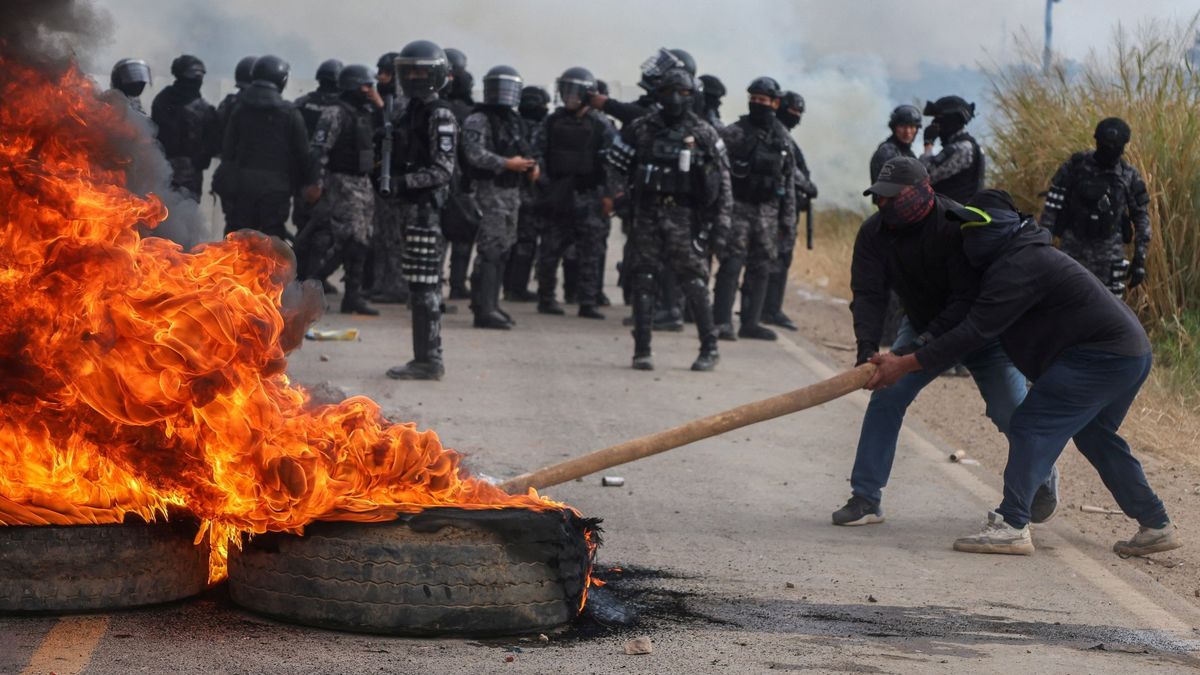
Bolivia's President Rodrigo Paz has taken a significant step towards authoritarianism by authorizing military force against nationwide protests. The move comes as the country grapples with its worst economic crisis in 40 years, with roadblocks paralyzing the nation and at least 10 people killed since the unrest began.
Bolivia has a history of democratic instability, with several coups and attempted coups since its transition to democracy in 1982. The current economic crisis, fueled by a decline in commodity prices and a severe drought, has exacerbated social tensions and created an environment conducive to authoritarianism.
President Paz's decision to deploy the military against protesters suggests a desire to maintain control and suppress dissent. This move may be aimed at appeasing the country's powerful business elite, who are likely to benefit from the government's efforts to restore order and stability.
Bolivia's actions have significant implications for the region. The country's neighbors, including Brazil, Argentina, and Chile, are likely to be concerned about the potential for democratic backsliding in Bolivia. The Organization of American States (OAS) and other regional organizations may need to intervene to prevent further escalation and promote a peaceful resolution to the crisis.
The deployment of military force against protesters may lead to further violence and human rights abuses. The international community, including the United States and the European Union, may impose sanctions on Bolivia if the government fails to respect human rights and democratic norms.
* President Rodrigo Paz: The Bolivian president has authorized military force against protesters, escalating the country's economic crisis.
* Protesters: Nationwide protests have paralyzed the nation, with at least 10 people killed since the unrest began.
* Business elite: The country's powerful business elite are likely to benefit from the government's efforts to restore order and stability.
* Military measures: President Paz has authorized military force against protesters, deploying troops to maintain control and suppress dissent.
* Nationwide protests: Protests have paralyzed the nation, with roadblocks and violence reported across the country.
* Economic crisis: Bolivia is experiencing its worst economic crisis in 40 years, fueled by a decline in commodity prices and a severe drought.
* June 10, 2026: President Paz authorized military force against protesters, escalating the country's economic crisis.
* Bolivia: The country is experiencing its worst economic crisis in 40 years, with nationwide protests and roadblocks reported across the country.
* Economic crisis: Bolivia's economic crisis, fueled by a decline in commodity prices and a severe drought, has created an environment conducive to authoritarianism.
* Authoritarianism: President Paz's decision to deploy the military against protesters suggests a desire to maintain control and suppress dissent.
* Military deployment: President Paz has authorized the deployment of troops to maintain control and suppress dissent.
* Economic measures: The government may implement economic measures to address the country's economic crisis, including austerity measures and privatization.
Bolivia's decision to deploy military force against protesters raises concerns about democratic backsliding and authoritarianism. The international community must intervene to prevent further escalation and promote a peaceful resolution to the crisis. The consequences of this move will be far-reaching, with implications for regional stability and global democracy.
Editor's Note: The analysis is based on available information and may be subject to change as new developments emerge.
Source referenced: ALJAZEERA
This brief was synthesized by our Editorial Engine and reviewed by The Ground Narrative team.