TRENDING

Monday, 5 October 2026
----------------------
24 Rabi' Al-Thani 1448 AH
Bangkok's reliance on volunteer ambulance crews highlights critical gaps in public services and urban governance, reflecting broader challenges faced by rapidly developing megacities in Southeast Asia. The informal system, while life-saving, is plagued by dangerous competition and territorial conflicts, raising concerns about public safety and state capacity.
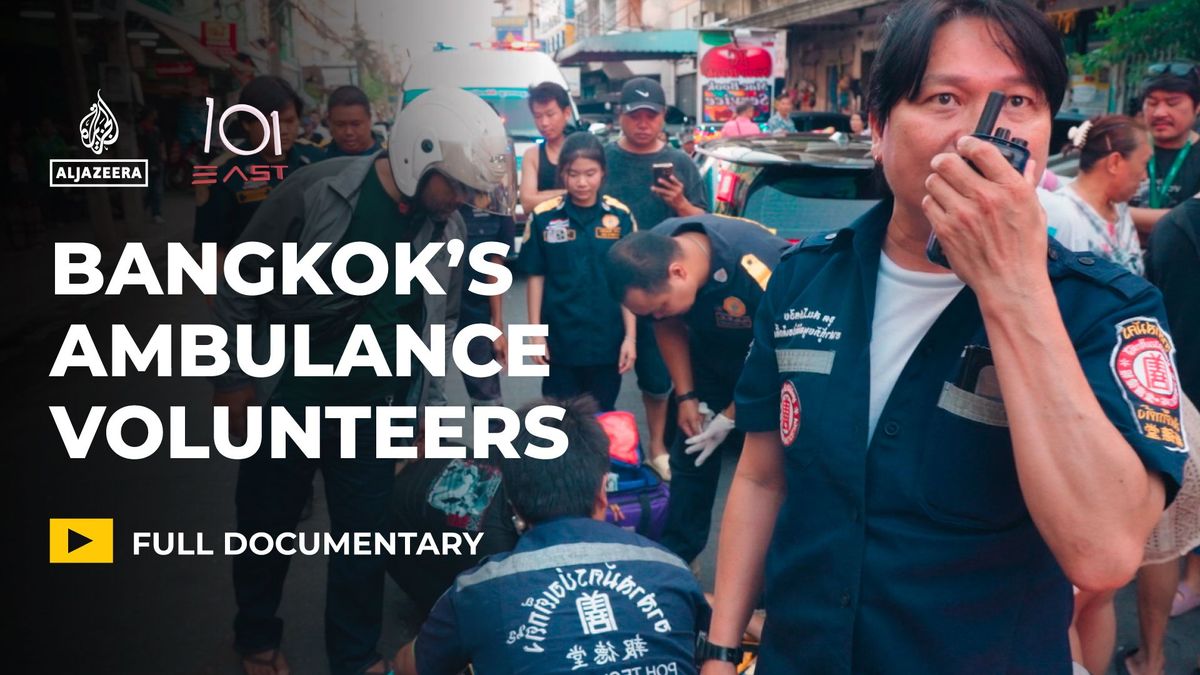
In Bangkok, Thailand, a critical public service gap is being filled by an informal network of thousands of volunteer ambulance crews. These dedicated responders, operating modified vans and pick-up trucks, race to accident scenes in a city grappling with one of the world's highest rates of road traffic fatalities. While their efforts are undeniably vital in saving lives, the system itself is fraught with peril, characterized by intense competition and, at times, deadly territorial conflicts among rival crews. This situation, highlighted in a recent Al Jazeera 101 East report, underscores significant challenges in urban governance, public health infrastructure, and state capacity within a major Southeast Asian capital.
The primary driver behind this reliance on volunteer services is a severe shortage of official, state-provided ambulances. As Bangkok has rapidly urbanized and expanded into a sprawling megacity, its public services, particularly emergency medical response, have struggled to keep pace with demand. This deficit forces citizens to depend on informal networks, a common phenomenon in many developing economies where state resources are stretched thin or misallocated. The volunteers, driven by a profound sense of civic duty and a desire to help strangers, step into this void, often at great personal risk.
However, the informal nature of this system introduces inherent dangers. The competition to be the first at an accident scene is not merely about speed; it can involve financial incentives, such as payments from victims' families or funeral homes, creating a perverse incentive structure that fuels rivalry. This competition can escalate into territorial disputes, sometimes with violent and even fatal outcomes, further endangering both the responders and the public they aim to serve. The lack of centralized coordination, standardized training, and regulatory oversight contributes to a chaotic environment where the very act of saving lives can become a high-stakes gamble.
While seemingly a localized public safety issue, Bangkok's ambulance crisis carries broader implications for Thailand's governance and regional standing. The capacity of a state to provide fundamental public services, such as emergency healthcare, is a key indicator of its overall governance effectiveness and stability. A persistent failure in this area can erode public trust, signal administrative inefficiencies, and potentially deter foreign investment or tourism, sectors crucial to Thailand's economy.
From a regional perspective, Bangkok's challenges are emblematic of those faced by many rapidly growing urban centers across Southeast Asia. Cities like Jakarta, Manila, and Ho Chi Minh City also contend with burgeoning populations, infrastructure deficits, and the struggle to deliver adequate public services. The Thai experience offers a case study in how informal solutions emerge to fill state-capacity gaps, and the subsequent complexities and dangers these solutions can introduce. It highlights the urgent need for robust urban planning, significant investment in public health infrastructure, and effective regulatory frameworks to manage such critical services.
Addressing this multifaceted problem requires a comprehensive approach. Firstly, the Thai government must prioritize substantial investment in its official emergency medical services, increasing the number of ambulances, trained paramedics, and dispatch centers. Secondly, there is a critical need for regulation and integration of the existing volunteer networks. This could involve providing formal training, standardized equipment, clear operational protocols, and a centralized dispatch system that coordinates both official and volunteer responders, thereby reducing dangerous competition and improving overall efficiency.
Furthermore, public awareness campaigns about road safety are essential to reduce the high incidence of traffic accidents, thereby lessening the burden on emergency services. Ultimately, the situation in Bangkok serves as a stark reminder that while volunteerism can be a powerful force for good, it cannot be a sustainable substitute for well-funded, well-regulated, and comprehensive state-provided public services. The long-term stability and prosperity of a nation, particularly one as strategically important as Thailand in Southeast Asia, depend significantly on its ability to ensure the safety and well-being of its citizens through effective governance and robust public infrastructure.
Editor's Note: While primarily a domestic public service issue, this analysis frames the situation within the broader context of state capacity, urban governance challenges in rapidly developing megacities, and their indirect implications for national stability and regional development, aligning with geopolitical analysis principles.
Source referenced: ALJAZEERA
This brief was synthesized by our Editorial Engine and reviewed by The Ground Narrative team.


