TRENDING

Monday, 5 October 2026
----------------------
24 Rabi' Al-Thani 1448 AH
Armenia's nascent drag scene, facing significant societal pushback, serves as a microcosm of the nation's broader geopolitical reorientation towards the European Union and away from Russia. This cultural defiance highlights the internal tensions arising from a conservative society grappling with external liberal influences and the impact of a large influx of Russian refugees.
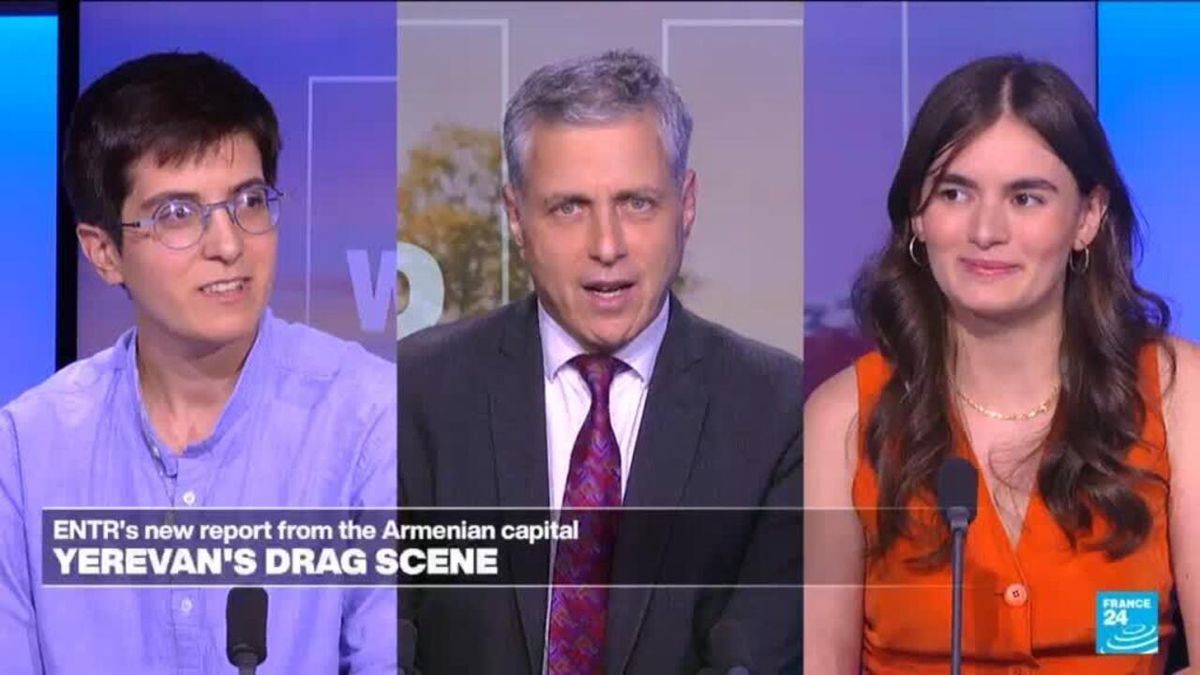
Armenia, strategically positioned at the nexus of Europe, Asia, and the Middle East, is undergoing a profound geopolitical and societal transformation. While the nation has historically maintained strong ties with Russia, a discernible shift towards strengthening relations with the European Union is reshaping its political landscape. This strategic reorientation is not merely confined to diplomatic agreements and economic partnerships; it is increasingly manifesting in the country's social fabric, challenging long-held conservative norms and fostering new cultural expressions. The emergence and resilience of Armenia's underground drag scene, despite facing significant societal and institutional pushback, offers a compelling lens through which to examine these complex internal and external dynamics.
For decades, Armenia's foreign policy and cultural orientation were heavily influenced by its alliance with Russia, a relationship often characterized by shared historical ties and security cooperation. However, recent years have seen Yerevan actively pursue closer integration with the European Union, signaling a strategic pivot that carries significant implications for its national identity and values. This shift is particularly evident in the social sphere, where traditional conservative Christian values, deeply ingrained in Armenian society, are encountering more liberal influences associated with European integration. The drag scene, though a niche microculture, embodies this clash. Performers and their community face threats of violence, social stigma, police pressure, and familial rejection, underscoring the deep-seated resistance to expressions that challenge conventional gender norms and societal expectations. This pushback reflects the anxieties within a conservative society as it navigates rapid change and external influences.
Adding another layer of complexity to this evolving landscape is the substantial influx of tens of thousands of Russians who have sought refuge in Armenia, fleeing the war in Ukraine. This demographic shift, occurring since 2022, has inadvertently become a catalyst for societal change. These new residents, often bringing with them different cultural perspectives and a greater exposure to diverse social norms, are contributing to the reshaping of Armenian society in unexpected ways. Their presence, alongside the broader European integration agenda, introduces new ideas and challenges existing social structures, potentially accelerating the pace of cultural evolution and further highlighting the divide between traditionalists and those embracing more liberal viewpoints. The vibrant, albeit underground, drag community in Yerevan, attracting both local Armenians and international crowds, serves as a testament to this evolving social dynamism, demonstrating a determined microculture challenging ultraconservative norms.
The interplay between Armenia's geopolitical pivot, the influx of Russian refugees, and the internal social dynamics represented by its defiant drag scene carries significant implications for the nation's future. The strengthening of ties with the EU, as evidenced by new partnership deals and bilateral summits, suggests a long-term commitment to aligning with European values and institutions. This alignment, while offering potential economic and security benefits, also necessitates a reckoning with social issues that may challenge deeply held cultural and religious beliefs. The internal struggle over social norms, symbolized by the pushback against the drag community, is therefore not merely a domestic issue but a reflection of Armenia's broader strategic choices and its positioning in the global arena.
As Armenia continues to distance itself from Moscow and embrace a more European trajectory, its internal societal evolution will be a critical factor in defining its identity and its standing in the South Caucasus. The ability of Armenian society to adapt to new influences while preserving its unique heritage will be crucial. The ongoing cultural dialogue, however contentious, is an integral part of this process, shaping the nation's future trajectory and its role as a bridge between East and West. The resilience of its avant-garde cultural scenes, despite adversity, signals a society in flux, actively negotiating its path forward amidst significant geopolitical shifts.
Source referenced: FRANCE24
This brief was synthesized by our Editorial Engine and reviewed by The Ground Narrative team.


