TRENDING

Sunday, 20 September 2026
----------------------
9 Rabi' Al-Thani 1448 AH
Israeli airstrikes in southern Lebanon hit an ambulance crew after striking the city of Nabatieh, underscoring how the conflict’s power play endangers civilian responders and deepens the humanitarian crisis.
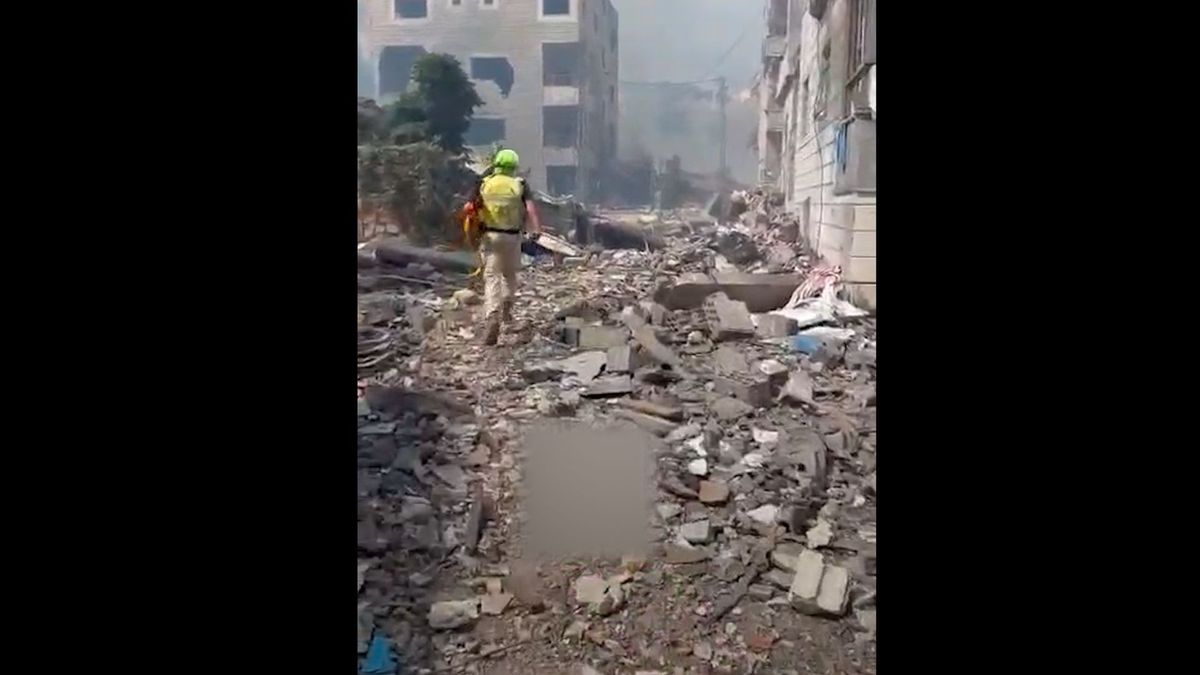
Two Israeli airstrikes slammed into Nabatieh, a southern Lebanese city, on 19 September 2026. A third strike, minutes later, hit an ambulance team that had rushed to the scene, killing paramedics and further injuring civilians. The war, which began on 2 March, has already claimed more than 4,300 lives and left over 12,000 wounded.
Israel’s targeting of medical responders fits a broader calculus of pressure. By striking an ambulance, the Israeli military signals that any aid—whether humanitarian or logistical—can be treated as a legitimate extension of Hezbollah’s infrastructure. The move also serves domestic political needs: Israeli leaders can claim decisive action against a foe they portray as a terrorist network, while deflecting criticism over civilian casualties in Gaza. For Hezbollah, the attacks reinforce its narrative of resistance, rallying local support and justifying continued armed engagement. Regional actors, notably Iran, watch closely, as any escalation could trigger a wider proxy confrontation.
The immediate victims are the paramedics—trained professionals who risk their lives to extract the wounded. Their loss reverberates through the fragile health system of southern Lebanon, already strained by months of shelling and shortages of medicine. Families of the dead face not only grief but also loss of income, as many paramedics are primary breadwinners. Schools in Nabatieh report declining attendance; children fear venturing outside, fearing that even a call for help could draw fire. The broader Lebanese economy, already burdened by a currency collapse, now absorbs the cost of rebuilding damaged ambulances and medical facilities, diverting scarce resources from other essential services.
Official Israeli statements frame the strike as a “necessary” measure against a “military target,” sidestepping the humanitarian dimension. International bodies have yet to issue a coordinated condemnation, partly because the focus remains on the Gaza front, where civilian casualties dominate headlines. Meanwhile, Hezbollah’s propaganda emphasizes the martyrdom of the paramedics, but downplays its own role in provoking Israeli retaliation through rocket fire. The media silence on the ambulance attack allows both sides to maintain narratives that obscure the civilian cost and the legal gray area surrounding attacks on medical personnel under international law.
Watch for diplomatic pressure from the United Nations and the European Union on Israel to adhere to the Geneva Conventions regarding medical neutrality. Lebanon’s government may seek to formalize protection for emergency responders, potentially invoking UN resolutions to demand accountability. On the ground, Hezbollah could respond with intensified rocket barrages, risking further civilian exposure. Finally, the incident may influence public opinion in Israel, where war fatigue could translate into political shifts ahead of upcoming elections. Monitoring these threads will reveal whether the targeting of ambulances becomes a flashpoint or a footnote in a protracted conflict.
Source referenced: ALJAZEERA
This brief was synthesized by our Editorial Engine and reviewed by The Ground Narrative team.


