TRENDING

Saturday, 3 October 2026
----------------------
22 Rabi' Al-Thani 1448 AH
As El Nino looms, Africa faces a perfect storm of climate-related disasters, conflict, and migration, threatening the lives and livelihoods of millions. Can the continent's governments and aid agencies act quickly enough to mitigate the effects of this natural phenomenon?
Africa is bracing itself for the return of El Nino, a naturally occurring warming of sea-surface temperatures in the central and eastern Pacific Ocean. This phenomenon, which occurs every two to seven years, can bring hotter and drier conditions to some regions, while increasing rainfall and flooding in others. For Africa, El Nino is not a single climate story, but a complex and varied impact that will affect different countries and regions in different ways.
Southern Africa has experienced hotter and drier conditions during previous El Nino events, raising the risk of drought, water shortages, and general food insecurity. Countries such as Mozambique, Malawi, Zimbabwe, and Madagascar have repeatedly been affected by drought and cyclones in recent years. Madagascar, for example, is hit by cyclones almost every year, while Mozambique has faced never-before-seen strength cyclones in recent years.
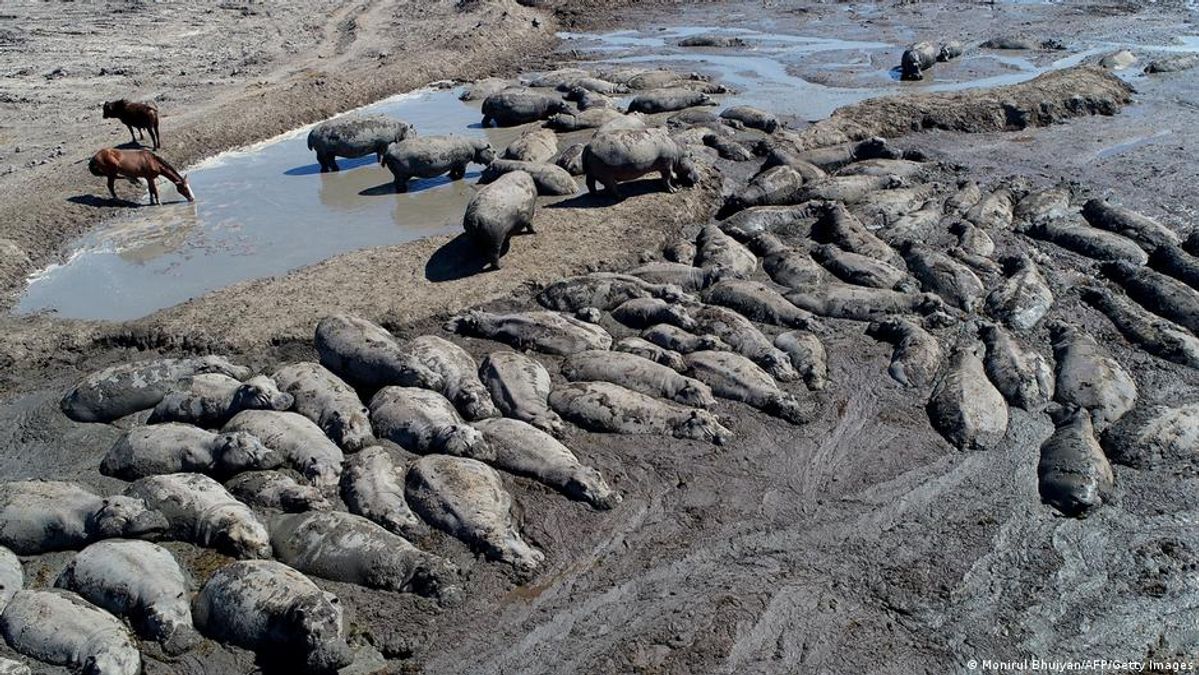
Eastern Africa, on the other hand, is more complex, with El Nino having different effects depending on the season. In some areas, El Nino can bring drier conditions, increasing the risk of drought and wildfire occurrence, while in others, it can increase rainfall and flooding. The situation in Kenya, for example, is particularly worrying, with the country experiencing a prolonged drought in northern Botswana, affecting people and wildlife alike.
Climate change is not directly causing El Nino, but it is making its effects more severe. With warmer baseline temperatures of around 1.4 degrees higher than pre-industrial levels, the impacts of El Nino are more extreme. The concern is not just El Nino, but that it is occurring at a time when the global system is already quite fragile. Many vulnerable populations are living in regions that are highly impacted by import costs, high debt, and climate-related disasters.
Climate-related events are already forcing people to leave their homes, with cyclones and flooding being the biggest pushers of mass displacement in Africa. Drought has also been a significant driver of displacement, although it tends to do so more slowly. Cities are increasingly having to absorb climate-linked migration, even as they struggle with wide-ranging issues like housing, public services, and informal employment.
Some countries have made progress in being better prepared, with early warning systems and climate literacy in coastal communities. However, these systems must be matched by funds that are available before disasters escalate. Delays in releasing funds can make the disaster worse, and it is essential that governments and aid agencies act quickly enough to mitigate the effects of El Nino.
Africa's El Nino dilemma is a perfect storm of climate, conflict, and migration, threatening the lives and livelihoods of millions. The continent's governments and aid agencies must act quickly enough to mitigate the effects of this natural phenomenon. This requires a coordinated effort, with early warning mechanisms, climate literacy, and funds available before disasters escalate. The future of Africa's climate resilience depends on it.
Editor's Note: The analysis is based on the available data and expert opinions, but the future consequences of El Nino are uncertain and may vary depending on various factors.
Source referenced: DW
This brief was synthesized by our Editorial Engine and reviewed by The Ground Narrative team.