TRENDING

Monday, 5 October 2026
----------------------
24 Rabi' Al-Thani 1448 AH
The International Criminal Court faces criticism and withdrawals from African nations, sparking concerns over the court's effectiveness and impartiality. As global powers exert pressure, African countries are forced to navigate the complexities of international justice.
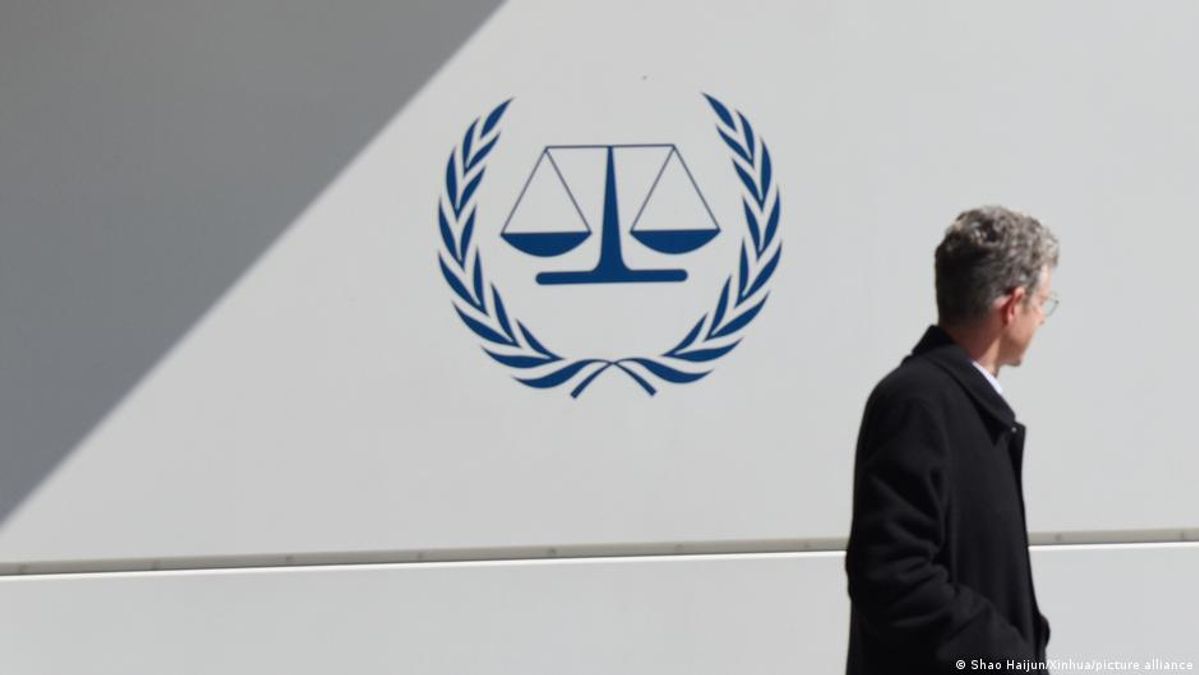
The International Criminal Court (ICC) has faced intense criticism from African nations, with several countries announcing their withdrawal from the court. Chad, Mali, Burkina Faso, and Niger have all initiated their withdrawal, citing the court's limited and unbalanced effectiveness. This wave of withdrawals has sparked concerns over the court's ability to deliver justice and its perceived bias against African nations.
The ICC's effectiveness is heavily influenced by the political will of its member states. The court's principle of complementarity allows it to take action only when states are unwilling or unable to prosecute crimes themselves. However, the fact that there have been no significant proceedings against individuals from powerful states or Western countries has contributed to the court's perceived bias. The US, in particular, has openly declared its intention to dissolve the ICC and has exerted unprecedented pressure on the court and its supporters.
The withdrawals from the ICC have significant implications for the human rights of victims in the affected countries. The ICC provides an external mechanism for accountability when domestic judicial systems lack the independence or political will to prosecute political or military officials. Without the ICC, victims of war crimes, genocide, and crimes against humanity may be left without access to justice. The human cost of these withdrawals is particularly concerning in countries such as the Democratic Republic of Congo, where the ICC has been investigating massacres of civilians.
A critical aspect of the ICC's criticism is the perception of selective justice. African governments argue that the court targets African nations disproportionately, while ignoring crimes committed by powerful states or Western countries. This perception is fueled by the fact that the ICC has issued arrest warrants for individuals from non-member states, such as Vladimir Putin and Benjamin Netanyahu, but has not pursued cases against individuals from powerful member states. The US, in particular, has used its influence to shield its citizens from ICC prosecution.
As the ICC faces increasing pressure and criticism, it is essential to watch for the court's response to these challenges. The ICC's ability to adapt and demonstrate its impartiality will be crucial in maintaining the trust of its member states. Additionally, the actions of African nations will be closely watched, as they navigate the complexities of international justice and balance their commitment to human rights with the pressure from global powers. The next turning points will be the official withdrawal of the four Sahel region states and the ICC's efforts to address the concerns of its member states and demonstrate its effectiveness in delivering justice.
Editor's Note: The analysis is based on publicly available information and may not reflect the full complexity of the situation.
Source referenced: DW
This brief was synthesized by our Editorial Engine and reviewed by The Ground Narrative team.


