TRENDING

Monday, 5 October 2026
----------------------
24 Rabi' Al-Thani 1448 AH
About 2.4 million Afghan girls are denied access to secondary education, with the number expected to grow to four million by 2030. The Taliban's restrictions on female education have severe implications for the country's future.
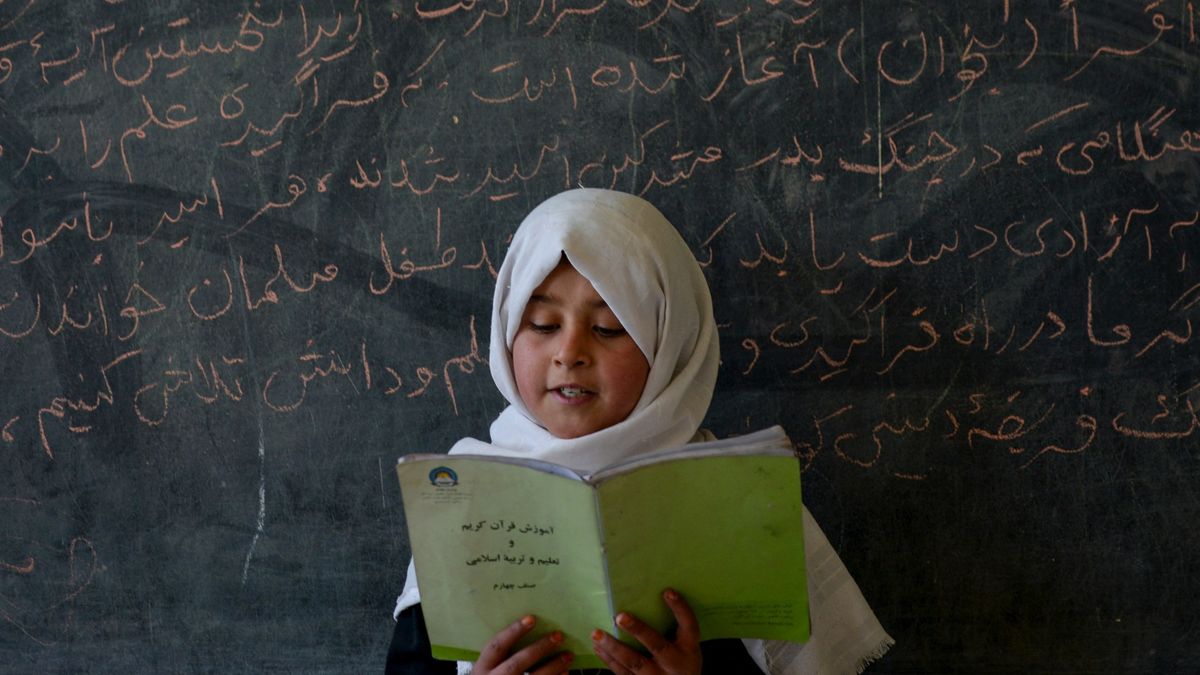
The United Nations cultural agency, UNESCO, has reported that approximately 2.4 million girls in Afghanistan are barred from attending secondary school. This number has increased by 200,000 since last year and is projected to reach four million by 2030. The Taliban government's restrictions on female education have been in place since March 2022, when girls were shut out of secondary schools, and December 2022, when women were barred from universities.
The Taliban's decision to restrict female education is a deliberate attempt to exert control over the population and maintain their ideological grip on the country. By denying girls and women access to education, the Taliban is limiting their potential to participate in the economy, politics, and society, thereby perpetuating their subjugation. The international community, including several Muslim-majority governments, has called on the Taliban to lift the ban, but the Taliban has rejected these appeals, claiming it is an internal matter.
The consequences of the Taliban's restrictions on female education are devastating. Not only are girls and women being denied their right to education, but the entire education system is also suffering. The ban on women teaching boys has resulted in a shortage of qualified teachers, with the UN projecting a shortfall of over 11,000 female teachers by 2030. This has led to untrained male teachers being assigned to classes, further compromising the quality of education. The human cost is not limited to the education sector; it also has far-reaching implications for the country's economy and development.
What the Taliban and other powerful actors are downplaying is the long-term damage that these restrictions will have on Afghanistan's future. By denying girls and women access to education, the Taliban is undermining the country's potential for economic growth and perpetuating poverty. The international community is also failing to hold the Taliban accountable for their actions, despite the overwhelming evidence of the harm caused by these restrictions. The silence of Muslim-majority governments on this issue is particularly concerning, as it emboldens the Taliban to continue their repressive policies.
Readers should watch for increased international pressure on the Taliban to lift the ban on female education. The upcoming UN General Assembly may provide an opportunity for the international community to condemn the Taliban's actions and call for immediate action to address the crisis. Additionally, regional players, such as Pakistan and Iran, may play a crucial role in influencing the Taliban's decision-making. As the situation continues to deteriorate, it is essential to monitor the humanitarian situation and advocate for the rights of Afghan girls and women to access education.
Editor's Note: The analysis is based on publicly available data and reports from reputable sources, including UNESCO and the UN. However, the situation on the ground is subject to change, and the accuracy of the information may be affected by various factors, including access restrictions and limited reporting.
Source referenced: ALJAZEERA
This brief was synthesized by our Editorial Engine and reviewed by The Ground Narrative team.


